 Add Row
  Add
Add 


Did you know that 34% of burglars enter through the front door, and nearly 1 in 5 home security systems are set up incorrectly, making homes more vulnerable than homeowners expect? This means your current home security systems setup might not be as foolproof as you think. In this guide, we’ll uncover the surprising ways your alarm system could be letting you down, and give you the tools and insights to build a smarter, safer home. Get ready to learn the latest, compare top brands, and avoid critical missteps that put your loved ones at risk.
Startling Facts About Home Security Systems Vulnerabilities
"Did you know that 34% of burglars enter through the front door, and nearly 1 in 5 home security systems are set up incorrectly, making homes more vulnerable than homeowners expect?"
Research consistently shows that security systems can dramatically reduce your risk of break-ins—but only if they’re integrated and maintained correctly. Unfortunately, many home security setups fall short due to improper installation, outdated technology, or lack of professional monitoring. With technological advances from leading brands like Ring Alarm and security cameras with motion sensor integration, you’d expect every system to be impenetrable. However, the reality is that common oversights—like forgotten window sensors or poorly placed motion detectors—leave millions of homes exposed to unnecessary risk.
It’s easy to believe that a simple alarm system or a smart home device with Alexa and Google assistant connectivity will cover all your bases. But in practice, relying solely on basic security cameras or video doorbells, without comprehensive coverage or professional monitoring plans, can create dangerous blind spots. Understanding these vulnerabilities—and how to fix them—is the first step toward a security system that genuinely keeps your family safe.

Comprehensive Guide to Home Security Systems Features and Benefits
Modern home security systems go far beyond basic alarms and door locks. Today’s top solutions integrate security cameras , video doorbells, glass break sensors, and sophisticated motion sensor technology to detect and respond to threats in real-time. Leading providers now offer smart home integration, allowing homeowners to monitor activities, review alerts, and control settings from anywhere through a mobile app or voice commands using Alexa and Google Assistant. This convergence of technology offers not only convenience but a comprehensive defense against intruders and emergencies.
However, not all security system setups provide equal protection. Key differences include the quality of professional monitoring plans, available automation features, and compatibility with other smart home devices. Brands like ADT, SimpliSafe, and Ring Alarm each bring unique strengths to the table—from advanced base stations and motion detectors to intuitive mobile apps and affordable monitoring plans. Knowing what features to prioritize can mean the difference between robust protection and worrying gaps in your home’s security.
- Understand the key elements that make up modern home security systems
- Discover how professional monitoring and smart home integration redefine home security
- Compare leading brands and technologies for optimal protection
- Learn about essential components such as security cameras, motion sensors, and base stations
- Avoid costly mistakes by identifying common security system setup errors

Home Security vs. Security System: Defining the Scope
The terms home security and security system are often used interchangeably, but they refer to different layers of protection. Home security covers the overall strategy to keep your property, valuables, and loved ones safe—encompassing everything from window locks to neighborhood watch programs. A security system , on the other hand, describes the connected set of devices that detect, alert, and sometimes respond to security threats, including alarm systems, cameras, sensors, and monitoring services.
While installing a standalone device like a video doorbell or motion detector adds value, the most effective solutions are comprehensive, integrating multiple features and technologies. Choosing well between DIY, professional installation, and smart home options—and understanding the pros and cons—ensures your security investment truly matches your needs and risk level.
Types of Home Security Systems (DIY, Professionally Installed, Smart Home)
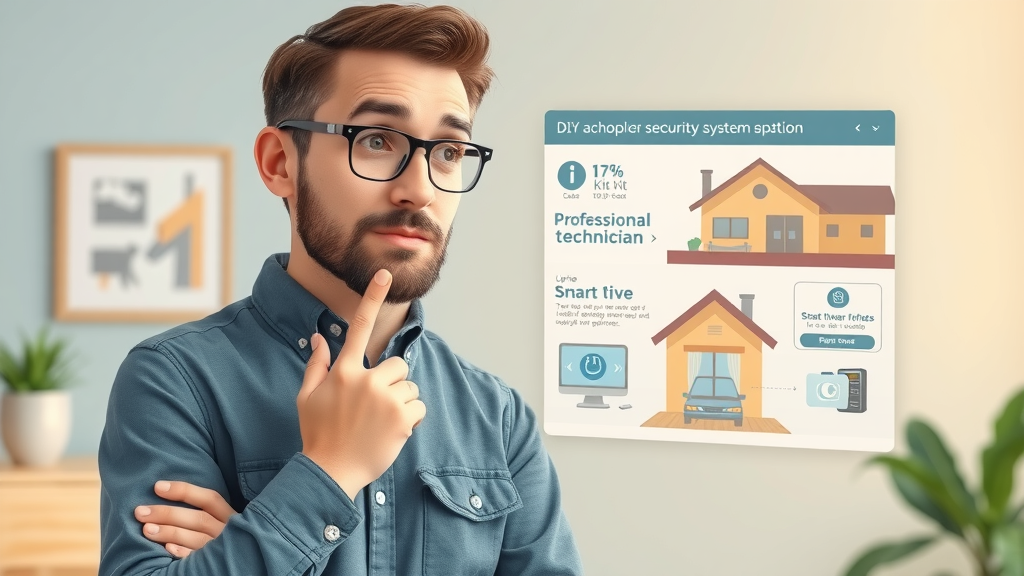
Homeowners now have three main choices when it comes to home security systems :
- DIY Systems – Fast to install with customizable kits, these let you tailor your protection to suit your layout. Leading brands offer wireless motion sensors, cameras, and smart home compatibility.
- Professionally Installed Systems – These include comprehensive site assessments and optimal placement of every motion detector, glass break sensor, and alarm system. They frequently offer dedicated professional monitoring plans.
- Smart Home Security Setups – These integrate security features with your existing smart home technology. You can manage everything using Alexa, Google Assistant, or phone apps for swift convenience and automation.
Comparing Home Security Systems to Standalone Security System Products
Standalone products such as a solitary security camera, an outdoor cam, or a video doorbell cover specific entry points but may leave gaps elsewhere. Full security systems , however, tie these components together via a central base station, ensuring seamless integration and unified alerts. While an individual glass break sensor or motion detector may be useful, a coordinated setup boosts both detection accuracy and emergency response times.
It's not just about adding devices, but about how they work together. A professionally installed alarm system often provides automatic alerts, professional monitoring options, and remote system management—features rarely matched by DIY standalone gadgets. Below is a comparative table outlining the differences:
| Feature | Comprehensive Home Security System | Standalone Security System Product |
|---|---|---|
| Alert Integration | Centralized (base station) | Device-specific |
| Professional Monitoring | Available | Rarely available |
| System Automation | Full automation with smart home compatibility | Limited or none |
| Coverage | Complete home (all entries, rooms, zones) | Single area/device |
| Mobile App Control | Unified control of all devices | Device-dependent (often multiple apps) |
Essential Home Security System Components and How They Work
Every robust home security system relies on critical hardware elements: security cameras, video doorbells, motion sensors, glass break sensors, and a central base station. Proper integration and placement ensure real-time detection and instant alerts to both homeowners and professional monitoring centers. These pieces form the backbone of modern alarm system solutions, and their performance is critical whether you choose DIY, professional installation, or a smart home system.
Up-to-date systems further support battery backup and advanced mobile controls, giving you peace of mind even during power outages or Wi-Fi interruptions. By understanding how each device functions—and how they work together—you can tailor a security system that meets your unique risk profile and lifestyle, ensuring comprehensive protection from both internal and external threats.
The Role of Security Cameras and Video Doorbells in Home Security
Security cameras and video doorbells serve as the eyes and ears of your home security setup. They not only monitor vulnerable entry points but offer 24/7 cloud or local video storage for real-time and retrospective review. Modern video doorbells allow homeowners to see, speak to, and record visitors—even when they’re away—while outdoor cams provide broad coverage of driveways, backyards, and other commonly targeted areas. Integration with a base station ensures all activity is logged, and alerts are instantly sent to your mobile device or professional monitoring center.
Key features to look for include HD resolution, night vision, wide-angle lenses, and motion detection settings tuned to minimize false alerts. For best results, choose systems compatible with Alexa and Google Assistant for quick voice-activated monitoring. When paired with professional monitoring, these devices become not just deterrents, but essential tools for evidence gathering and rapid emergency response.

Why Professional Monitoring Makes a Difference in Security Systems
Professional monitoring adds a powerful layer of protection to your home security system . Instead of relying solely on app notifications or audible alarms, your system is connected to a dedicated monitoring center that responds to alerts in real time—contacting you, dispatching emergency services, and ensuring rapid intervention. This can be crucial during power outages or when you’re unable to check your phone yourself.
Leading systems, like Ring Alarm and ADT, offer flexible monitoring plans that cover everything from burglary and fire to medical emergencies. With features such as battery backup and cellular connectivity, your alarm system stays operational during Wi-Fi disruptions. The added peace of mind—knowing a professional is always evaluating your security feed—makes this an investment worth considering.
Smart Home Integration: Elevating Your Home Security System with Alexa, Google Assistant
Smart home integration is now a defining feature of leading security systems . By linking your alarm system to platforms like Alexa and Google Assistant, you can control devices using simple voice commands. Adjust your cameras, arm or disarm your base station, check sensor status, or even stream video doorbell feeds to a smart display. This not only makes managing your system more convenient but ensures a quicker response—especially in emergencies or for family members who aren’t tech-savvy.
Smart home security also enables powerful automation capabilities. For example, routines can be set so that motion detected by outdoor cameras triggers floodlights, notifies you via app, and locks smart entry doors. The synergy between smart home and security systems reduces manual steps and enhances overall protection.
Vulnerabilities in Home Security Systems Setups
Even the best technology can fail if not implemented correctly. Many home security systems are compromised by common installation errors, reliance on outdated equipment, or a lack of dedicated professional monitoring. Understanding these pitfalls is crucial to maximizing the effectiveness of your investment.
Some vulnerabilities arise from simple oversights: poorly placed motion sensors, unprotected windows, and neglected device maintenance. Others develop over time, such as firmware becoming outdated or equipment wearing down. The cost of ignoring these risks is high—potentially leaving your home exposed right when you need protection most.
Common Installation Errors that Put Homeowners at Risk
Improper placement of motion detectors and sensors is a frequent cause of reduced system reliability. Positioning a sensor too high or low, or having obstructions in its field of view, can render it ineffective. Similarly, failing to properly connect all doors and windows to the system may create entry points that go undetected during a break-in. Even minor mistakes—like failing to test a base station’s connectivity or not securing wires—can provide burglars with the opportunity they need.
DIY installations, though increasingly popular, result in higher rates of user error compared to professional installation. Neglecting regular system maintenance or skipping crucial software updates increases the risk of malfunction or missed alerts. To avoid these issues, always follow manufacturer guidelines, run routine tests, and consider professional audits if unsure.
Outdated Equipment: The Hidden Risks in Home Security
Outdated alarm systems and security components may not support the latest technology or protocols, leaving your home vulnerable to modern threats. Older devices often lack two-way voice communication, remote mobile control, and may not be compatible with current monitoring plans or smart home platforms. Limited detection range, slower response times, and lack of integration all diminish your security system’s effectiveness versus more advanced solutions.
Routine replacement and upgrades are essential to shield against new attack methods and to benefit from innovations like battery backup, automated emergency response, and cutting-edge surveillance. Before upgrading, verify your devices are compatible with popular options like Alexa and Google Assistant to future-proof your setup.
Lack of Professional Monitoring and Its Consequences
The absence of professional monitoring leaves the responsibility for emergency response on the homeowner—a potentially dangerous gap if alerts are missed, devices malfunction, or the owner is unreachable. Without a monitoring plan, break-ins, fires, or medical emergencies may go unaddressed until it’s too late. Even the best security cameras and sensors can’t substitute for a human or AI-backed monitoring center that can assess and dispatch help 24/7.
If cost is a concern, many companies now offer flexible monitoring plans—ranging from self-monitoring with instant push notifications to fully managed professional monitoring with direct dispatch services. The additional security and peace of mind often outweigh the relatively modest expense.
"Even the most advanced home security system can fall short if not installed or maintained properly. Professional monitoring is a game-changer in emergency responsiveness."
Top Home Security Systems in 2024: Features, Prices, and Reviews
Choosing the best home security system depends on several factors: ease of use, integration, available features, and price. In 2024, brands like Ring Alarm, ADT, and SimpliSafe are leading the market with a range of offerings designed to fit every home and budget. Each provides different pros and cons, and comparing user experiences can make your buying decision much easier.
Critical differences to consider include the type of professional monitoring (if available), compatibility with smart home ecosystems like Alexa and Google Assistant, and the reliability of customer support. Upgrades such as advanced glass break sensors, dedicated outdoor cams, and mobile app controls are now standard on top systems. Below, we spotlight the top players and how they stack up.
Ring Alarm: User Reviews, Key Features, and Professional Monitoring
Ring Alarm has become a highly popular choice due to its robust DIY installation, wireless components, and intuitive mobile app integration. The system offers a strong selection of security cameras, video doorbells, and motion sensors, all managed via a single base station. Noteworthy is the seamless smart home compatibility, working smoothly with both Alexa and Google Assistant for hands-free arming and check-ins.
Professional monitoring is available for a modest monthly fee, giving homeowners the comfort of 24/7 coverage. User reviews highlight its quick setup, affordability, and responsive notifications. However, some users note limitations in device compatibility and in the range of its monitoring service compared to more traditional systems.
ADT, SimpliSafe & Other Market Leaders: Comparing Security Systems Performance
ADT remains the gold standard for professional installation and monitoring—boasting decades of experience, a wide product range, and premium customer support. SimpliSafe targets tech-savvy users, offering customizable kits, pace-setting mobile apps, and a subscription-based monitoring service. Both brands support integration with outdoor cameras, video doorbells, glass break sensors, and base stations that serve as the control hub for every connected device.
Other market leaders, such as Vivint and Abode, are pushing the envelope with high-end automation and deep smart home integrations. Their advanced systems provide clear upgrade paths, ensuring you can scale protection as your needs change over time.
Pros and Cons of Top Home Security System Brands in 2024
Every home security system has its highs and lows. Ring Alarm delivers excellent value, a broad selection of motion detectors, and rock-solid app control. However, some customers report occasional Wi-Fi drops and a lack of advanced features like glass break detection unless you buy add-ons. SimpliSafe is also praised for ease of use and flexible monitoring plans, but some models may lack deep integration with 3rd party smart home tools. ADT excels at comprehensive coverage and emergency response times, though it can require lengthy contracts and higher upfront costs compared with its DIY counterparts.
| System | Smart Home Compatibility | Monitoring Type | Key Features | Monthly Cost |
|---|---|---|---|---|
| Ring Alarm | Alexa, Google Assistant | Self or Professional | Video doorbell, Cameras, App Control | $10 – $20 |
| ADT | Smart Home Ecosystems | Professional | Full Installation, 24/7 Monitoring | $30 – $60 |
| SimpliSafe | Alexa, Google Assistant | Self or Professional | Easy DIY Kits, Custom Alerts | $15 – $27 |
Critical Home Security Devices: Cameras, Motion Sensors, Glass Break, and More
A truly effective security system combines multiple device types, each providing a unique layer of defense. Security cameras and outdoor cameras cover perimeters and entry points, while motion sensors and glass break sensors detect unauthorized movement or attempted break-ins. The sophistication of your alarm system depends on proper integration, regular testing, and choosing devices suited to both your property and risk profile.
Base stations act as the central hub, coordinating communication between all connected devices. Today’s systems often feature battery backup, cellular connectivity, and integration with emergency responders for uninterrupted coverage. Don’t forget to confirm sensor range, durability under local weather conditions, and compatibility with your chosen monitoring plan before purchase.
Choosing the Right Security Cameras for Indoor and Outdoor Use
Indoor security cameras should prioritize discreet design, high-resolution imagery, and two-way audio. Outdoor cams require weatherproofing, wide-angle lenses, night vision, and motion-activated recording. Evaluate whether your system works best with local or cloud storage, as well as how notifications are sent during potential security events. Many users now prefer cameras that offer seamless integration with smart home ecosystems for ease of use and valuable automations.

Consulting with an expert or knowledgeable salesperson can help you match features to your home and lifestyle—especially as different brands support different app platforms, battery backup options, and monitoring plans.
The Importance of Motion Sensors, Break Sensors, and Glass Break Sensor Integration
Motion sensors , break sensors, and glass break sensors play a pivotal role in any integrated security system . While cameras collect evidence, these devices provide instant detection—ensuring any breach is flagged before an intruder gains access. Advanced systems link these detectors to base stations and alarm triggers for immediate response; many also synchronize with smart home devices to automate lighting, lock doors, or alert authorities instantly.
Proper placement of these sensors is essential—too few, or mispositioned, and your security is undermined. Regularly test and calibrate sensors for optimal performance, and consider future-proofing your setup by selecting devices compatible with both professional monitoring and self-monitoring plans.
Smart Alarms and Base Stations for Ultimate Home Security
Modern alarm systems are more than loud sirens; they serve as the backbone of a coordinated home security system . The base station unifies every sensor, camera, and notification into one easily managed network. For optimum operation, ensure your base station has cellular backup, connects seamlessly with a dedicated app, and supports both self and professional monitoring plans. This setup provides instant alerts, swift emergency response, and resilient coverage even during a power outage or internet disruption.
- Indoor security cameras
- Outdoor cams
- Video doorbells
- Motion detectors
- Glass break sensors
- Base stations
Smart Home Integration: The Future of Home Security Systems
In 2024, smart home technology will be inseparable from the best home security systems . Automations driven by AI, voice command support, and real-time mobile notifications keep you in control whether you’re home or away. Brands that offer robust integrations with Alexa, Google Assistant, and other platforms stand out—allowing homeowners greater customization and more immediate responses to threat alerts.
Future advancements promise even tighter collaboration between home automation and security, such as predictive alerts, geofencing, and smart escalation of emergency response protocols based on situation severity. Early adoption of these technologies ensures your home is not just secure, but truly “smart.”
Connecting Your Security System to Alexa and Google Assistant
Modern alarm systems are designed with smart home compatibility in mind. Pairing your base station with Alexa and Google Assistant not only streamlines control but allows you to automate routines that enhance your protection. Using simple voice commands, you can arm your system, check sensor status, or trigger cameras to record at any time. Many users find this integration invaluable for multi-user households and for those less inclined towards mobile apps.

Advantages of Smart Home Compatible Security Systems
The benefits of smart home integration extend beyond convenience. Automated notifications reduce human error, routines make your home appear occupied during absences, and device interoperability means faster response to emergencies. Brands supporting both Alexa and Google Assistant give homeowners maximum flexibility, letting you tailor your system to changing needs—such as adding security cameras or integrating with advanced lighting, sound, and access controls over time.
"Integrating your home security system with smart home technology not only enhances convenience but adds an extra layer of protection through automation and instant alerts."
Signs Your Home Security System May Be Letting You Down
Your home security system should reassure, not frustrate. Lagging alerts, recurring malfunctions, or app failures are strong signs your setup needs a refresh or upgrade. As technology evolves and criminals grow more sophisticated, regular maintenance and upgrades are essential to maintain a resilient line of defense.
Ignoring these warning signs can lead to gaps in monitoring, delayed emergency response, and increased vulnerability during power outages or system failures. Keeping your equipment up to date and closely tracking system performance ensures your investment continues to provide the security and peace of mind your family deserves.
Seven Warning Signs Your Security System Setup Needs an Update
If you notice any of the following, your alarm system may be overdue for maintenance or replacement:
- Delays in receiving alerts
- Incompatible devices
- Frequent false alarms
- Outdated firmware
- Lack of remote monitoring
- No mobile app control
- Absence of professional monitoring

Avoid These Home Security Mistakes: Pro Tips for an Effective Security System
Many security systems underperform due to a handful of easily avoided mistakes. Incomplete device coverage, poor sensor placement, neglected maintenance, and a lack of professional monitoring are the most common blunders. Addressing these before trouble strikes is key to real-world protection—don’t wait for a breach to discover you’re unprepared.
Maximize system performance by reviewing your equipment placement, regularly updating software, and running test alerts. Rely on checklists and independent reviews when making purchasing or upgrade decisions. Engaging a professional installer, even for a basic review, can uncover overlooked vulnerabilities and extend the life of your system.
How to Avoid Common Setup Missteps in Home Security Systems
Start with a comprehensive home review, identifying all possible entry points and risk areas—from front doors and windows to garage and basement access. Consult setup guides from reputable brands, and don’t hesitate to use manufacturer support for troubleshooting or advanced configuration. If you choose DIY installation, meticulously follow directions and double-check device calibration. For greater peace of mind and to ensure optimal sensor placement, consider professional installation, especially in larger homes or multi-story properties.
Finally, schedule regular tests and encourage all household members to familiarize themselves with system operations and emergency protocols. Proper system education can mean faster, more coordinated action in an actual emergency.
Maximizing Coverage: Proper Placement for Sensors and Cameras
The efficiency of your home security system hinges on the strategic placement of every sensor and camera. Outdoor cams should cover driveways and approach paths, while indoor cameras should monitor high-traffic entry points and common areas. Place motion detectors away from windows or heat sources to avoid frequent false alarms, and ensure glass break sensors are close enough to cover multiple window panes. Test sensor range and run false alarm drills to identify and fix any issues before they matter most.
- Checklist for Optimal Home Security System Setup:
- Place cameras to cover all entrance and exit points
- Position motion sensors for widest, most unobstructed view
- Install glass break sensors near all accessible windows
- Test all devices at least monthly
- Set up battery backup and cellular alerts for the base station
- Regularly update firmware and mobile apps
- Review system logs for anomalies
- Enroll in a monitoring plan appropriate to your security needs
People Also Ask: What is the best security system for a residential home?
Comprehensive Answer: The Best Security Systems for Homes
The best security system for a residential home depends on your needs, but in 2024, leading options include Ring Alarm for DIY enthusiasts, ADT for those preferring full-service, and SimpliSafe for flexibility between self and professional monitoring. Look for systems that integrate seamlessly with smart home devices, offer reliable professional monitoring, and utilize diverse sensors like glass break and motion detectors for layered protection. Prioritize solutions known for easy mobile app control and prompt alert delivery—a must for fast emergency response and peace of mind.
People Also Ask: How much is ADT a month per month?
Comprehensive Answer: Typical Monthly Costs for ADT Home Security
ADT’s monthly fees typically start around $30–$60 per month, depending on your chosen package and whether you include add-ons like security cameras, home automation, or environmental sensors. While this is higher than some DIY competitors, ADT’s value comes from professional installation, comprehensive monitoring, and industry-leading emergency response times that support the overall reliability of your home security system.
People Also Ask: Is Ring or SimpliSafe better?
Comprehensive Answer: Head-to-Head Comparison Between Ring and SimpliSafe
Both Ring Alarm and SimpliSafe deliver high-quality, affordable home security systems with strong DIY installation options. Ring excels at seamless smart home integration, especially with Alexa and Google Assistant, and a unified app for cameras, sensors, and video doorbells. SimpliSafe offers more flexible monitoring plans, a wider range of sensor types, and arguably easier system expansion. For smart home enthusiasts or those wanting affordable video monitoring, Ring often leads; for overall customizability and monitoring flexibility, SimpliSafe is a top contender.
| Feature | Ring Alarm | SimpliSafe |
|---|---|---|
| Smart Home Integration | Alexa, Google Assistant | Alexa, Google Assistant |
| Monitoring Type | Self & Professional | Self & Professional |
| Sensor Variety | Good | Excellent |
| Installation | DIY | DIY |
| Monthly Cost | $10 – $20 | $15 – $27 |
People Also Ask: What is the average cost of installing a home security system?
Comprehensive Answer: Installation Costs and Considerations for Home Security Systems
The average cost to install a home security system ranges from $200–$800 for basic packages, with additional costs for device upgrades (like outdoor cams, glass break sensors, or advanced base stations). Professional installation adds $100–$400, depending on the home’s complexity and the number of monitored devices. It’s important to balance up-front costs against long-term value, evaluating whether extended warranties, software updates, or professional monitoring plans are included.
Customer Reviews and Real-World Experiences with Home Security Systems
- Firsthand experiences from homeowners
- Insights on professional monitoring vs. self-monitoring
- Security camera and sensor reliability
- Impact of smart home features

"After switching to a professionally monitored home security system, I feel safer knowing someone is watching over my home 24/7." – Verified Customer
Frequently Asked Questions About Home Security Systems
- Which security system offers best value for money? The best value comes from scalable systems like Ring Alarm or SimpliSafe; both offer excellent performance for their price, along with flexible monitoring options, free mobile apps, and easy DIY upgrades.
- Can home security systems deter crime? Yes, visible cameras, signage, and active monitoring plans act as strong deterrents to would-be burglars and intruders, often redirecting criminal activity elsewhere.
- What happens if power or Wi-Fi goes out? Most advanced systems now feature battery backup and cellular alerts, ensuring continued operation during a power outage or lost internet connection. Always check these options before purchasing.
- Are security systems compatible with smart homes? Leading systems are now built for integration with smart home platforms, including Alexa and Google Assistant, allowing for extensive automation and streamlined daily use.
- Can I monitor my home from my smartphone? Absolutely—nearly all top systems support real-time mobile alerts, video feeds, and system control from dedicated apps.
Next Steps: Choosing and Upgrading Your Home Security System
- Assess your home’s vulnerabilities
- Compare top-rated home security systems
- Decide between DIY or professional installation
- Factor in professional monitoring for complete protection
- Take advantage of smart home integrations
"A stitch in time saves nine: Securing your home with a modern, professionally monitored home security system is an investment in your family’s safety and peace of mind."
Take Control: Secure Your Home with the Best Home Security Systems Today
Don’t risk your family’s safety—evaluate your current home security systems setup, address vulnerabilities, and choose trusted brands with proven features and professional monitoring. Invest in robust, smart-home compatible protection for peace of mind and real safety. Act now to secure your home!
To enhance your understanding of home security systems and their effective implementation, consider exploring the following resources:
- “The 6 best home security systems of the year that offer smart, simple and reliable protection” ( homebuilding.co.uk )
This article reviews and ranks six top home security systems for 2025, emphasizing smart features, ease of use, affordability, and reliability. It provides insights into various systems, including SimpliSafe, Yale Sync Smart Home Alarm, and Ring Alarm, helping you compare features and choose the best fit for your needs.
- “Experts reveal the 8 security measures burglars hate the most - installing these will make them think twice” ( idealhome.co.uk )
This article outlines the top security measures that effectively deter burglars, according to expert advice. It discusses the importance of visible security systems, smart lighting, and proper door and window locks, offering practical tips to enhance your home’s security.
If you’re serious about safeguarding your home, these resources will provide valuable insights and practical advice to help you implement an effective and reliable security system.



Write A Comment