 Add Row
  Add
Add 


- Did you know that over 60% of homeowners regret not planning their kitchen remodeling to be faster or more efficient ? Learn how you can avoid this and achieve superior results with streamlined kitchen remodel techniques.
Feeling stuck in a never-ending kitchen renovation? You’re not alone—most homeowners wish their kitchen remodel finished faster and with less hassle. In this guide, you'll uncover actionable methods to accelerate your kitchen remodeling, keep your sanity, and end up with a stunning, functional space. Discover strategies used by pros to achieve a dream kitchen in record time—without cutting corners!
Achieving a Fast & Effective Kitchen Remodeling: Key Principles and Quick Wins
When it comes to kitchen remodeling , speed and quality don’t have to be at odds. The secret is following key principles that guide your project from idea to completion. An efficient kitchen remodel requires careful planning, clear priorities, and the right mix of design and practicality. By starting with a solid strategy, you’ll avoid costly mistakes and wasted time.
Begin by assessing your kitchen’s current layout and what truly needs improvement. Is it storage space , updated appliances, or a better kitchen layout? Set concrete goals. For example, if you’re a home chef, prioritizing a functional countertop and modern appliances ensures your kitchen serves your everyday needs. Keep your timeline realistic and be willing to make quick decisions based on professional advice. These quick wins—like painting cabinets or installing ready-to-assemble storage—can transform your kitchen remodeling experience from overwhelming to exciting.
Don’t be afraid to tackle smaller updates first for visible progress. Swapping cabinet hardware, refreshing lighting, or adding peel-and-stick backsplash tiles can offer instant gratification. Each smart move brings you closer to a successful kitchen remodel while saving time, money, and stress.
As you plan your upgrades, it’s also wise to be aware of the most common pitfalls that can slow down or complicate your project. For a deeper look at mistakes to avoid and how to sidestep them, check out these top tips for avoiding common kitchen remodeling errors to keep your renovation on track.

- Understand the essentials of a rapid kitchen remodel, from initial assessment to final touches. Discover practical tips for transforming your kitchen remodeling process without sacrificing quality or style.
Streamlined Kitchen Remodel Plans: Setting Your Foundation
- Explore strategies for kitchen remodeling planning, including setting priorities, a speedy timeline, and tips to avoid common pitfalls.
Every successful kitchen remodel begins with a clear, actionable plan. Define your vision and translate it into a step-by-step process. Consider hiring a kitchen designer or using remodel planning software to help visualize the kitchen of your dreams. Take time to identify essential upgrades and categorize them by urgency, cost, and impact. An early investment in a comprehensive design plan can prevent costly changes and frustration down the line.
Set a timeline for your kitchen remodeling that aligns with daily lifestyle needs, such as holidays or family gatherings. Communicate openly with contractors and suppliers to avoid delays. Build risks and buffers into your schedule so you have room to handle surprises. Lastly, keep your goals in mind and resist the urge to follow every decorating idea. Focusing on core improvements will accelerate your remodeling process and ensure long-lasting satisfaction.
Remember that a streamlined kitchen remodeling project, whether for a small kitchen or a full overhaul, relies on staying organized at every stage. Maintain detailed notes, receipts, and a digital or physical binder with all your materials, finish choices, and contractor info. This minimizes errors and supports a speedy project—and a stylish new kitchen sooner than you dreamed.
Kitchen Design Essentials for a Modern Kitchen Remodel
- Learn how the right kitchen design decisions can expedite your remodeling project. Focus on modern layouts, trending colors, and material choices that deliver instant impact.
The design phase is where you can shave weeks off your project by making informed, efficient choices. A modern kitchen remodel often embraces clean lines, open shelving, and neutral or bold cabinet colors paired with natural stone or quartz countertops. Popular kitchen layouts include the L-shape , galley, or island style—favored by designers for their efficiency and flow.
Choosing a streamlined color palette, such as whites, grays, or navy blues, instantly modernizes your space and pairs well with trend-forward cabinet hardware. Material selection also plays a crucial role. Opt for durable yet easy-to-install surfaces like click-lock flooring, prefabricated quartz, or tile backsplash sheets. These materials maximize value, require minimal downtime, and can dramatically upgrade your kitchen’s appeal fast.
Ultimately, a well-chosen kitchen design supports both aesthetics and efficiency. Before you lock in choices, create a digital mockup or mood board to preview combinations. This prevents second-guessing during the renovation process and keeps your entire kitchen remodel moving forward at speed.
Watch: Visualizing Your Kitchen Remodel – From Concept to Reality
Choosing Kitchen Cabinets for a Stress-Free Kitchen Remodeling
Cabinet selection is one of the most significant factors in the pace and outcome of your kitchen remodel. Well-chosen kitchen cabinets improve storage capacity, drive the design theme, and set the tone for your successful kitchen remodel. Selecting cabinets that balance ease of installation, durability, and budget ensures your whole project doesn’t get held up by delays.
When evaluating options, consider how new cabinets can optimize storage space and maximize your kitchen layout. Updating just the cabinets, or even refreshing them with new hardware or paint, can make the entire kitchen feel brand new—often in less than a week if you’re organized. Remember, every day spent waiting for cabinets is a day added to your remodeling timeline, so planning counts here more than anywhere else.
Don’t underestimate the visual power of fresh cabinets. They can take an outdated kitchen and instantly lend it a modern, stylish feel—critical if you’re planning to sell or want to impress guests with your home improvement.
Ready-to-Assemble vs. Custom Kitchen Cabinets: What’s Fastest?
- Compare pros and cons of cabinet types to speed up your kitchen remodeling while aligning with your budget.
Ready-to-assemble (RTA) cabinets are an excellent solution for homeowners seeking a quick upgrade without blowing the budget. These cabinets arrive flat-packed, can be installed within a weekend, and are available in a surprising range of styles and finishes. They’re ideal for straightforward designs and those wanting to save money and time while still getting durable results.
On the other hand, custom cabinets are built specifically for your space and allow you maximum flexibility in kitchen design and layout. However, they often come with longer lead times (sometimes several months) and a higher price tag. This route is best if your kitchen remodel requires careful custom fits, unique storage needs, or a one-of-a-kind result.
Your decision should balance speed, cost, and the design plan . If remodeling the entire kitchen, RTA or semi-custom cabinets generally hit the sweet spot for timeline and quality. Just be sure to check reviews, material durability, and available storage features, particularly if you’re a home chef or have lots of kitchen gadgets.
Cabinet Hardware Choices That Transform and Expedite
- How updated cabinet hardware can give your kitchen remodeling a quick facelift.
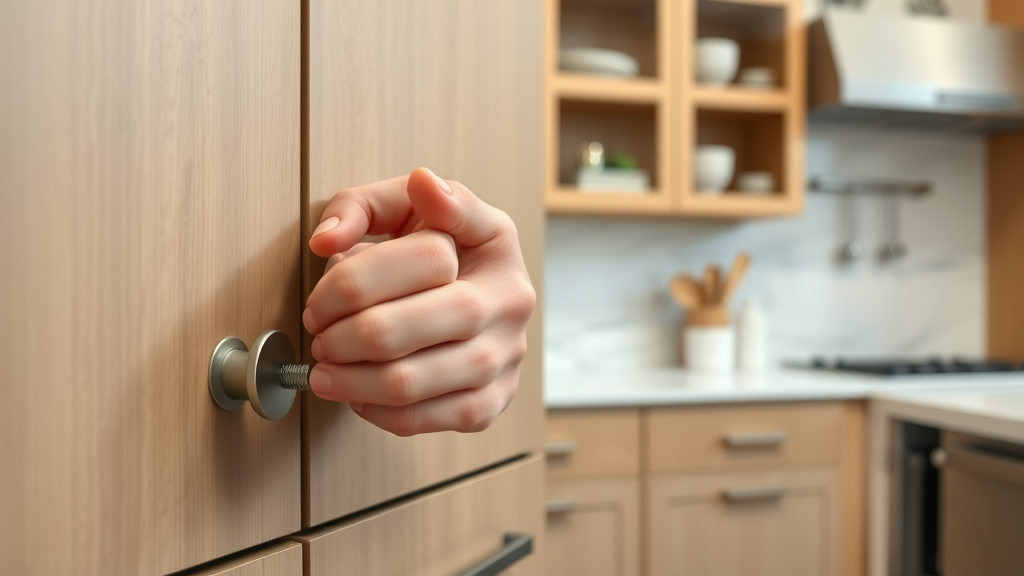
Sometimes, the quickest way to refresh a kitchen is with new cabinet hardware . Swapping out knobs, pulls, and hinges is a DIY-friendly upgrade that makes a world of difference without the timeline (or cost) of replacing entire cabinets. The right hardware elevates your kitchen cabinets, aligning them with your new design choice and boosting functionality in the process.
Choose hardware in on-trend finishes like matte black, brushed brass, or chrome to add a contemporary touch. These choices pair well with almost any kitchen design and instantly modernize your space. Additionally, hardware upgrades can improve everyday comfort—think soft-close hinges or adjustable handles for greater convenience.
This simple step fits into any kitchen remodeling project, regardless of scale. It also helps future-proof your kitchen, making it feel current for years to come while remaining a speedy and accessible update.
Optimizing Kitchen Layouts for Maximum Speed and Impact
Your kitchen layout directly determines how quickly your remodel moves from demo to completion. Certain kitchen layouts, such as the L-shape , galley, and island configurations, are known for their straightforward installation and effortless function. Professionals favor these designs for both small kitchen spaces and larger culinary centers.
Before starting construction, review crucial factors like traffic flow, appliance placement, proximity to plumbing, and available storage space . Sometimes, small tweaks—like shifting an island or rotating base cabinets—can dramatically improve usability while reducing installation labor. If your existing layout works, resist the urge to change it; surface upgrades like cabinets, countertops, and backsplash offer the most visual impact with minimal fuss.
If you need inspiration, downloading a kitchen layout planning app or consulting with a kitchen designer can streamline your design decisions and minimize last-minute changes during the renovation process. This sets the stage for a clean, fast upgrade that doesn’t sacrifice style for speed.
Kitchen Layout Best Practices from Pro Kitchen Remodelers
- Proven kitchen remodeling layouts (L-shape, galley, island) for fast installation and improved function.
Experienced remodelers agree that simplicity and function are top priorities for a successful kitchen remodel . The L-shaped layout offers flexibility, fits both small and large kitchens, and keeps everything within reach. The galley kitchen speeds up cooking by placing appliances and work zones in parallel, ideal if you’re tight on space or seeking maximum efficiency.
For larger homes, a kitchen island can add valuable prep space and double as a social center without requiring complex structural changes. When choosing between these options, consider the existing placement of your kitchen wall, plumbing, and major appliances—major shifts can slow the project and inflate energy bills if they require new wiring or vents.
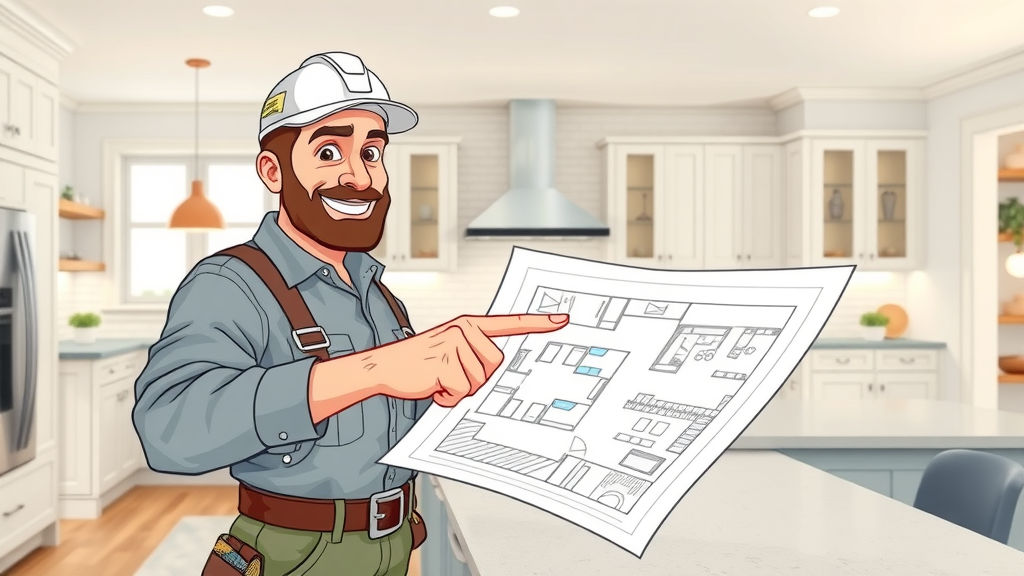
Finally, pros advocate for pre-measuring all base cabinets, mapping new outlets, and dry-fitting layouts before making anything permanent. This ensures your design plan is executed without delays, mistakes, or the need for mid-project course corrections.
Remodeling for Small Kitchen Spaces: Fast Solutions
- Expedite your small kitchen remodel with space-saving ideas and quick solutions.
Remodeling a small kitchen has unique advantages: less square footage means faster work and lower costs overall. When time is tight, focus on vertical storage, wall-mounted shelves, and slimline base cabinets to maximize space. Consider switching traditional cabinet doors for pull-out drawers or open shelving to make everyday items easy to access.
Opt for multi-functional appliances and fixtures, like a single-bowl sink or a slim dishwasher designed for compact spaces. Choose lighter colors and reflective finishes to make the kitchen feel more open. Coordinated cabinet hardware, strategic lighting, and simple, consistent decor can tie it all together, making even a small kitchen remodeling project feel seamless and speedy.
Lastly, avoid the urge to over-stuff the room: streamlined choices in layout, color, and material help keep a small kitchen feeling organized and ensure your fast makeover delivers big style and function.
"A swift kitchen remodel is not about cutting corners—it’s about making smarter choices right from the start."
Kitchen Remodels on a Budget: Save Money Without Compromising Quality
| Budget-Friendly Strategy | Traditional Method | Result |
|---|---|---|
| Ready-to-assemble cabinets | Custom-built cabinetry | Fast install, lower cost, instant update |
| Refacing existing cabinets | Total cabinet replacement | Minimal demo, affordable, refreshes design |
| Laminate countertops | Natural stone installation | Quick in-and-out, modern aesthetics |
| DIY backsplash peel-and-stick tiles | Professional tilework | No labor costs, speedy installation |
| Energy Star appliance swaps | Full appliance suite upgrade | Lower energy bills, gradual upgrades |

- Quick tips for kitchen remodeling on a budget. Maximize value with strategic upgrades and material choices.
Tight budgets don’t mean dull results. Many kitchen remodeling projects save money and boost home value with a handful of quick, strategic decisions. For example: Consider resurfacing your kitchen cabinets instead of a full replacement; upgrade cabinet hardware and faucets for a trend-right look; or install an affordable, scratch-proof laminate countertop in a modern pattern.
Shop for Energy Star appliances, which lower monthly energy bills and are often available at warehouse discount retailers. Aim for material and design choices that balance cost, function, and current kitchen design trends. Always review a buying guide for products before purchasing—especially for major items like base cabinets or lighting fixtures.
Finally, check out home improvement stores for end-of-season deals on flooring, tiles, or lighting. With smart planning and a willingness to embrace minor DIY projects, you can create the kitchen of your dreams at a price that fits your wallet.
Kitchen Remodeling Timeline: How to Renovate Fast

Realistic Schedules for Your Entire Kitchen Remodel
- Step-by-step timeline for a successful kitchen remodeling process, with phase-by-phase tips.
A realistic timeline is the backbone of any successful kitchen remodel . For a standard kitchen, you can often expect a renovation process of four to eight weeks. Early phases include demolition, plumbing and electrical updates, subfloor repair, and prepping the space for new finishes. Next, you’ll install flooring, followed by base cabinets and countertops. Afterward, it’s all about finishing touches, such as backsplashes, lighting, appliances, and final inspections.
Keep your project on track by pre-scheduling deliveries of materials, confirming contractor availability, and handling all permits in advance. Don’t start until all essential items are in hand—a missing countertop slab or special order sink can freeze the timeline for weeks.
Build in buffer days for unexpected problems like hidden plumbing leaks or subfloor damage. With a transparent schedule pinned to your kitchen wall or managed in a project app, you’ll keep everyone’s expectations clear and your home improvement moving swiftly.
Coordinating Contractors and Scheduling Delivery for Speed
- Optimize your kitchen remodeling timeline by coordinating professionals and deliveries.
Transforming your entire kitchen requires careful coordination of skilled trades like electricians, plumbers, cabinet installers, and painters. Appoint a dedicated project manager if possible, or use free scheduling tools to organize tasks and prevent overlaps. Ensure clear communication between all contractors and schedule deliveries in phases—this way, your kitchen designer and contractors can address issues promptly, minimizing downtime.
Work directly with suppliers to confirm lead times for big-ticket items such as cabinets and appliances. Whenever possible, plan for early delivery and secure onsite storage if possible. This approach ensures you’re never left waiting on a missing part that stalls the whole remodel. Remember, even small delays can balloon into weeks if not managed proactively during your kitchen remodeling project.
Finally, be flexible. Unforeseen surprises can crop up no matter how well you plan. Stay positive, address problems quickly, and rely on your design plan and organized schedule for guidance. This is the formula for a speedy, successful kitchen remodel that impresses everyone who walks through your door.
People Also Ask
What is a realistic budget for a kitchen remodel?
- A realistic budget for kitchen remodeling typically ranges from $15,000 to $40,000, depending on scope, materials, and size. If tackling a small kitchen remodel with stock cabinets and laminate countertops, expect costs on the lower end. For the entire kitchen with premium finishes and appliances, the budget climbs. Maximize value by clearly outlining priorities and researching a detailed buying guide for all major purchases.
Is $10,000 enough for a kitchen remodel?
- For a minor or partial kitchen remodel , $10,000 can be sufficient if you focus on cosmetic upgrades—think painting cabinets, updating the kitchen wall backsplash, installing new cabinet hardware, and replacing lighting or fixtures. Skip expensive layout changes or high-end materials and use energy star appliances for added savings.
Is $30,000 enough for a kitchen remodel?
- A $30,000 budget allows for a robust mid-range kitchen remodel, including replacing kitchen cabinets, appliances, and most finishes. You’ll have freedom in design plan and materials, making it a great option for the entire kitchen, as long as you monitor spending on luxury items and stick to a structured renovation process.
Can I redo my kitchen for $10,000?
- Yes, you can transform your kitchen for $10,000—especially a small kitchen—by focusing on essential changes, shopping for sales, using ready-to-assemble base cabinets, and repurposing existing surfaces where possible. Avoid moving plumbing or structural walls to stay on budget and finish fast.
Essential Tools and Products for Efficient Kitchen Remodeling
- Curated list of must-have tools, products, and technologies to make your kitchen remodel fast and hassle-free.
Outfit yourself with the right tools to save hours during any home improvement. Must-haves include a cordless drill, laser level, measuring tape, adjustable wrench, stud finder, and paint sprayer for crisp cabinet finishes. Consider technology upgrades like a project management app or a digital kitchen design planner to keep your buying guide, receipts, and schedules at your fingertips.
When selecting products, prioritize materials that install quickly yet deliver style and durability. RTA cabinets, peel-and-stick flooring, and pre-cut backsplash tiles are game-changers for DIYers and contractors alike. Energy Star appliances add instant value and savings over time, and updated LED lighting trims installation time while reducing energy bills.
For a kitchen remodel that runs smoothly, keep all tools and materials organized by phase—demo, install, finish. This approach slashes downtime, ensures no detail is overlooked, and helps you realize a stress-free, successful kitchen remodel.
Mistakes to Avoid in Fast Kitchen Remodeling Projects
- Top kitchen remodeling mistakes that slow you down—and how to avoid them for smoother, faster upgrades.
Speedy projects can lead to oversight. The most common pitfalls are skipping the design plan, underestimating timelines and costs, and failing to coordinate with your contractors. Starting work before all materials have arrived or having incomplete measurements, especially for base cabinets or appliances, can grind progress to a halt and inflate costs.
Steer clear of trendy finishes that might clash with future home design updates and avoid over-customizing, which increases lead times. Always get written estimates and check references for contractors, as unreliable labor leads to frustrating project stalls. Rushing electrical or plumbing work is risky—take time for these crucial phases, as mistakes are expensive and could impact your home’s safety and function.
Prioritize communication, double-check all specs, and keep your renovation process guided by a thorough checklist. These habits pave the way for a fast and successful kitchen remodel, minimizing headaches and maximizing results.
Video Walkthrough: 5 Mistakes to Dodge in Your Fast Kitchen Remodel
Quick Checklist for Every Kitchen Remodeling Project
- Comprehensive checklist to ensure no details are missed during your kitchen remodel—from prep to final inspection.
- Define goals, scope, and budget
- Research and select kitchen design/layout
- Create a complete buying guide for materials/tools
- Confirm contractor availability and licensing
- Order and stage all major items (cabinets, appliances, flooring, hardware)
- Arrange permits and schedule inspections as needed
- Demolish and prep the kitchen space
- Install plumbing, electrical, and subfloor upgrades
- Fit base cabinets, countertops, and backsplash
- Add appliances, lighting, and hardware
- Perform final inspections and clean up
Following this step-by-step checklist guarantees you tackle each phase with confidence, avoid delays, and finish your kitchen remodel faster and more smoothly—delivering the kitchen of your dreams without unnecessary stress.
Frequently Asked Questions: Kitchen Remodel and Upgrades
-
How can I save the most money on a kitchen remodel?
Focus on refinishing or resurfacing cabinets, use RTA or stock cabinets, and seek deals on appliances and flooring. DIY what you can, and avoid moving plumbing or walls. -
What upgrades give the best ROI in kitchen remodeling?
High-ROI updates include new cabinets or cabinet hardware, energy star appliances, updated countertops, and fresh lighting—all providing instant style and function. -
How do I choose a reliable contractor for a fast kitchen remodel?
Get referrals, read reviews, check licensing, and interview multiple contractors. Ask about timelines, unexpected costs, and confirm their experience with your scope of project.
Your Next Steps: Achieve Your Kitchen Remodeling Goals Effortlessly
- Ready to experience a stress-free kitchen remodel? Use our guide and resources for your best kitchen upgrade ever. Take the time to plan, choose materials wisely, and coordinate your team for a true fast-track transformation!
If you’re eager to take your kitchen transformation even further, consider exploring a comprehensive approach that covers every essential step from vision to execution. Our in-depth guide on essential steps for your kitchen remodeling journey offers advanced planning strategies, expert insights, and inspiration to help you achieve a truly remarkable result. Whether you’re a first-time renovator or looking to refine your process, you’ll find actionable advice to elevate your project. Dive deeper and unlock the full potential of your kitchen upgrade—your dream space is just a few smart steps away.
Take charge: Set a clear plan, choose smart upgrades, and communicate with your team—so your kitchen remodeling wraps up fast and the results last for years!
Embarking on a kitchen remodel can be both exciting and daunting. To ensure a successful transformation, consider these expert insights:
-
“Kitchen renovation - 11 steps to a successful transformation” provides a comprehensive guide covering essential phases from planning to execution, emphasizing the importance of a clear renovation brief and a detailed schedule to track tasks and maintain a smooth timeline. ( homebuilding.co.uk )
-
“The (Don’t Get Burned) Kitchen Remodeling Guide” offers valuable tips to navigate the complexities of remodeling, highlighting the significance of thorough planning, realistic budgeting, and choosing the right kitchen layout to enhance functionality and aesthetics. ( thisoldhouse.com )
By leveraging these resources, you can approach your kitchen remodel with confidence, ensuring a streamlined process that balances efficiency with quality.


Write A Comment