Add Row
Add Element
American Yard and Home Logo
update
American Yard & Home
American Yard & Home Logo
update
Add Element
  • Home
  • Categories
    • Ask an Expert
    • DIY Projects & Repairs
    • Featured Businesses
    • Home Renovation & Remodeling
    • Interior Design & Styling
    • Landscaping & Curb Appeal
    • Outdoor Living
    • Smart Home & Tech
September 17.2025
2 Minutes Read

Transforming Accessibility: How a Modern Home Meets Caffrey's Needs

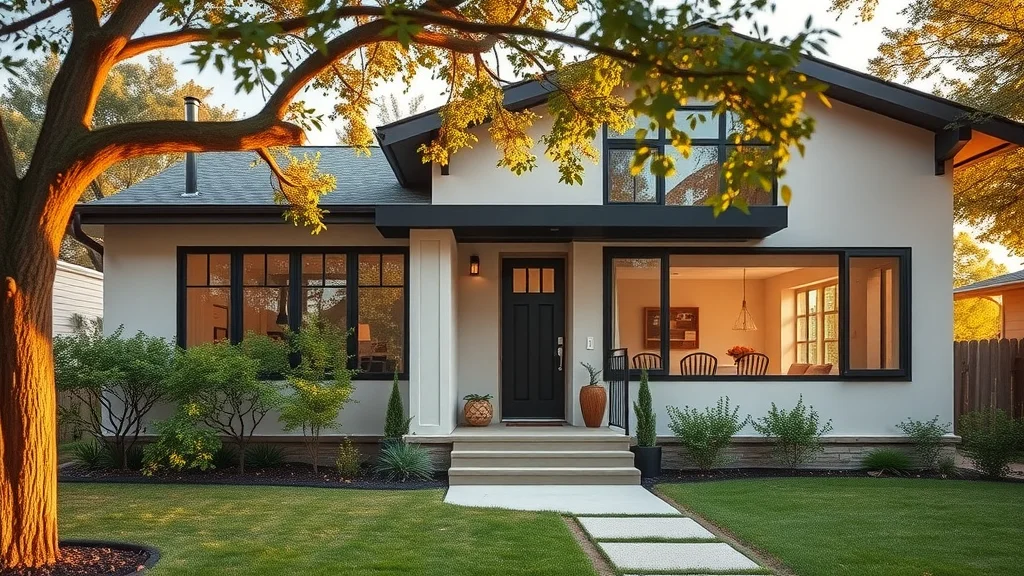
Contemporary home with accessible design features.

The Remarkable Transformation of a Mid-Century Modern Home

In the heart of Lexington, Massachusetts, a significant renovation project has taken the concept of accessibility and blended it with stunning modern design. This project, highlighted in the full episode of *This Old House | Accessible Made Modern*, showcases how a home can be both functional and stylish.

In *This Old House | Accessible Made Modern*, the discussion covers the incredible renovation journey of a Mid-Century Modern home, exploring key insights that sparked deeper analysis on our end.

Creating Accessibility in Design

When the family embarked on this renovation, their main goal was to ensure that their middle child, Caffrey, who has Duchenne muscular dystrophy, would have equal access to the home. This mission shaped every aspect of the project, incorporating both structural changes and aesthetic improvements to make the home both welcoming and functional. The designers implemented ADA-compliant features such as a ramp with a gentle slope, spacious hallways, and a thoughtfully designed staircase that supports mobility.

Preserving Character While Modernizing Space

One of the most impressive feats of this project was maintaining the original charm of the 1960s Mid-Century Modern home while making it adaptable for the family’s needs. The designers preserved essential elements like the exposed brick walls and utilized materials like quartzite for the kitchen countertops and oak for flooring to echo the home’s inherent style.

Innovative Solutions for Comfort and Convenience

The kitchen became a centerpiece of the redesign, featuring accessibility at its core. Thoughtfully placed automatic sinks, side-opening appliances, and open spaces encourage family interaction while ensuring safety and ease of use for Caffrey. Additionally, a floating staircase, which is both a design statement and a functional piece, connects the well-planned living areas without compromising on modern aesthetics.

A Family Space Designed for Connection

The new layout promotes family togetherness, with open living areas and a dedicated dining space connecting seamlessly to the kitchen. This open-plan design allows for better supervision of Caffrey while letting the family share their daily activities together. The landscape design also complemented this idea, featuring level walkways and an accessible outdoor space complete with a hydrotherapy pool designed specifically with Caffrey's needs in mind.

The Benefits of Thoughtful Renovation

The benefits of such thorough planning and design are clearly visible, with the family enjoying not just the enhanced aesthetics of their home but also the improved functionality it now offers. Caffrey can navigate his space with independence and comfort, which is essential for any child. The smiles on the family’s faces during the home reveal highlight the success of this renovation project.

Overall, this Mid-Century Modern home has been transformed into a place where love, accessibility, and style coexist seamlessly. Homeowners considering renovations should look to such innovative examples that prioritize both beauty and practicality.
Home Renovation & Remodeling

0 Comments

Write A Comment

*
*
Related Posts All Posts
01.08.2026

Austin Home Additions: What Room Expansions Cost—and What They’re Really Worth

Jackson Rothman’s Expert Take: Unlocking Value in Austin Home Additions If you’ve ever stood in your Austin home imagining a new bathroom, a bright family room, or a private suite for a loved one, you already know that austin home additions: what room expansions cost—and what they’re really worth is the pivotal question. For homeowners, property investors, or those charged with guiding families through big decisions—understanding both the expenses you’ll face and the value you’ll gain is essential. Today, we dive deep with Jackson Rothman of RCE Construction & Remodeling, whose boots-on-the-ground experience in Austin’s unique housing landscape sheds needed light on both the monetary and personal sides of this investment. “Adding a kitchen and bathroom are definitely the two biggest cost drivers in home additions, especially when plumbing is involved.” — Jackson Rothman Why Plumbing-Related Expansions Inflate Austin Home Addition Costs Understanding the Cost Drivers: Permitting, Labor, and Materials According to Jackson Rothman, the most significant expenses in any austin home addition project arise when new plumbing is required. Kitchenettes and bathrooms, with their essential water and drainage connections, are in a league of their own for complexity. Unlike simply expanding a bedroom or living area, these kinds of additions demand more specialized labor, top-tier materials for wet-area durability, and—most costly of all—careful, code-compliant tie-ins to your existing plumbing system. When you initiate a new bathroom or kitchen, you’re layering not only new pipes and fixtures but also embarking on a crucial permitting journey. As Rothman points out, the costs compound as soon as you involve city inspectors and code compliance checks. Permitting fees, engineering signoffs, and the added labor for skilled trades can account for a major portion of the project budget. Add in the rising price of construction materials in the Austin area and the picture becomes even more complex. The bottom line: the real cost isn’t just the new square footage—you’re investing in professional expertise to ensure your home addition stands the test of time, safety, and legal scrutiny. While plumbing and permitting are major cost drivers, it’s equally important to consider the underlying structure supporting your new space. For a deeper understanding of how your home’s foundation impacts renovation success, explore these key insights on the importance of foundation knowledge during home renovations. Factoring in foundational stability early can help you avoid costly surprises and ensure your addition is built to last. “Connecting to the existing plumbing system and ensuring permitting compliance adds significant time, work, and cost to any addition project.” — Jackson Rothman Navigating Austin’s Permitting Process to Avoid Costly Delays Permitting in Austin isn’t just a checkbox—it’s a strategic phase that can tilt the whole cost equation of your addition. Rothman emphasizes that city requirements for new plumbing (and related upgrades like electrical work) add more than just paperwork. Permitting timeframes can range from several weeks to a few months depending on the project’s scope, the city’s current backlog, and whether revisions are required. Costs for fees and inspections should be built into the budget from day one. This process underscores the importance of hiring licensed, experienced contractors. Only a professional can navigate the complexities of Austin’s codes, avoid costly redos, and ensure your investment is protected not just at resale, but for the full life of your home. According to Rothman, cutting corners on permitting or quality in pursuit of short-term savings often leads to significant headaches down the road—unapproved work is not just a legal risk, but can also stall future sales and make insurance claims difficult. Factors that increase costs: plumbing tie-ins, electrical upgrades, fixtures Permitting timeframes and fee structures in Austin Importance of hiring licensed contractors for code compliance When Austin Home Additions Make Financial and Lifestyle Sense Assessing ROI Based on Home Size and Location The simple calculus of whether a austin home addition is "worth it" rarely has a universal answer. Instead, as Rothman explains, context is king. If you own a smaller home—especially in one of Austin’s up-and-coming neighborhoods—adding a new bathroom or kitchenette can be incredibly shrewd. These additions don’t just enhance daily living; they typically anchor the home’s value and appeal for future buyers who value comfort and flexibility. For larger homes, the equation is more nuanced, but can still pay off by expanding practical space or accommodating evolving family needs. According to Rothman, the surge in Austin’s real estate values has made strategic room expansions in the right zip codes a potentially profitable move. But beyond spreadsheets and comps, long-term quality of life improvements and adaptability often matter just as much. Investing in personalized space means current comfort and future flexibility, making additions a cornerstone of smart homeownership in Austin’s fast-moving market. “If your home is already small and in an up-and-coming Austin neighborhood, adding a bathroom or kitchenette typically makes the most sense financially and practically.” — Jackson Rothman Balancing Resale Value vs. Family Needs Many Austin homeowners are increasingly looking beyond dollar returns to consider additions that serve an immediate purpose—welcoming aging parents, housing adult children in transition, or offering comfort to relatives in need. While an extra bedroom or in-law suite with a private bathroom may boost resale, the greater motivation often lies in supporting family. Rothman observes this trend first-hand, noting how multi-generational living and flexible guest accommodations now factor into most clients’ design wish lists. For these homeowners, the “worth” of a home expansion transcends pure ROI calculations. The equity built is measured not just in appraised value, but in the day-to-day ease, privacy, and dignity it provides loved ones. According to Rothman, this mindset frequently guides the planning process, driving more nuanced designs that cater both to family needs and to future marketability, should the situation ever change or the home hit the market. “Many homeowners add space primarily to provide for relatives in need, which can outweigh pure resale considerations.” — Jackson Rothman Design Tips for Multi-Purpose Room Expansions Rothman encourages homeowners to think in terms of space flexibility: “How can this new room serve multiple purposes—family now, rental in the future, or an easily convertible guest suite if needs change?” He recommends modular furniture, built-in storage to reduce clutter, and robust finishes that age gracefully Another tip—look beyond aesthetics to the practicalities of future proofing. For example, wide doors, level thresholds, and bathroom grab rails can make a new suite perfect both for a visiting relative and for later accessibility. In rental-focused neighborhoods, sound-insulation and independent HVAC controls boost both comfort and desirability. Every detail adds functionality and, ultimately, value—qualities that stand up in any competitive Austin neighborhood. Maximizing space efficiency in small additions Choosing durable, low-maintenance materials Incorporating flexible layouts for rental or family use Final Thoughts: Strategic Planning for Austin Home Additions Expert Advice to Maximize Your Investment Rothman’s advice to Austin homeowners contemplating a significant addition is clear: start by truly understanding your home’s current size and local neighborhood trends. Collaboration with trusted contractors is essential, not just for construction, but for navigating the intricacies of permitting, plumbing, and city codes that define the real cost and value of your project. Above all, Rothman stresses the value of designing for flexibility—a room built smart today becomes your home’s asset tomorrow, whether for your family’s evolving needs or the next owner’s wish list. The expert’s perspective is that you should always consider your current and likely future circumstances before committing significant resources to any addition. In Austin’s dynamic market, this forward-thinking approach ensures your investment delivers both quality of life and market value for years to come. “Always consider your current home size, neighborhood trends, and specific family needs before committing to a major addition.” — Jackson Rothman Evaluate your home’s baseline size and neighborhood growth potential Work with trusted contractors to understand permitting and plumbing complexities Design with future flexibility in mind to enhance both living quality and market appeal Key Takeaways: Austin Home Addition Costs & Worth Bathroom and kitchen expansions are the largest cost drivers due to plumbing and permitting Small, growing Austin neighborhoods offer the best ROI for additions Many homeowners prioritize family living needs alongside financial returns Ready to Transform Your Austin Home with a Smart Addition? Work with RCE Construction & Remodeling’s expert team to plan and build your ideal home expansion—balancing cost, design, and long-term value. As you consider the next steps for your Austin home addition, remember that a truly successful renovation is built on a solid foundation—both literally and figuratively. Gaining a deeper understanding of your home’s structural base can empower you to make smarter, more resilient design choices that stand the test of time. For homeowners seeking to elevate their renovation strategy and safeguard their investment, taking a closer look at why understanding your home’s foundation is crucial for renovation can provide the advanced insight you need. Explore how foundational knowledge can unlock new possibilities and ensure your addition delivers lasting value for years to come.

01.16.2026

Transforming a Historic Victorian Home: Insights from This Old House

Discover essential home renovation tips and insights from a stunning Victorian restoration that highlights energy efficiency, landscaping, and DIY projects.

01.09.2026

Transform Your Home: Garden Revival, Painting Perfection, and Wiring Wisdom

Update Transform Your Garden from Dreary to Dreamy In this episode of Ask This Old House, expert Lee takes a bare backyard and turns it into a vibrant garden space. The homeowner, Tracy, approached Lee seeking guidance for her neglected garden area, revealing soil problems and a lack of proper irrigation.In ASK This Old House | Garden Restore, Bathroom Fan (S22 E23) FULL EPISODE, the discussion dives into essential home projects, exploring key insights that sparked deeper analysis on our end. Lee's first step was to address the underlying issues with the soil. He explained the importance of soil quality in creating a thriving garden, starting with a tiller to aerate the soil. By adding organic compost and fertilizer, Lee amended the soil to enhance its pH and nutrient content. This not only encourages healthy plant growth but also boosts the overall environment of the garden. Choose the Right Plants for Your Environment The transformation wouldn’t be complete without choosing suitable plants. With Tracy's preferences in mind, Lee selected boxwoods for a year-round green foundation and hydrangeas for their stunning blooms. He also included catmint to attract pollinators like bees and butterflies, and black-eyed Susans to add that pop of summer color. This careful selection reflects the importance of choosing the right plants for the specific climate and soil conditions. Understanding Irrigation Systems for Low Maintenance Gardening One of the key upgrades Lee introduced was a drip irrigation system. This method ensures that each plant receives the right amount of water without the hassle of daily watering. Tracy was relieved to learn that not only would it reduce her maintenance needs, but also keep her garden thriving even in warmer weather. A properly installed irrigation system is a game-changer for homeowners who travel often or want to maintain a lush garden with less effort. The Painter's Journey: Inspiration and Growth Switching gears, the episode also highlights Stephanie, a dedicated painter from Londonderry, New Hampshire. She shares her journey from aspiring dental hygienist to successful business owner. Emphasizing the importance of training and supporting her employees, Stephanie's story illustrates how dedication and hard work can lead to success in the trades. Her innovative approach, like developing the Brush Wash tool for easier brush cleaning, showcases the creativity that thrives within skilled trades. Stephanie's experience serves as a reminder that following one's passion can lead to a fulfilling career, even in challenging industries. Essential Improvements for Older Homes The episode wraps up with Heath, who visits a homeowner dealing with an outdated bathroom ventilation system in a 1920s home. He discovers BX wiring, known for its durability, but also risks associated with its age. Heath emphasizes that while this wiring can be safe, it requires cautious handling and potentially needs upgrading over time. Homeowners should be aware of the wiring conditions in their older homes, ensuring safety takes precedence over mere convenience. This segment sheds light on the critical balance of preserving the charm of older homes while adapting them to modern safety standards and conveniences. In conclusion, the episode of Ask This Old House not only presents practical home improvement projects but also shares valuable insights into gardening, painting, and managing older properties. Whether you're looking to beautify your backyard, embark on a DIY painting project, or ensure the safety of your home, the advice from these experts is invaluable.

Terms of Service

Privacy Policy

Core Modal Title

Sorry, no results found

You Might Find These Articles Interesting

T
Please Check Your Email
We Will Be Following Up Shortly
*
*
*