Add Row
Add Element
American Yard and Home Logo
update
American Yard & Home
American Yard & Home Logo
update
Add Element
  • Home
  • Categories
    • Ask an Expert
    • DIY Projects & Repairs
    • Featured Businesses
    • Home Renovation & Remodeling
    • Interior Design & Styling
    • Landscaping & Curb Appeal
    • Outdoor Living
    • Smart Home & Tech
August 18.2025
1 Minute Read

Discover the Hidden Power of Outdoor Kitchens for Perfect Entertaining

Did you know that homeowners with outdoor kitchens report entertaining 40% more often? The growing popularity of outdoor kitchens has transformed backyards into vibrant hubs for gathering, grilling, and relaxation. But there's more than just a grill or pizza oven behind this trend—these modern outdoor spaces revolutionize how we host, cook, and socialize. Whether you envision sunset parties, family pizza nights, or relaxing in your expanded living space, uncover how investing in an outdoor kitchen can turn every occasion into a perfect entertaining opportunity.

Unlocking the Full Potential of Outdoor Kitchens: Surprising Facts That Transform Entertaining

The appeal of outdoor kitchens stretches well beyond grilling—imagine blending the comforts of your indoor kitchen with the openness of your backyard, patio, or garden. Outdoor kitchen ideas today incorporate functional kitchen design, premium appliances, and stylish patio furniture, making your outdoor living space an irresistible spot for hosting friends or family. Even homeowners with smaller spaces or modest budgets are finding innovative ways to maximize both functionality and beauty, from compact grill islands to fully-equipped modular outdoor kitchens.

By integrating a thoughtfully designed cooking space, you’ll experience seamless transitions during gatherings, ensuring nobody misses the fun while prepping meals. According to recent reports, households with outdoor kitchens show a marked increase in social activity and property value. The outdoor kitchen has evolved into an anchor for social interactions, providing endless possibilities for casual dining, elegant parties, or cozy nights around a fire pit or pizza oven.

"Homeowners with outdoor kitchens report entertaining 40% more often."

inviting outdoor kitchen with smiling guests enjoying a casual gathering, outdoor kitchens, lush backyard with modern patio furniture
Turn your backyard into an inviting entertaining destination with state-of-the-art outdoor kitchens.

A New Era for Outdoor Living: Why Outdoor Kitchens Are Redefining Social Spaces

Outdoor kitchens have redefined what it means to create a versatile and inclusive social space. These upgraded living environments allow hosts and guests to interact around the kitchen island, swap stories while tending the grill, or gather at bar stools and dining sets that spill into vibrant backyard patios. This merging of inside comfort with the open, fresh-air freedom of the outdoors blurs traditional boundaries, transforming even small outdoor spaces into dynamic centers for connection.

The impact extends beyond entertaining. The introduction of grilling stations, kitchen sinks, and outdoor kitchen cabinets has changed the layout of many homes, often making the backyard as crucial as the family room. Whether it’s a quick breakfast cooked under the sunrise or a late-night pizza by the fire pit, the outdoor kitchen allows for spontaneity and togetherness, driven by the ease of use and smart kitchen ideas designed for every lifestyle.

For even more inspiration on how to seamlessly blend your garden and kitchen for a better lifestyle, explore these practical tips and design strategies in Transform Your Garden with an Outdoor Kitchen for Better Living . This resource offers actionable ideas to help you maximize both beauty and function in your outdoor space.

What You Gain by Embracing Outdoor Kitchens

  • Enjoy seamless transitions between your indoor kitchen and outdoor space
  • Host unforgettable gatherings with outdoor kitchen ideas
  • Boost property value and curb appeal
  • Elevate your outdoor living and dining experience
  • Expand your living space into the outdoors

By taking advantage of outdoor kitchen design trends, property owners maximize their real estate’s versatility. Hosting becomes less stressful and more rewarding, as you’re free to move between grilling, networking, and relaxing—all without sacrificing the amenities of a traditional kitchen. These benefits equally apply to city balconies looking for small outdoor kitchen solutions and sprawling suburban backyards.

With endless outdoor kitchen ideas , there’s a solution for almost every space or budget. Whether integrating a stylish stainless steel counter, modular outdoor kitchen units, or a cozy pizza oven corner, these investments increase your outdoor living space and appeal to future buyers—representing an ideal blend of leisure and value that traditional indoor kitchens alone can’t provide.

Outdoor Kitchen Design Inspirations: Innovative Outdoor Kitchen Ideas for Every Home

Elegant Kitchen Ideas for Modern Outdoor Kitchens

Today’s outdoor kitchens are defined by modern elegance, integrating premium materials like polished stainless steel, high-gloss countertops, and minimalist cabinetry. These design elements lend a luxury feel even to mid-sized patios, creating a space that’s as visually stunning as it is practical. Strategic kitchen lighting—such as ambient LED strips—enhances the atmosphere, making every gathering, from cocktail parties to quiet family meals, feel memorable and visually impressive.

Incorporate built-in grills, sleek kitchen islands, and low-maintenance surfaces to foster both style and function. Pairing your kitchen grill with modular outdoor cabinets and a spacious kitchen sink adds to the functionality, ensuring your cooking space can handle everyday meals and larger events with ease. These elegant kitchen ideas are perfect for homeowners seeking a contemporary, uncluttered look that transitions effortlessly from day to night.

sleek modern outdoor kitchen with stainless steel appliances, elegant kitchen ideas for outdoor kitchens, waterfront backyard patio, outdoor kitchen design
Modern outdoor kitchens fuse style and functionality, with stainless steel appliances and minimalist design.

Small Outdoor Kitchen Solutions for Compact Spaces

If you’re working with a small outdoor space, there’s no reason to compromise on quality or creativity. Compact outdoor kitchen ideas include modular kitchen islands, slimline grills, and fold-away kitchen sinks—ideal for balconies, patios, or petite urban backyards. Choose clever storage options like under-counter cabinets and custom shelving to maximize every inch, turning the tiniest patio area into a fully-equipped cooking zone.

Modular outdoor kitchen sets are incredibly popular for smaller outdoor living areas, thanks to their flexibility and space-saving designs. Features like built-in bar stools, retractable side burners, and mini pizza ovens ensure you can entertain guests without a sprawling footprint. These kitchen ideas prioritize functionality, keeping the grilling, prepping, and serving spaces integrated seamlessly for efficient outdoor cooking.

Grill Island and Pizza Oven Combination Concepts

For culinary enthusiasts, a combination of grill islands and pizza ovens opens up endless possibilities. Integrating a grill island with a wood-fired or gas pizza oven transforms your outdoor kitchen into a gourmet venue fit for serious cooks and casual hosts alike. With both components in play, you can effortlessly prepare grilled dishes and Neapolitan-style pizzas for your guests at the same time.

These features are especially effective for larger gatherings, as the grill island becomes a focal point for interaction while the pizza oven adds a flair of tradition and novelty. Adjustable countertop spaces around these appliances allow space for prepping, serving, and even hosting pizza-making parties. With exposed brick, weather-resistant materials, and creative lighting, your outdoor kitchen design will be as warm and inviting as it is functional.

rustic grill island and pizza oven with chef, cozy outdoor kitchen, outdoor kitchens, potted herbs and brick, pizza oven outdoor kitchen ideas
Combine a rustic grill island and pizza oven for a versatile, welcoming outdoor cooking experience.

Incorporating Fire Pits and Modular Outdoor Kitchen Features

Nothing sets the tone for outdoor living like the radiance of a fire pit paired with modular kitchen features. Fire pits are a cornerstone of outdoor spaces, fostering relaxed gatherings and making your outdoor kitchen an all-season destination. Modular outdoor kitchens allow you to reconfigure your setup over time—adding, moving, or removing kitchen cabinets, appliances, or islands to match your changing needs.

Combine weatherproof fire pit designs, integrated seating, and adaptable grill islands to extend the usability of your space beyond summer. Look for outdoor kitchen products that pair modular convenience with durable finishes. This flexibility ensures your backyard remains tailored to seasonal trends and personal preferences, maximizing year-round value and enjoyment.

Exploring the Key Features of Outdoor Kitchens: What Sets Them Apart?

Stainless Steel, Kitchen Sink, and Premium Appliances

The heart of outdoor kitchens lies in their robust, weather-resistant components. Premium stainless steel is prized for its durability, easy maintenance, and sleek appearance, making it a top choice for kitchen grills, cabinets, and countertops. Stainless steel surfaces resist corrosion, heat, and stains, ensuring your investment stands the test of time. A dedicated kitchen sink allows for easy food prep and clean-up, bridging the gap between indoor and outdoor cooking.

Adding premium features like high-efficiency gas grills, side burners for specialty dishes, and under-counter refrigerators brings professional-level performance outdoors. The result is a high-performing cooking space that rivals the best indoor kitchens, all with the added benefit of fresh air and a garden backdrop.
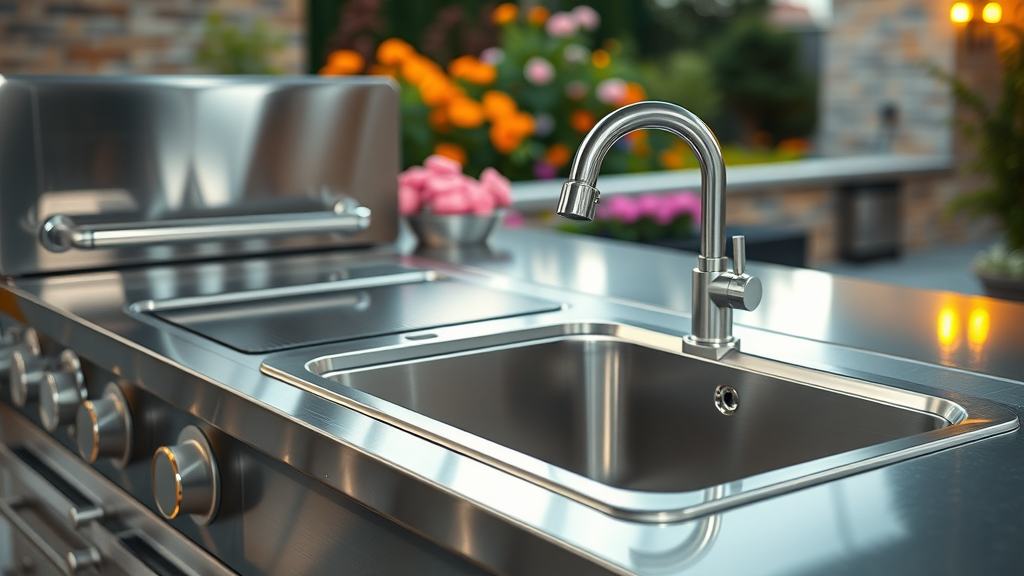
polished stainless steel outdoor kitchen with kitchen sink, premium grill, outdoor kitchens with garden, metallic silver tones, kitchen design
Stainless steel and premium appliances define the durability and sophistication of modern outdoor kitchens.

Must-Have Outdoor Cooking Accessories

Accessorizing your outdoor kitchen enhances both efficiency and enjoyment. Key accessories include grilling tool sets, rotisserie attachments, smoker boxes, and weatherproof covers for year-round protection. Consider investing in custom-fit bar stools, built-in storage cabinets, and ample countertop space for prepping ingredients or serving guests.

Don’t forget the essentials: pizza ovens (for authentic pies), smart kitchen sinks with touchless faucets, and chilling drawers for beverages make every event seamless. Select accessories designed to withstand outdoor conditions—opting for powder-coated or stainless steel finishes that complement your kitchen’s style and provide long-lasting utility.

How to Choose the Ideal Modular Outdoor Kitchen for Your Space

Selecting the right modular outdoor kitchen starts with considering your living space needs, entertaining style, and climate. Look for modular units that allow you to start small—maybe just a grill island or pizza oven corner—but can expand with extra cabinets, a bar counter, or even a fire pit over time. Pay attention to material durability (like stainless steel, stone, or concrete) and ensure components are weather-resistant.

When planning your layout, balance traffic flow with social zones—keeping prep, cooking, and dining areas separated but accessible. Modular outdoor kitchen kits can be customized with side burners, extra storage, and matching countertop space for a functional, personalized setup.

Comparison of Popular Outdoor Kitchen Materials
Material Durability Weather Resistance Maintenance Appearance
Stainless Steel Excellent Excellent Low Modern, Sleek
Stone Excellent Very Good Low Natural, Traditional
Concrete High Very Good Moderate Industrial, Custom
Brick High Good Moderate Rustic, Cozy

Outdoor Kitchen Design and Customization Guide

Personalizing Your Outdoor Kitchen Design and Layout

Personalization is at the core of exceptional outdoor kitchen design . Begin by envisioning how you’ll use your backyard—whether as a quiet retreat, a family gathering spot, or a party destination. Customize your kitchen’s layout based on the available living space , prioritizing walkways, access points, and focal features like a pizza oven or fire pit. Select surfaces and colors that harmonize with the landscaping and architecture of your home.

Homeowners often work with designers or use blueprint templates to test various configurations, incorporating semi-covered pergolas for shade and distinct kitchen islands for serving or food prep. Adding bespoke details, such as custom cabinet handles, artistic lighting, and personalized backsplashes, ensures your kitchen reflects your own style while maximizing efficiency and storage.

bespoke outdoor kitchen layout, satisfied homeowners reviewing blueprints, outdoor kitchen design, personalized outdoor space, custom counter shapes
Collaborate with designers or DIY your bespoke outdoor kitchen layout for seamless entertaining.

Functional Outdoor Space Utilization and Smart Storage

Effective outdoor kitchens blend beauty with utility. Smart storage is key: think pull-out trash bins, hidden drawers for grilling tools, and dedicated spaces for dinnerware and bar stools. Integrating both closed cabinets and open shelving helps keep the area tidy while accommodating everything from patio furniture cushions to pizza oven accessories.

A well-thought-out kitchen layout provides clear traffic flows, separates hot and cold zones, and creates easy access to the dining set and seating. Insulated storage, built-in coolers, and waterproof compartments safeguard food and equipment from weather extremes, extending your kitchen’s utility throughout the year.

"A well-designed outdoor kitchen becomes the heart of the backyard, just as a great kitchen is the heart of every home."

Top Outdoor Kitchen Trends: From Modular Outdoor Kitchens to Sustainable Living Spaces

Latest Innovations in Small Outdoor Kitchen Design

The latest kitchen ideas cater to small outdoor spaces, offering modular solutions that don’t skimp on performance or charm. Expect to see compact grill islands, collapsible kitchen sinks, and adjustable kitchen islands with built-in bar stools. Light-weight yet durable materials, such as stainless steel and powder-coated aluminum, are in high demand for their easy installation and weatherproofing.

Flexible configurations, multi-purpose surfaces, and integrated seating are taking center stage, maximizing every square foot of available living space and allowing even urban homeowners to embrace outdoor living.

Eco-Friendly Materials and Energy-Efficient Appliances

As sustainability becomes a priority, modern outdoor kitchens are adopting green solutions like recycled stone, water-efficient sinks, and energy-saving LED lighting. High-performance gas grills and pizza ovens now boast improved fuel efficiency and reduced emissions, aligning with eco-conscious lifestyles.

Incorporating native landscaping or permeable patio materials further reduces environmental impact, while smart faucets and sensor-equipped appliances minimize waste—allowing homeowners to enjoy their outdoor kitchen guilt-free.

  • LED lighting for ambiance and efficiency
  • Built-in pizza oven for gourmet flair
  • Fire pit and grill island integration
  • High-performance stainless steel surfaces
  • Smart kitchen sinks and faucets

Cost Breakdown: Investing in Outdoor Kitchens for Value and Satisfaction

One of the most common questions about outdoor kitchens is the investment required. Costs can vary widely depending on materials, features, and size. While some opt for high-end, custom builds, others find satisfaction with modular outdoor kitchen kits or DIY approaches. Each investment level offers unique advantages, whether you’re after luxury finishes or value-driven functionality.

Average Outdoor Kitchen Build Costs by Material and Feature
Material/Feature Entry-Level Cost Premium Cost
Stainless Steel $3,500 $15,000+
Stone $5,000 $20,000+
Concrete $4,500 $18,000+
Brick $4,000 $16,000+
Fire Pit Integration $700 $3,000+
Built-in Pizza Oven $1,200 $8,000+

What is the average cost to build an outdoor kitchen?

The average cost to build an outdoor kitchen ranges from $5,000 for basic modular setups to over $20,000 for larger custom installations featuring premium appliances, stonework, and fire pits. Factors influencing final costs include selected materials, total square footage, complexity of the kitchen design, and additional accessories like pizza ovens or smart sinks. Opting for stainless steel or modular outdoor kitchen kits can help manage budgets while delivering durability and style.

Breaking Down the Investment in Outdoor Kitchen Features

Your biggest investments will likely be in your grill island, outdoor kitchen grill, and cabinets. Other substantial costs come from specialty features such as a pizza oven, fire pit, or kitchen sink installation—often making up one-third of the total budget. Lesser expenses may include lighting, bar stools, weatherproof countertops, and patio furniture. Each addition contributes to enjoyment, space expansion, and long-term property value.

What is the cheapest way to do an outdoor kitchen?

The most budget-friendly path is a simple DIY outdoor kitchen, using modular elements and basic appliances. Prefabricated outdoor kitchen cabinets, a portable kitchen grill, and basic countertop spaces can keep your project under $4,000. Opt for freestanding components like an affordable gas grill, plastic bar stools, and a compact kitchen sink. Reuse or upcycle materials, such as stone pavers or painted bricks, to minimize costs further.
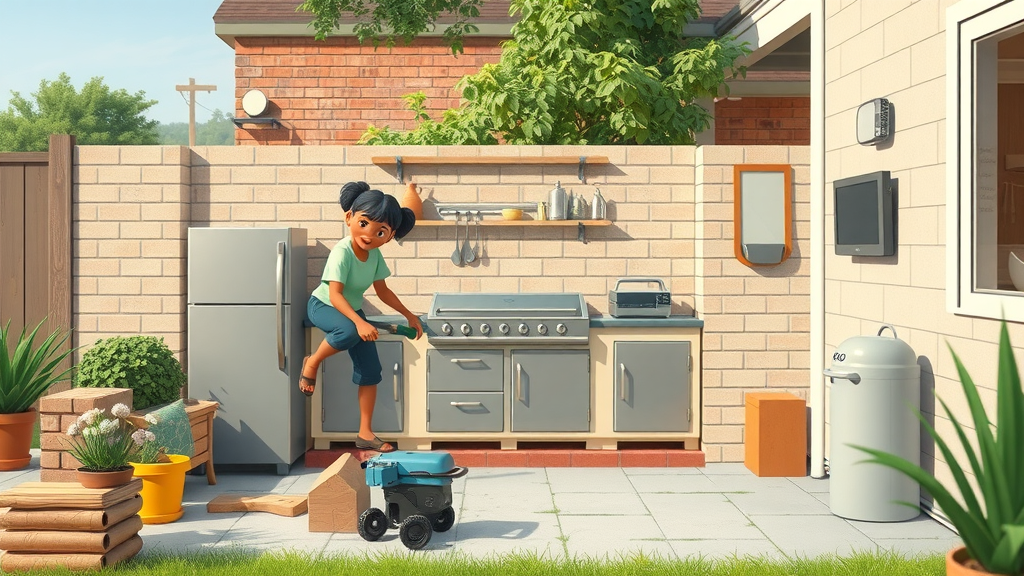
simple DIY outdoor kitchen setup, homeowner assembling modular components, cheap outdoor kitchen, outdoor kitchen cabinet, small patio kitchen ideas
DIY setups with modular components offer a cost-effective solution for small outdoor kitchens.

High-Value Ideas for Budget-Friendly Outdoor Kitchens

With creativity and planning, you can build a high-impact outdoor kitchen on a reasonable budget. Incorporate multipurpose features, like a grill island with built-in storage or a compact fire pit doubling as a dining set centerpiece. Shop for durable, affordable finishes (such as powder-coated metals) and focus spending on must-haves (the kitchen grill or pizza oven) rather than extras. Consider secondhand patio furniture or modular outdoor kitchen kits that allow you to expand little-by-little.

Does an outdoor kitchen require a permit?

Permit requirements depend on local regulations and the scope of construction. In most cases, any outdoor kitchen that includes plumbing, gas, or electrical work will require a building permit. Even simple structures may require zoning approval, especially when near property lines or using permanent installations like a fire pit. Always check with your municipality to avoid costly rework or safety issues.

Legal Considerations and Permit Requirements for Outdoor Kitchens

Before breaking ground, it’s vital to research legal requirements for installing outdoor kitchens . Major factors include utility connections (such as gas lines for grills or pizza ovens), drainage for kitchen sinks, and smoke clearances for fire pits. Consult local codes for rules on setbacks, safety barriers, and electrical installations. Hiring a contractor familiar with outdoor kitchen construction can simplify the permit process and ensure full compliance.

What is the best material to use on an outside kitchen?

Stainless steel is often considered the best overall material for outdoor kitchens due to its resilience to weather extremes and long-term durability. Stone and concrete are also strong contenders, providing a natural, rustic appearance and excellent heat resistance. For structures near the sea, opt for marine-grade stainless or sealed stone to avoid corrosion. Your choice should reflect both your style preferences and practical needs.

Material Durability, Weather Resistance, and Kitchen Design Impact

The material you choose influences not only the longevity but the look and feel of your outdoor kitchen. Stainless steel remains unparalleled for sleek, modern aesthetics and ease of care. Brick and stone evoke cozy, timeless charm, while contemporary concrete works well for custom kitchen islands and counters. Always prioritize weather resistance and low-maintenance surfaces to maximize enjoyment and minimize upkeep.

"Stainless steel is the gold standard for outdoor kitchens, offering durability and sleek style."

Answering Your FAQs on Outdoor Kitchens

  1. How do outdoor kitchens withstand weather extremes?
    Outdoor kitchens are designed with weatherproof materials such as stainless steel, sealed stone, and powder-coated metals that resist moisture, heat, and freezing conditions. Proper sealing of countertops and cabinetry, plus covers for grills and accessories, ensures longevity. For harsh climates, consider modular outdoor components that are easy to store or cover during winter.
  2. Can modular outdoor kitchens be expanded later?
    Yes, modular outdoor kitchens are specifically designed for expansion. You can start with a basic grill island or kitchen sink and later add components such as pizza ovens, countertop extensions, or fire pits. This flexibility allows you to upgrade your outdoor space as your needs and budget grow.
  3. What safety precautions are necessary when installing a fire pit or pizza oven?
    Ensure all fire pits or pizza ovens are sited away from flammable materials and structures. Install proper ventilation, use heat-resistant surfaces, and follow manufacturer guidelines for safe distances. Always consult local codes and, if necessary, have a professional handle gas or electrical hookups.
  4. Does an outdoor kitchen add resale value to your home?
    Yes. A well-designed outdoor kitchen not only boosts curb appeal but also increases home resale value. Potential buyers value multifunctional outdoor living spaces, and a complete outdoor kitchen can be a key differentiator in the market.
  5. What maintenance is required for an outdoor kitchen sink or stainless steel surfaces?
    Regular cleaning with mild soapy water keeps stainless steel appliances and sinks looking new. Avoid abrasive materials, and use specialized polishes for lasting shine. Cover sinks and appliances during the off-season to protect from debris and harsh weather.

Making Your Perfect Outdoor Kitchen a Reality

With careful planning and attention to outdoor kitchen ideas , anyone can create a seamless, functional, and inviting space. Start by assessing your available outdoor living area, identifying lifestyle priorities, and investing in quality materials. Consult with design professionals, explore modular kitchen kits, and leverage the latest trends to transform your vision into a long-lasting reality.

Key Takeaways for Maximizing Your Outdoor Kitchen Investment

  • Select features that fit your lifestyle and outdoor living goals
  • Invest in durable materials like stainless steel
  • Allow for flexible upgrades with modular outdoor kitchen components
  • Factor in permits, electrical, and plumbing considerations
  • Leverage outdoor kitchen ideas for small outdoor spaces or expansive living environments

Ready to build your perfect outdoor kitchen? Explore your options and bring your outdoor living dreams to life with the durability, flexibility, and entertainment potential of modern outdoor kitchens!

If you’re inspired to take your entire backyard to the next level, don’t stop at the kitchen—discover how to create a true entertaining paradise with thoughtful landscaping, lighting, and multifunctional zones. Our comprehensive guide, Your Guide to a Backyard Entertaining Paradise , reveals advanced strategies for transforming your outdoor space into a destination for memorable gatherings. Dive deeper into design ideas, layout tips, and the latest trends to unlock the full potential of your yard. With the right approach, your outdoor kitchen can become just one highlight in a backyard that truly elevates your lifestyle and impresses every guest.

Outdoor kitchens have become a transformative element in modern home design, offering a seamless blend of functionality and style for alfresco entertaining. For inspiration, consider exploring “35 Elevated Outdoor Kitchen Ideas - for Spaces That Make Your Garden a Multifunctional Hosting Hotspot,” which showcases creative designs that integrate essential zones and durable materials to enhance your outdoor living space. ( livingetc.com ) Additionally, “27 Outdoor Kitchen Ideas for Easy, Stylish Alfresco Dining” provides expert tips on creating personalized and sustainable outdoor kitchens, emphasizing effective lighting, upcycling, and practical elements suitable for various budgets and spaces. ( idealhome.co.uk ) If you’re serious about elevating your backyard into a vibrant hub for gathering and relaxation, these resources will offer valuable insights and design strategies to help you achieve the perfect outdoor kitchen setup.

Outdoor Living

Write A Comment

*
*
Related Posts All Posts
12.18.2025

8 Vegetables You Can Still Plant in December for Early Spring Harvests

Did you know that up to 60% of gardeners miss out on early spring crops simply because they don’t plant in December? If you’re eager for a bountiful garden come early spring, now is the perfect time to rethink your winter gardening strategy. Starting your winter garden in December isn’t just possible—it’s the secret to unlocking a fresh, health-boosting harvest weeks before most gardeners even turn their soil. Let’s break down which December vegetables to plant will thrive in the cold and how even a chilly climate can become your garden’s greatest asset. Start Your Winter Garden Now: Surprising Facts About December Vegetables to Plant Many gardeners assume winter means a gardening break, but seasoned growers know December is the perfect time to jumpstart your early spring harvest. By understanding which December vegetables to plant, you can transform your garden beds—even the ones under a dusting of snow—into productive spaces ready to burst into life as soon as winter breaks. In fact, experts highlight that gardeners in almost every growing zone can benefit from winter sowing, as cold-hardy crops tolerate cool weather and even thrive when direct sown into prepared beds or grown under simple covers like row covers or cold frames. Don’t let another year go by with empty winter beds—embrace the winter long planting window, protect your young plants, and enjoy early, healthy harvests before your neighbors have even started tilling. Planting in December isn’t just for those in a warmer climate. Gardeners from temperate to colder regions can leverage hardy varieties, season extension techniques, and a touch of boldness. Recent data suggests up to half of a year’s success in the vegetable patch hinges on planting decisions made during these winter months. Whether you have a backyard garden bed, a sunny windowsill, or raised beds laced with mulch, planting now transforms those chilly days into the most productive time of year for your garden. When planning your winter garden, it's also important to consider how your garden's infrastructure can impact plant health. For example, ensuring your garden beds and nearby structures are protected from excess moisture can prevent root rot and other issues. If you're interested in safeguarding your home and garden from water damage, you might find these key strategies for waterproofing your concrete foundation especially useful during the wet winter months. What You’ll Learn About December Vegetables to Plant for Early Spring The best types of vegetables to plant in December for early spring harvests How climate zone affects your winter garden choices Step-by-step planting guides for each recommended vegetable Top techniques to protect new crops from harsh weather Common mistakes and how to avoid them Why Plant in December? Benefits and Considerations for Your Winter Garden You might wonder, “Why not wait until spring?” The answer is simple: planting in December gives your garden a jumpstart before competitors—whether that’s other gardeners or the unpredictable early spring weather. Cold season crops grow stronger roots, adapt to chilly conditions, and are often less troubled by pests. Winter-hardy vegetables are specifically bred to withstand frosts or periods of dormancy, which means their seeds can be direct sown even in cold soil and protected with simple techniques like row covers or cold frames. "The secret to robust spring harvests often starts with what you plant in December." – Expert Gardener By planting in December, you create a staggered harvest calendar, ensuring your first leafy greens, root vegetables, and alliums are ready to pick before the majority of gardeners have even bought their seeds. With a bit of preparation—like mulching garden beds and using windbreaks—you can turn the quietest gardening period into the most rewarding, and stay healthy with early, nutrient-packed vegetables. Key Factors for December Vegetable Planting Success Soil preparation tips for winter garden beds: Work in organic compost and loosen compacted soil before the ground freezes. Raised beds and well-draining garden soil prevent waterlogging and encourage root development even in winter months. Using row covers and mulch to protect seedlings: Row cover is vital for temperature moderation, while organic mulch retains warmth and moisture, keeping seedlings hydrated but not soggy. Selecting varieties adapted to cooler temperatures: Opt for hardier seed types—like mixed Asian greens, true winter spinach, or overwintering onion sets—to ensure strong cold resistance. Managing moisture and drainage through winter: Water sparingly; cool-weather crops need less moisture and hate wet feet. Cold frames or mini poly tunnels can guard against excessive winter wetness and frost. When to start planting based on your USDA Hardiness Zone: Northern gardeners may need to use cold frames or plant a couple of weeks earlier, while a warmer climate allows for direct sowing late into December. 8 Best December Vegetables to Plant for a Productive Early Spring 1. Asian Greens: Plant in December for Crisp Early Spring Salads Asian greens such as bok choy, mizuna, and tatsoi are superstars among December vegetables to plant. These leafy green vegetables thrive in cool weather and will germinate in chilly soils, making them ideal for direct sowing in garden beds or under grow lights on a sunny windowsill. They establish quickly and grow steadily despite short winter days, setting you up for crispy, nutritious salads long before other crops are in. Their cold resistance makes them perfect for growing under cover, such as with row cover or inside cold frames, where even a light frost will not deter early spring harvests. Plus, these greens offer the flexibility of cut-and-come-again harvesting, meaning you can pick outer leaves all winter long to stay healthy and enjoy a steady supply of greens. 2. Spinach: A Cold-Hardy Winter Garden Staple One of the most cold hardy vegetables to plant in December is spinach. Spinach seeds not only survive but germinate quickly when soil temperatures are just above freezing. This resilient leafy green can grow throughout the winter under a layer of straw mulch or lightweight row cover, rewarding December gardeners with a nutrient-dense crop as soon as the temperature lifts in early spring. Spinach thrives in both cold frames and open beds, making it flexible for home gardeners in varying climates. With rich vitamin content and crisp texture, spinach remains sweet and tender after repeated frosts—making it a must for any winter garden aiming for a productive jumpstart. 3. Garlic: Plant in December for Bigger Bulbs by Early Spring Garlic is the classic choice when considering which December vegetables to plant. It requires chilling to form large, robust bulbs, so planting in December is ideal—even if your soil is cold or lightly frozen. Plant cloves directly into the garden bed about two inches deep, then cover with 3-4 inches of straw mulch for winter-long protection. Garlic doesn’t need much attention over winter, but come spring, it will burst into life, giving you the perfect first harvest of plump, aromatic bulbs—a reward for your seasonal planning. If you plant garlic now, you’ll enjoy scapes and mature bulbs before summer heat sets in! 4. Onions: Get a Head Start for a Sweeter Early Spring Harvest Planting onions in December means you’ll have bigger, sweeter bulbs ready to harvest before most gardeners even think to sow seeds. Overwintered onions have a chance to develop strong root systems and establish themselves during cool weather. Whether you prefer seed or dormant sets, start them in well-drained, compost-enriched soil, then protect with a row cover or an extra layer of mulch. Onions are adaptable—try short-day varieties if you’re in a warmer climate, or traditional ones for northern gardens. With a little planning, you’ll be rewarded with a flavorful and satisfying early harvest. 5. Peas: Early December Sowing for Early Spring Pods Peas are another excellent option among December vegetables to plant, especially for those in temperate or slightly warmer climates. Sowing peas early allows their roots to dive deep ahead of spring, ensuring strong, healthy vines once the weather warms. Use a cold frame or place a row cover over sown beds for added protection in colder areas. Keep an eye on moisture—peas don’t like to sit in wet, heavy soil, so well-amended, drained garden beds are best. Once the thaw comes, you’ll enjoy a flush of early pods, ideal for fresh eating or spring stir-fries. 6. Broad Beans: Hardy Legumes for the Winter Garden Looking to enrich your soil while harvesting nutritious pods early? Broad beans are one of the hardiest legumes and a rewarding winter crop. These cold season champions are unfazed by freezing temperatures, making them a top pick for December planting. Sow seeds in beds amended with compost and cover with straw mulch or row cover for extra protection. Besides reliable early spring harvests, broad beans boost soil nitrogen, making them beneficial for crop rotation. Plant these now, and your winter garden will repay you with vigorous, tall plants that set the stage for an abundant season. 7. Carrots: Sweeten Up Winter Garden Beds with a December Sowing Carrots sown in December may be slow to germinate, but come early spring, they’ll reward you with extra-sweet, crunchy roots. Protected garden beds or cold frames provide just enough insulation to keep carrot seedlings safe through frost, while the cold actually enhances their flavor. To succeed, choose a hardy variety suited to winter growing, and sow seeds directly into deeply loosened, well-amended soil—then cover the bed with a layer of mulch or use a plastic cold frame for warmth. As winter retreats, early carrot tops will signal a harvest that's earlier—and tastier—than spring-sown crops. 8. Kale and Collards: Nutrient-Packed Greens for Year-Round Harvests For year-round nutrition, kale and collards can’t be beaten. These leafy greens not only survive the coldest months but actually improve in flavor and texture when touched by frost. Planting in December means they’ll establish during the mild early winter and rocket skyward after the first thaws, giving you an abundant supply of vitamins and minerals through spring. Use mulch to protect roots and row cover to shield young seedlings from wind and ice. Harvest outer leaves regularly, and your plants will produce tender greens winter long—perfect for soups, salads, and sautés. Table: Quick Reference Guide—December Vegetables to Plant and Their Benefits Vegetable Days to Harvest Ideal Climate Winter Protection Needed Key Benefits Asian Greens 30-50 All* Row Cover Quick Yield Spinach 40-55 All Mulch Cold Hardy Garlic 90-120 All Mulch Flavorful Bulbs Onions 120-160 All Row Cover Sweetness Peas 60-80 Warmer Climate Mulch Early Pods Broad Beans 80-90 All Mulch Soil Nitrogen Carrots 60-80 All Cold Frame Sweet Roots Kale/Collards 60-90 All Mulch Tender Greens Best Practices: How to Protect December Vegetables to Plant from Winter Extremes Choose locations with windbreaks for your winter garden to shield delicate seedlings from cold blasts and frost heaving. Apply mulch or row covers to regulate temperature swings, retain moisture, and insulate the soil. Lightweight row covers let in light while keeping pests and icy winds out. Water only during dry winter spells, and avoid overwatering, as cold, saturated soil can cause roots to rot. Check for pests regularly—even in winter, slugs and aphids may take shelter under mulch or covers. Harvest frost-touched leaves (like kale and collards) for best flavor, as cold weather sweetens many leafy greens and root crops. Watch this step-by-step guide highlighting the most resilient December vegetables to plant and see winter garden preparation in action. From prepping soil and planting garlic to protecting young plants with row covers and tracking early spring growth, you’ll see firsthand tips that make cold-season gardening a breeze. Common Questions About December Vegetables to Plant (FAQs) What is the best vegetable to plant in December? Spinach, garlic, and Asian greens are considered among the best December vegetables to plant because of their robust cold resistance and capacity for quick, abundant yields as soon as warmer days return. These crops are perfectly suited for direct sowing or growing under basic protection, reliably bringing your earliest harvests every year. What is the 70/30 rule in gardening? The 70/30 rule is a time-tested gardening practice recommending you focus 70% of your planting space on staple, reliable crops—like spinach, garlic, and onions—while dedicating 30% to experimental or specialty varieties such as Asian greens or unusual root crops. This strategy maximizes garden productivity during the winter months while keeping things exciting and diverse. What is the best crop to plant in December? Garlic is the standout single crop to plant in December. Its requirement for winter chilling sets it apart—cloves planted now develop into full heads packed with flavor, ready for harvest ahead of most spring-sown vegetables. Can I plant vegetables in December? Absolutely! Many cold-hardy and resilient crops—such as spinach, kale, garlic, and onions—can be planted even as temperatures drop. With a bit of planning, use of mulch, and simple covers, you’ll enjoy early salad greens, roots, and bulbs weeks ahead of traditional planting schedules. Key Takeaways: Maximizing Your Early Spring Harvest with December Vegetables to Plant December planting sets the stage for earlier, healthier crops in spring Asian greens, spinach, and garlic top the list for winter gardens Proper protection and soil preparation are vital to winter gardening success Even those in colder zones can enjoy productive early spring harvests Ready to Get Growing? Download Our Free Winter Planting Calendar for December Vegetables to Plant Seize the season—download our Winter Planting Calendar and start your December vegetables to plant for a lush, rewarding early spring garden! Start planting early, protect your crops, and let your winter garden work wonders—by spring, you’ll be harvesting when everyone else is still sowing. As you prepare your garden for a productive winter and early spring, remember that a thriving landscape is built on a strong foundation—both literally and figuratively. Beyond planting strategies, safeguarding your home’s structure from seasonal moisture is just as important for long-term success. For a deeper dive into protecting your property and ensuring your garden’s environment remains healthy year-round, explore these essential homeowner tips for concrete foundation waterproofing. Taking a holistic approach now will help you enjoy not only a flourishing garden but also peace of mind as the seasons change. Planting vegetables in December can set the stage for a productive early spring harvest. By selecting cold-hardy crops and employing appropriate protection methods, you can enjoy fresh produce weeks before the traditional growing season begins. 1. Asian Greens: Plant in December for Crisp Early Spring Salads Asian greens such as bok choy, mizuna, and tatsoi are excellent choices for December planting. These leafy vegetables thrive in cool weather and can be direct-sown into prepared beds or grown under simple covers like row covers or cold frames. They establish quickly and grow steadily despite short winter days, providing nutritious salads long before other crops are ready. Their cold resistance makes them perfect for growing under cover, where even a light frost will not deter early spring harvests. Additionally, these greens offer the flexibility of cut-and-come-again harvesting, allowing you to pick outer leaves throughout the winter. (gardeningknowhow.com) 2. Spinach: A Cold-Hardy Winter Garden Staple Spinach is one of the most cold-hardy vegetables to plant in December. Its seeds can germinate in chilly soils, making it ideal for direct sowing in garden beds or containers. This resilient leafy green can grow throughout the winter under a layer of straw mulch or lightweight row cover, rewarding gardeners with a nutrient-dense crop as soon as temperatures rise in early spring. Spinach thrives in both cold frames and open beds, making it flexible for home gardeners in varying climates. With rich vitamin content and crisp texture, spinach remains sweet and tender after repeated frosts, making it a must for any winter garden aiming for a productive jumpstart. (gardeningknowhow.com) 3. Garlic: Plant in December for Bigger Bulbs by Early Spring Garlic is a classic choice for December planting. It requires a chilling period to form large, robust bulbs, so planting in December is ideal, even if your soil is cold or lightly frozen. Plant cloves directly into the garden bed about two inches deep, then cover with 3-4 inches of straw mulch for winter-long protection. Garlic doesn’t need much attention over winter, but come spring, it will burst into life, giving you the perfect first harvest of plump, aromatic bulbs—a reward for your seasonal planning. If you plant garlic now, you’ll enjoy scapes and mature bulbs before summer heat sets in. (gardeningknowhow.com) 4. Onions: Get a Head Start for a Sweeter Early Spring Harvest Planting onions in December means you’ll have bigger, sweeter bulbs ready to harvest before most gardeners even think to sow seeds. Overwintered onions have a chance to develop strong root systems and establish themselves during cool weather. Whether you prefer seed or dormant sets, start them in well-drained, compost-enriched soil, then protect with a row cover or an extra layer of mulch. Onions are adaptable—try short-day varieties if you’re in a warmer climate, or traditional ones for northern gardens. With a little planning, you’ll be rewarded with a flavorful and satisfying early harvest. (gardeningknowhow.com) 5. Peas: Early December Sowing for Early Spring Pods Peas are another excellent option for December planting, especially for those in temperate or slightly warmer climates. Sowing peas early allows their roots to dive deep ahead of spring, ensuring strong, healthy vines once the weather warms. Use a cold frame or place a row cover over sown beds for added protection in colder areas. Keep an eye on moisture—peas don’t like to sit in wet, heavy soil, so well-amended, drained garden beds are best. Once the thaw comes, you’ll enjoy a flush of early pods, ideal for fresh eating or spring stir-fries. (gardeningknowhow.com) 6. Broad Beans: Hardy Legumes for the Winter Garden Looking to enrich your soil while harvesting nutritious pods early? Broad beans are one of the hardiest legumes and a rewarding winter crop. These cold-season champions are unfazed by freezing temperatures, making them a top pick for December planting. Sow seeds in beds amended with compost and cover with straw mulch or row cover for extra protection. Besides reliable early spring harvests, broad beans boost soil nitrogen, making them beneficial for crop rotation. Plant these now, and your winter garden will repay you with vigorous, tall plants that set the stage for an abundant season. (gardeningknowhow.com) 7. Carrots: Sweeten Up Winter Garden Beds with a December Sowing Carrots sown in December may be slow to germinate, but come early spring, they’ll reward you with extra-sweet, crunchy roots. Protected garden beds or cold frames provide just enough insulation to keep carrot seedlings safe through frost, while the cold actually enhances their flavor. To succeed, choose a hardy variety suited to winter growing, and sow seeds directly into deeply loosened, well-amended soil—then cover the bed with a layer of mulch or use a plastic cold frame for warmth. As winter retreats, early carrot tops will signal a harvest that’s earlier—and tastier—than spring-sown crops. (gardeningknowhow.com) 8. Kale and Collards: Nutrient-Packed Greens for Year-Round Harvests For year-round nutrition, kale and collards can’t be beaten. These leafy greens not only survive the coldest months but actually improve in flavor and texture when touched by frost. Planting in December means they’ll establish during the mild early winter and rocket skyward after the first thaws, giving you an abundant supply of vitamins and minerals through spring. Use mulch to protect roots and row cover to shield young seedlings from wind and ice. Harvest outer leaves regularly, and your plants will produce tender greens all winter long—perfect for soups, salads, and sautés. (gardeningknowhow.com) By incorporating these vegetables into your December planting schedule, you can enjoy a diverse and nutritious harvest in early spring. Remember to consider your local climate and provide appropriate protection to ensure the success of your winter garden.

11.02.2025

Unlock Gardening Joy: Save Zinnia Seeds for Endless Blooms

Update Saving Zinnia Seeds: A Budget-Friendly Gardening Hack If you're a passionate gardener who admires the vibrant colors of zinnias, you'll be thrilled to learn the art of saving zinnia seeds! Not only does this process help you cultivate your favorite varieties season after season, it also saves you money and allows for a richer gardening experience. Planting flowers that bloom again and again brings joy throughout your garden and ensures your yard remains a stunning oasis without additional financial strain. Why Choose Zinnias? Zinnias stand out in any garden for their brilliant array of colors—ranging from fiery reds and vivid oranges to soft pinks and cool whites. Their ease of care and ability to bloom all summer long makes them perfect companions for vegetable patches and flower beds alike. As an added bonus, zinnias attract pollinators, including bees and butterflies, enhancing the biodiversity of your garden ecosystem. By incorporating zinnias, you not only make your garden visually appealing, but you also play an essential role in supporting vital insects. Simple Steps to Harvest Zinnia Seeds Saving zinnia seeds is an incredibly rewarding process. Here are some straightforward steps to ensure successful harvesting: Select Healthy Plants: Choose your favorite zinnia plants that are robust and free from diseases. Ensure you're collecting seeds from multiple variants to create a diverse gene pool, avoiding weaknesses that arise from inbreeding. Harvest at the Right Time: Wait until the zinnia blooms turn brown and dry out on the plant. This is when the seeds are ripe and ready for harvesting. Cut and Collect: Gently snip the dried flower heads and place them in a paper bag, avoiding moisture exposure. Keep the bag in a cool and dark place to preserve the seeds. Separate Seeds from Chaff: Once your flower heads have dried out, rub them to release the seeds. Store the seeds separately in labeled envelopes or jars, ensuring they remain dry. Why Seed Saving Matters By saving zinnia seeds, you're not just indulging in a cost-saving adventure; you're actively participating in sustainable gardening practices. The ability to cultivate plants that thrive in your specific climate fosters deeper connections to your gardening environment. Imagine walking through your garden next year, filled with a riot of color created from the very blooms you tended to the previous season! Saving seeds also allows you to navigate seed shortages, ensuring your floral displays are at your fingertips regardless of market availability. Adaptable Gardening Ideas If you're considering a garden makeover or enhancing your outdoor space, zinnias are versatile flowers to incorporate. They can fill gaps in vegetable gardens, companion plant with beans, and even brighten a paver patio. Plus, their aesthetic charm makes them a desirable choice for landscape lighting accents or as backdrops for outdoor kitchens. Conclusion: Your Gardening Future Awaits As you embark on your journey of zinnia seed saving, remember that gardening is about exploration and creativity. Embrace the imperfections in your garden for the beauty they offer, and take pride in nurturing your blossoms from one season to the next. Let this knowledge empower you as you cultivate not just flowers but also the very essence of your loving gardening community. Explore more backyard makeover ideas and enhance your outdoor experience. Don't let seed shortages dampen your gardening spirit; begin saving seeds today!

11.10.2025

Unlock Small Space Backyard Makeover Ideas for Outdoor Enjoyment

Update Transform Your Small Space: A Backyard Makeover Awaits Are you dreaming of a backyard that is both functional and beautiful, even in a tight space? With some thoughtful planning and creativity, your small outdoor area can become a haven for relaxation and entertainment. This guide explores innovative backyard makeover ideas that breathe life into compact spaces and makes the most of every square foot.In Small Space Backyard Design, the discussion dives into innovative ways to enhance limited yard space, exploring key insights that sparked deeper analysis on our end. Creative Outdoor Kitchen Designs for Small Spaces Outdoor kitchens are the pinnacle of backyard entertainment, allowing you to host barbecues and family dinners without the hassle of moving everything indoors. For smaller yards, consider a compact design that can still pack a punch. Think about a portable grill combined with a small prep table, or built-in features that are neatly tucked away. Utilizing vertical space with shelves for storage can also maximize usability while keeping everything right at your fingertips. Paver Patio: A Stylish Solution for Limited Space Nothing says 'outdoor paradise' like a stunning paver patio. These hardscaping options enhance your yard's aesthetics while being functional. When designing your paver patio, aim for a layout that creates distinct zones; one area for lounging with comfortable furniture, another for dining—perhaps around a fire pit! In small yards, using lighter-colored pavers can make the space feel larger and more inviting. Gardening Tips to Make Your Yard Shine Garden planning is essential for maximizing a small backyard. You might want to incorporate raised garden beds, which are perfect for growing flowers or vegetables and can be arranged in an attractive layout. Additionally, tailored container gardening offers flexibility; you can set them on patios, balconies, and even along pathways for maximum floral explosion. Be sure to select plants that thrive in your climate to optimize your chances of gardening success! Lighting Ideas to Enhance Outdoor Ambiance Landscape lighting can turn your compact backyard into a nighttime oasis. Strategically placed lights can create warmth and intimacy, perfect for evening gatherings. Consider using string lights overhead for a relaxed vibe or spotlighting plants to showcase their beauty. Solar-powered lights are an eco-friendly choice, reducing your carbon footprint while still illuminating your garden beautifully. Innovative Fire Pit Designs for Cozy Evenings As night falls, a fire pit becomes the centerpiece of your backyard. Even small spaces can accommodate chic fire pit designs that invite warmth and conversation. Opt for a portable option that you can rearrange to fit your mood or a compact built-in design for a sophisticated touch. A small seating area surrounding the fire can create a cozy gathering spot for friends and family, making your backyard a year-round retreat. Embrace Low Maintenance Landscaping Time is precious, and if you want a beautiful backyard without the upkeep, then low maintenance landscaping is the way to go. Combining native plants that thrive in your region with eco-friendly yard care practices means you can enjoy your garden without guilt or constant attention. With the right layout, you can create a lush, green paradise that requires minimal watering and care over time. Final Touches: Backyard Privacy Ideas Finally, make sure to consider privacy in your small space. Using vertical gardens or tall planters filled with greenery can add seclusion and comfort. Lattice screens adorned with climbing plants can also provide both beauty and privacy. Incorporating these elements into your design can give you a relaxing haven away from prying eyes while enhancing your backyard's charm. Conclusion: The Joys of Outdoor Living Your backyard has immense potential, and with these engaging design ideas, it can be transformed into a delightful extension of your home. Whether you're looking for a place to cook, entertain, or simply unwind, every inch can be tailored to suit your lifestyle. Remember, the heart of outdoor living lies in creating spaces that feel personal and welcoming. So grab your gardening tools, sketch out your ideas, and get ready to revamp your outdoor oasis! Feeling inspired to start your backyard project? With the right planning and creativity, your small space can become a beautiful extension of your home. Connect with your community for more outdoor tips and inspiration!

Terms of Service

Privacy Policy

Core Modal Title

Sorry, no results found

You Might Find These Articles Interesting

T
Please Check Your Email
We Will Be Following Up Shortly
*
*
*