 Add Row
  Add
Add 


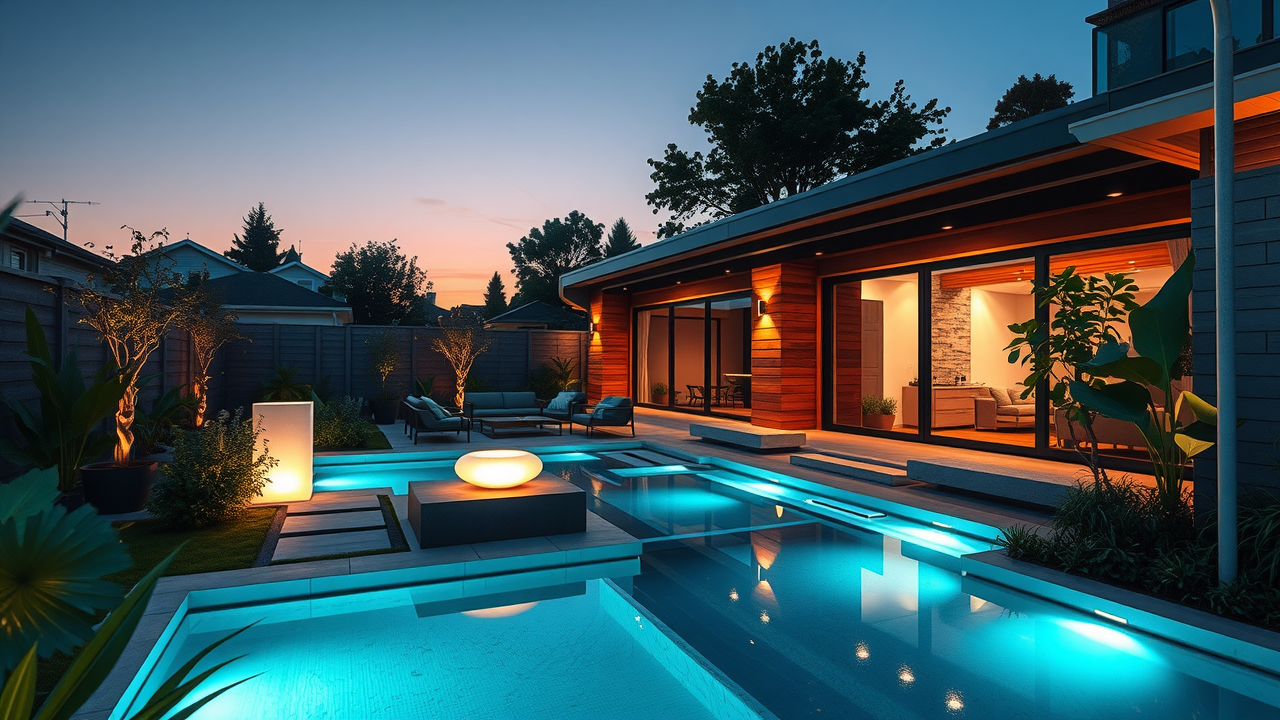
Revolutionizing Outdoor Spaces: An In-Depth Look at 2025 Outdoor Lighting Trends
The 2025 outdoor lighting trends are set to revolutionize how we experience our backyards, patios, and gardens after the sun goes down. No longer just an afterthought, outdoor lighting is now a focal point for design, blending style, sustainability, and smart technology. Homeowners and designers alike are looking far beyond basic path lights or floodlights; instead, they’re making lighting a key component in shaping the mood, usability, and beauty of every outdoor space .
As we approach 2025, innovative designs and new technologies are driving outdoor lighting trends to new heights. Imagine sophisticated systems that not only provide illumination but also adapt to your lifestyle with motion sensors, app control, energy efficiency, and seamless integration with your whole-home smart tech. Personalization is paramount; from stylish pendant and string lights to minimalist fixtures that highlight architectural elements or garden focal points, you’ll have the flexibility to tailor every aspect of your space’s vibe and function.
Outdoor Lighting: Why 2025 Is a Pivotal Year
2025 marks a turning point in outdoor lighting trends due to an increasingly connected and eco-conscious world. Advancements in smart tech and the demand for energy-efficient solutions are transforming the very foundation of lighting system design. Homeowners are seeking lighting that not only enhances security and safety but also boosts curb appeal and extends their living space outdoors. In 2025, lighting does more than merely brighten your yard—it creates ambiance, adapts to your needs, and aligns with sustainability goals.
This shift is driven by the growing role of smart home devices and the desire for homes to support both entertainment and relaxation outdoors. As devices like motion sensors and weather-resistant fixtures improve, the line between indoor luxury and outdoor functionality continues to blur. With 2025 outdoor lighting trends at the forefront, your patio or backyard can truly become a natural extension of your home that’s both intelligent and inviting.
In fact, strategic lighting not only adds security and value to your property but also helps you redefine how you use your outdoor spaces —from quiet evenings to festive gatherings. The focus on versatility makes 2025 a landmark year for those wanting to make their homes a nighttime destination.
A Startling Shift: Surprising Outdoor Light Innovations Shaping 2025
Innovation is at the heart of the 2025 outdoor lighting trends . Many homeowners are transitioning from basic LED fixtures to fully integrated smart lighting systems. Modern advancements encompass everything from solar-powered solutions that recharge during the day to lights that automatically adjust color temperature based on the time of evening. This makes for not only more beautiful spaces, but also smarter, more responsive lighting that serves both aesthetic and practical needs.
Expect to see increased adoption of interactive lighting solutions, such as motion-activated pathway lights that only illuminate when you walk by, or app-controlled spotlights that let you highlight architectural or landscape focal points with a touch. This level of personalization and adaptability offers unprecedented control over your outdoor living space , making 2025’s lighting trends both futuristic and highly practical.
By 2025, more than 60% of homeowners plan to upgrade their outdoor lighting systems to integrate smart tech and sustainable design.
For homeowners eager to take their outdoor lighting to the next level, integrating smart technology is a game-changer. If you're interested in how smart thermostats and other connected devices can further enhance your home's comfort and efficiency, explore this comprehensive guide to the best smart thermostats of 2024 and see how seamless automation can transform your living environment inside and out.
Mastering the Essence of Lighting Trends for 2025 Outdoor Lighting
With outdoor lighting design rapidly evolving, it’s essential to understand the key influences behind the 2025 outdoor lighting trends . The modern approach puts equal weight on aesthetics, technology, and sustainability—creating spaces that are as functional as they are beautiful. Whether you’re renovating your garden, updating your patio, or designing a new home from scratch, getting a handle on these trend drivers will help you make the most of your outdoor lighting investment.
The interplay of style and technology is what distinguishes 2025’s lighting trends from past years. Modern homeowners want seamless lighting systems that can be customized to suit their lifestyle and tastes, incorporate smart home features, and support environmental responsibility. This comprehensive perspective is shifting the market and design mindset, ensuring that outdoor lighting solutions serve as a true extension of your interior design philosophy.
Key Lighting Trend Drivers: Design, Technology, and Sustainability
Design: Minimalism, sleek lines, and versatile fixtures dominate the design landscape for 2025. The goal is to create a harmonious visual flow from indoors to outside, with fixtures that make a statement without overpowering natural beauty. Pendant lights, string lights, and directional spotlights are used to highlight architectural features and garden focal points, fostering a sophisticated yet inviting atmosphere.
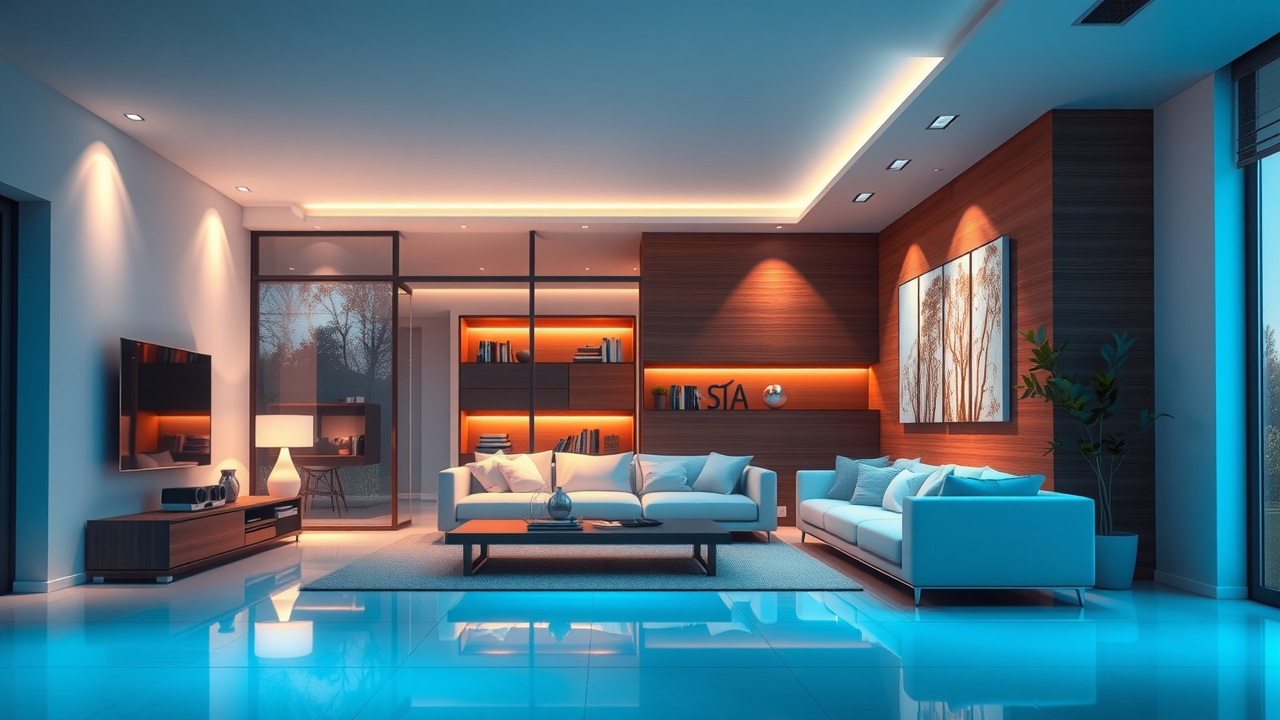
Technology: Smart lighting systems are revolutionizing how we interact with our outdoor spaces . App-connected controls, programmable scenes, and responsive lighting (including motion sensors) are now standard in high-end installations. The trend toward integration means your outdoor lighting is no longer isolated—it’s part of a larger, intelligent smart home ecosystem.
Sustainability: Sustainability is not just an afterthought. Solar-powered lights, LED fixtures, and recycled materials are at the heart of 2025 outdoor lighting trends . Energy efficiency is achieved through both material choices and smart tech, like dimmers and sensors that respond to ambient light or activity, reducing waste and lowering power bills while decreasing environmental impact.
The 2025 Outdoor Lighting Trends Impacting Modern Outdoor Light Use
Modern outdoor light use in 2025 is shaped by the need for flexible, user-friendly solutions that enhance every outdoor activity. Zones of light can be created with smart tech , so your barbecue area, lounge space, and garden paths can each receive tailored attention for task, mood, or safety lighting. The integration of programmable color changes and dimming options empowers you to design the perfect atmosphere at any time, whether it’s a quiet family evening or a lively backyard party.
Beyond aesthetics, energy-efficient systems and solar power are gaining traction. Many homeowners are adopting durable, low-maintenance lighting options that provide years of performance while reducing their carbon footprint. Future-proofing your outdoor lighting ensures your home remains on-trend—and eco-conscious—for years to come.
Ultimately, the 2025 trends highlight the importance of adaptability, technology, and design working together. Invest in a strong foundation by selecting versatile fixtures and intelligent controls to stay ahead of the curve in outdoor lighting trends .
Smart Lighting: The Heart of 2025 Outdoor Lighting Trends
Smart lighting stands at the forefront of transformative outdoor design in 2025. Integrating technology into lighting systems isn’t just about convenience—it’s about unlocking new levels of creativity, safety, and eco-responsibility. Smart outdoor lighting platforms allow you to program custom schedules or scenes, integrate weather responsiveness, and control lights remotely—all with a few taps on your phone or through voice assistance.
By creating an intelligent and responsive lighting system, you empower your outdoor areas to adapt instantly: lights can dim at midnight, turn on with the approach of a person, or shift color to match a backyard celebration. The result? A dynamic, secure, and welcoming living space ready for every moment.
Smart Tech and Outdoor Lighting Systems in 2025
The new generation of smart tech in outdoor lighting is user-friendly and highly customizable. These systems may incorporate Wi-Fi, Bluetooth, or even solar charging features, enabling you to adjust settings from anywhere. What sets 2025 apart is how these lighting solutions integrate with broader smart home platforms, like home security, entertainment, and climate systems, creating a seamless and efficient lighting system with minimal effort on your part.
Thanks to advancements in connectivity, you can now coordinate your smart lighting systems with sunrise and sunset, weather changes, or set them to respond automatically when you leave or arrive home. Motion sensors continue to play a big role in energy efficiency —only illuminating the areas required, when needed, while providing added security around your home’s perimeter.
Incorporating smart tech streamlines daily living. For example, you might schedule pathway lights to guide your way upon arrival after dusk, or use color-changing features to shift the mood for various occasions. As this technology becomes mainstream, expect to see it available in a wider range of lighting fixtures , including minimalist and decorative options.
How Smart Lighting Systems Are Transforming Outdoor Spaces
Smart lighting systems are transforming outdoor spaces by dramatically simplifying how you manage your outdoor light environment. With automation at your fingertips, you can ensure your garden is brilliantly lit for an evening gathering, or softly illuminated for winding down at night, all without manual intervention. Integration with smart home assistants also offers voice control options—so you can command your lighting without ever lifting a finger.
The transformation isn’t just about comfort; it’s also about ambiance and security. Automated lighting paths can reduce trip hazards, highlight architectural features or garden focal points, and even adjust based on the season for year-round appeal. This dynamic capability is driving the popularity of 2025 outdoor lighting trends across all types of homes, from urban terraces to sprawling suburban yards.
Ultimately, smart lighting brings accessibility and flexibility into outdoor living spaces , offering homeowners an unprecedented ability to shape the mood, ensure safety, and make a strong style statement.
Motion Sensors and Automated Lighting Fixtures
Motion sensors and automation are critical elements of the 2025 outdoor lighting trends . By integrating motion sensors , your lighting system optimizes energy use by activating lights only when movement is detected. This is especially beneficial for entrances, pathways, and less-trafficked areas, providing both energy savings and enhanced security—deterring unwanted guests and preventing accidents in the dark.
Automated fixtures expand the functionality of any outdoor space by providing light precisely when and where it’s needed. For instance, lights can automatically brighten driveways upon arrival or illuminate a garden path as you walk—offering both safety and dramatic visual effect. Programmable timers and sensitivity settings mean you can tailor responses to your specific routines and landscape.
As automation technologies advance, expect to see more adaptive, “set-and-forget” systems, reducing the need for manual controls. The shift to these intelligent solutions is setting a new standard for convenience, comfort, and sustainability outdoors.
Landscape Lighting Design: Elevating Outdoor Lighting Trends for 2025
Landscape lighting in 2025 goes far beyond basic uplights or simple garden fixtures. Today’s approach is all about creating layers of light that enhance plantings, water features, and path lights , making gardens and lawns come alive after dark. Thoughtful, tailored lighting design not only highlights focal points but also shapes spatial perception, depth, and mood in a natural, refined way.
The most successful landscape lighting solutions focus on blending form and function, ensuring the outdoors are both inviting and practical. Designers and homeowners are leveraging advances in outdoor lighting fixtures—like smart spots, adjustable beams, and solar stakes—to create immersive landscapes that evolve with the seasons.
Newest Approaches to Landscape Lighting
Layered lighting is at the heart of the 2025 landscape lighting movement. This technique involves mixing various outdoor lighting fixtures—spotlights, path lights, deck lights, and ambient lamps—to create dynamic environments. By highlighting trees, shrubs, and architectural elements with subtle, directional beams, you can develop captivating nighttime focal points throughout your outdoor area .
The emphasis in 2025 is on flexibility and control. Homeowners and professionals are increasingly deploying programmable fixtures that can be adjusted remotely or automatically, allowing your landscape lighting to change along with your garden’s growth or your event needs. Solar and low-voltage options remain popular for their easy installation, low maintenance, and improved energy efficiency.
This layered, adaptable strategy transforms how you use and enjoy your garden year-round, making lighting design a creative tool rather than a mere necessity.
Blending Lighting Design with Natural Outdoor Spaces
The most contemporary outdoor lighting solutions for 2025 are those that seamlessly blend with their surrounding environment. Rather than dominating the landscape, fixtures are designed to complement natural shapes, textures, and colors. Recessed ground lights, concealed LED strips, and subtle backlighting for water features provide both drama and discretion—making the environment, not the technology, the star of the show.
Using minimalist fixtures and soft illumination, designers evoke a sense of tranquility and organic flow. The result is a harmonious experience that accentuates garden beds, highlights stonework, and enhances water elements without overwhelming the senses. This nature-centric approach is among the most notable lighting trends of the year, perfectly suited to modern landscaping aesthetics and eco-friendly ambitions.
By taking cues from nature, today’s landscape lighting fosters a cohesive connection between the built and organic elements of any outdoor space , proving that sophisticated lighting design can be as gentle as it is eye-catching.
Energy Efficiency: Sustainable Lighting Solutions for 2025
Energy efficiency is a defining principle of the 2025 outdoor lighting trends . Eco-friendly lighting starts with energy-smart fixtures but goes further, incorporating materials and technologies that minimize resource consumption and waste. The dominance of LEDs, solar-powered lights, and low-voltage systems has paved the way for homes to shine bright while using less energy than ever before.
Sustainability in outdoor lighting comes down to two main strategies: using less power for more light and ensuring products have a minimal environmental footprint. Motion sensors, dimmers, and automated timers all support this goal, while recyclable or repurposed materials are increasingly found in both mass-market and designer fixtures.
These eco-conscious efforts help lower utility bills, reduce maintenance, and support a broader culture of environmental stewardship—all while creating beautiful, welcoming living spaces that embody the values of tomorrow.
Pendant Lights, String Lights, and Minimalist Fixtures: Trending Lighting Fixtures for 2025 Outdoor Lighting
The 2025 outdoor lighting trends are defined by innovative fixture choices that blend nostalgia, contemporary style, and minimalist design. Among the standouts are pendant lights , classic string lights , and cutting-edge minimalist fixtures—each bringing distinctive character and function to your patio, yard, or balcony. These lighting fixtures are more than mere sources of illumination; they become sculptural focal points that anchor the design of your outdoor space .
Personalization is paramount in 2025, so combining fixture types or styles has never been more on-trend, allowing homeowners to design unique, adaptable lighting systems tailored to their activities and tastes.
Pendant Lights and Their Role in Outdoor Light Trends
Pendant lights have made a striking entrance into the outdoor lighting trends of 2025. These fixtures are beloved for their ability to create focal points in dining or lounge areas, elegantly framing outdoor tables, kitchen islands, or pergolas. Available in weatherproof designs, pendant lights can withstand the elements without sacrificing sophistication or utility.
What sets pendant lighting apart in 2025 is its blend of form and function. These lighting fixtures not only provide targeted illumination for tasks or meals, but also serve as bold design statements. Choose from sleek metallic finishes, industrial-chic glass surrounds, or even minimalist geometric designs to create a nighttime focal point in your outdoor area .
Using groups of pendant lights or layering with other lighting types is a popular choice for achieving both ambiance and practicality in contemporary garden and patio settings.
String Lights: Enduring Classics Meet Modern Aesthetics
String lights are a perennial favorite in outdoor spaces —their gentle, festive glow imbues warmth and intimacy wherever they hang. In 2025, string lights are evolving with advanced LED bulbs, improved weatherproofing, and customizable color options, making them both classic and cutting-edge at once. Modern installations use delicate wire or filament bulbs for a minimalist vibe while still echoing the charm of old-world festoons.
Twining around pergolas, draped along fences, or suspended above eating areas, string lights offer effortless versatility and instant ambiance. Smart home compatibility and programmable patterns allow you to customize lighting effects for every occasion—from romantic dinners to lively celebrations under the stars.
The enduring popularity of string lights proves that some lighting solutions never go out of style—especially when paired with new technology and thoughtful design.
Minimalist Fixtures and Advanced Lighting Design
Minimalist fixtures have become a cornerstone of 2025’s lighting aesthetic, blending sophisticated simplicity with high-tech performance. Think slim LED panels, flush-mount sconces, or nearly invisible in-ground uplights—all designed to provide subtle illumination without cluttering sight lines or competing with nature. These streamlined fixtures keep the focus on your landscaping, patio furniture, or architectural features.
This trend toward minimalism reflects broader design influences, with more homeowners seeking functional beauty and elegance in their outdoor lighting . Advanced controls, such as remote dimming or color tunability, add high-tech flair while preserving a clean, modern profile throughout your living space . Minimalist lighting is an ideal solution for those desiring a sophisticated, contemporary look that doesn’t distract from the tranquility of the outdoors.
Combining minimalist fixtures with layered lighting approaches—integration with smart lighting , for example—yields the ultimate in custom-tailored ambiance and convenience.
Combining Lighting Fixtures for a Customized Outdoor Lighting System
Curating a variety of lighting fixtures is one of the most defining lighting trends for 2025. Homeowners are encouraged to personalize their outdoor environments by mixing pendant lights for drama, string lights for romance, and minimalist fixtures for sophistication. This curated approach allows each area of your outdoor space to perform a specific role—whether that’s illuminating dining, accentuating plants, or providing pathway guidance.
Custom systems can now be easily automated through smart controls, letting you transition between zones or moods with a tap or voice command. Integrating diverse fixture types can also make maintenance and upgrades simpler, as you adapt your design over time. The result is a tailor-made system that aligns perfectly with your lifestyle, design goals, and practical needs, ensuring your home is both beautifully illuminated and highly functional.
Personalization is the driving force behind these trends: the right combination of fixtures and technologies will guarantee your outdoor lighting is both on-trend and uniquely your own.
The Convergence of Interior Design and Outdoor Lighting Trends in 2025
The boundary between interior and outdoor design is rapidly fading thanks to the integrated approach of 2025 outdoor lighting trends . Today’s homeowners want fluid transitions from living room to backyard—achieved through consistent styles, materials, and technologies. Lighting designers are applying interior design principles, such as layering, mood creation, and decorative accents, to exterior spaces, blurring distinctions in the pursuit of holistic home aesthetics.
How Interior Design Principles Guide Outdoor Lighting Solutions
Modern lighting solutions are inspired by the same techniques used inside our homes. Layered lighting (ambient, accent, and task), zones for specific activities, and the use of fixtures as focal points all stem from interior design. In 2025, seamless indoor-outdoor flow is achieved with matching fixture styles, color palettes, and coordinated controls that link rooms to gardens, patios, and decks without design interruption.
This integration creates a larger, unified living space—perfect for entertaining, relaxing, or simply enjoying the beauty of your home after dark. By using consistent design elements, you effortlessly extend the luxury and comfort of your interior to your exteriors, resulting in homes that feel spacious, welcoming, and harmonious.
The embrace of interior design techniques outdoors confirms that the most memorable homes delight both day and night, inside and out.
Smart Lighting Trends Bridging Indoor and Outdoor Spaces
As smart lighting grows more sophisticated, its ability to span both indoor and outdoor spaces becomes transformative. Devices and platforms are designed for seamless handoff—so as you move from your living space to your backyard, the lighting adjusts in mood and brightness, welcoming you or your guests with a continuous, inviting effect. This connectivity helps ensure lighting across your home supports well-being, convenience, and visual appeal at every step.
By bridging inside and outside, homeowners can create impactful moments—perhaps spotlighting a garden view from the living room, or softly lighting a patio to mirror a cozy reading nook. These flexible, programmable systems offer the epitome of custom comfort in the world of lighting trends .
The trend is clear: home is no longer just four walls, and neither is great lighting design .
Expert Perspectives: Anticipating Future Outdoor Lighting Trends
Lighting professionals anticipate an era of rapid innovation beyond 2025, as homeowners seek even greater integration, intelligence, and ecological responsibility in outdoor illumination. Those keeping pace with the trends today will find themselves prepared for the dynamic and adaptive lighting solutions of tomorrow, ensuring long-term style and value in every project.
"2025 will mark a significant evolution in outdoor lighting trend adoption, with smart, energy-efficient solutions taking center stage." – Leading Lighting Designer
Forecasting Lighting Trends Beyond 2025
So what does the future hold past 2025? The consensus among experts is that AI-driven dynamic lighting systems are on the horizon, further personalizing outdoor environments using sensors and predictive programming. These next-generation solutions will be able to adjust to user habits, weather, and even mood—blurring the line between design, lifestyle, and environmental consciousness.
Expect advances in bio-adaptive lighting (matching natural circadian rhythms) and lighting tightly aligned with eco-landscaping initiatives, supporting biodiversity and minimizing light pollution. The focus will increasingly be on holistic, healthy illumination that benefits both people and the planet.
Staying informed and adaptable remains essential as these transformative technologies begin to arrive in mainstream outdoor lighting design.
Lighting Systems Integration: 2025 and the Years Ahead
Looking ahead, integration is the name of the game for modern lighting systems . By merging your outdoor lights with security, climate, and entertainment platforms, you create a responsive home tailored to your unique needs. Advances in wireless technology and user-friendly apps ensure that managing even the most sophisticated systems remains straightforward and enjoyable.
Expect a surge in modular, upgradable components, allowing homeowners to expand, reconfigure, or update lighting solutions as trends and technologies change. This flexibility is critical in building outdoor environments that are as future-proof as they are stunning.
The era of static, disconnected lighting is over—forward-thinking design means your outdoor spaces will stay vibrant, safe, and sustainable for years to come.
Practical Guidance: Choosing Outdoor Lighting Solutions Aligned with 2025 Outdoor Lighting Trends
Selecting lighting solutions for your outdoor spaces in 2025 means combining visual appeal, smart features, sustainability, and simple operation. The best approach is to assess your unique needs—consider architectural features, plantings, traffic patterns, and preferred activities to identify key lighting zones. This ensures a lighting system that works for your lifestyle and highlights your home’s distinctive character.
With countless options available, focus on fixtures and controls that offer both immediate and long-term benefits. Durability, energy efficiency, and adaptability should be top priorities. Don’t shy away from mixing pendant lights , string lights , and minimalist fixtures for a customized look—these combinations create layers of light that delight at every hour.
Assessing Your Outdoor Space for Trend-Driven Lighting Solutions
Begin by walking through your outdoor area at night and noting poorly lit zones, safety concerns, or missed focal points. Think about how you want each space to function after dark—do you need bright task lighting for serving dinner, gentle pathway lights for safety, or soft mood lighting for relaxation? Map out your lighting “zones,” considering driveways, entrances, walkways, patios, and property edges for comprehensive coverage.
Once you’ve identified your priorities, match them to the latest outdoor lighting trends : smart controls for busy households, solar-powered path lights for sustainability, or dramatic pendant lights for gathering spaces. By taking a holistic approach, you’ll invest in lighting solutions that align perfectly with both your current needs and future trends.
Consider enlisting a professional designer if you’re tackling a full-yard transformation—they’ll help leverage the latest innovations for stunning, on-trend results.
Selecting Lighting Fixtures and Lighting Systems for Lasting Impact
When selecting lighting fixtures and systems, prioritize designs that offer both durability and aesthetic flexibility. Look for products with weatherproof ratings suitable for your region’s climate, and opt for modular or upgradable lighting systems that allow for future expansion as trends evolve. Smart-enabled options are ideal for easy upgrades and day-to-day convenience, ensuring your system never feels out of date.
Think creatively about mixing fixture styles—combining the sculptural drama of pendant lights with the warmth of string lights and the sophistication of minimalist sconces or ground lights. These combinations not only meet practical needs but provide a layered, designer look. Advanced controls and reliable automation will keep your system easy to manage year-round, while eco-conscious features bring peace of mind as well as style.
Remember, thoughtfully chosen fixtures amplify your home’s personality and provide enduring value.
Installing Outdoor Lighting: DIY Tips and When to Hire a Professional
Many modern outdoor lighting solutions are designed for DIY installation, especially solar and low-voltage options. Begin by carefully marking fixture locations and following product instructions for mounting and wiring. Use waterproof connectors and bury cables securely to prevent hazards. Always test each component upon installation to ensure functionality and safety.
However, for complex systems—such as those integrating smart tech , extensive wiring, or co-coordinating multiple fixture types—it’s wise to enlist a licensed electrician or landscape lighting professional. Their expertise ensures not only safe and correct installation, but also maximum performance from your investment. In particular, whole-yard smart lighting systems and connections to grid power should always be handled by professionals to maintain warranty coverage and comply with local codes.
A blended approach works well for many homeowners: tackle upgrades in phases, starting with DIY-friendly fixtures, then consult a pro for advanced integration and design finesse.
People Also Ask: Answering Common Questions on 2025 Outdoor Lighting Trends
What lighting is in style for 2025?
Detailed Answer: Discover the predominant styles—eco-friendly LED fixtures, smart motion sensors, and streamlined minimalist designs are defining 2025’s outdoor lighting trends.
The 2025 outdoor lighting trends put smart systems, sustainability, and clean minimalism center stage. Expect significant use of app-controlled LEDs, motion sensor security lights, and sleek, unobtrusive designs that blend seamlessly with contemporary architecture and landscaping. These styles offer versatile functionality and energy savings while promoting an uncluttered, modern aesthetic for every outdoor space .
What is the trend in lighting in 2026?
Detailed Answer: While 2025 outdoor lighting trends focus on smart automation and sustainability, 2026 projections suggest a rise in adaptive, AI-driven dynamic lighting solutions and deeper integration with eco-landscaping.
Looking ahead to 2026, experts forecast a continued push toward fully adaptive, AI-powered lighting that personalizes environments based on behavior and conditions. These advances will be coupled with lighting designed to support biodiversity and maintain “dark sky” ethics, minimizing light pollution and supporting healthier outdoor environments for both people and wildlife.
What are the lighting trends for kitchen islands 2025?
Detailed Answer: For outdoor kitchen islands in 2025, expect to see multi-layered pendant lighting and energy-efficient task lighting fixtures that blend both form and function.
For outdoor kitchen islands, the dominant trend is statement-making pendant lighting paired with focused, energy-efficient task lights. These fixtures provide both visual drama and practical illumination for food prep, dining, and entertaining, often matched to the sleek, minimalist style embraced in modern patio design. Smart dimming features and remote operation add maximum flexibility to these crucial outdoor workspaces.
What is the future of lighting?
Detailed Answer: The future centers on interconnected smart lighting systems, sustainable materials, increased personalization, and seamless integration with home automation platforms.
Lighting’s future is bright, driven by advances in smart technology, sustainability, and design customization. Homes will increasingly feature fully connected systems where lights respond to routines, mood, and even health needs—all while using less energy and maximizing recyclability and material longevity. Seamless coordination between indoor and outdoor lights ensures holistic convenience, comfort, and style.
Frequently Asked Questions About 2025 Outdoor Lighting Trends
How can I update my current outdoor lighting to follow 2025 trends?
You can start by replacing outdated fixtures with energy-efficient LEDs, integrating smart controls for automation, and adding motion sensors where needed. Layer in string or pendant lights for flare, and choose minimalist designs to upgrade your overall look. Consider solar or low-voltage options for areas where running electricity is difficult or costly.
What are the benefits of switching to smart lighting systems for my outdoor space?
Smart lighting systems offer convenience, security, and energy efficiency. You’ll be able to control your outdoor lights from anywhere, schedule routines for different activities, and automate responses to motion or sunset. These advanced systems provide personalized ambiance, lower utility bills, and enhanced safety for your family and property.
Are sustainable outdoor lighting solutions more expensive?
While initial costs for sustainable outdoor lighting solutions —such as solar or high-quality LEDs—can be higher than conventional products, you’ll typically save money in the long run. Energy-efficient operation reduces your power bills and maintenance needs, and many products now come in affordable, accessible designs for DIY installation.
Can professional installation make a difference for advanced lighting systems?
Absolutely. A qualified professional ensures correct wiring, optimal placement, and integration with both smart home and security systems. They help avoid common pitfalls, provide creative design insight, and guarantee your system meets safety standards—maximizing performance, longevity, and value from your investment.
Key Takeaways to Guide Your Outdoor Lighting Decisions for 2025
-
Embrace smart lighting and automation for convenience, flexibility, and security in every outdoor space .
-
Choose sustainable, energy-efficient options—like LEDs and solar-powered fixtures—to support both style and environmental stewardship.
-
Blend fixture types (pendant, string, minimalist) for layered, personalized landscapes that highlight focal points and activity zones.
-
Integrate lighting design with your interior and landscape architecture for seamless indoor-outdoor living.
-
Stay ahead by investing in adaptive systems that are modular and future-ready for years beyond 2025.
Embrace the Future: Explore 2025 Outdoor Lighting Trends to Transform Your Outdoor Space
Dive into 2025 outdoor lighting trends now to elevate your home’s curb appeal, safety, and nighttime ambiance—empowering you to make your backyard the place everyone wants to be after dark!
If you’re inspired to create a seamless connection between your home’s interior and exterior, there’s a world of design strategies and expert advice waiting for you. Discover more about integrating style, technology, and comfort throughout your living spaces by exploring our collection of interior design and styling tips . Whether you’re planning a full renovation or simply want to refine your home’s ambiance, these insights will help you achieve a cohesive, future-ready environment that truly reflects your vision. Take the next step and unlock the full potential of your home—inside and out.




Write A Comment