


Did you know: Gardens that receive winter preparation are up to 60% more productive and resilient the following spring compared to those left unattended? While many gardeners put away their tools in December, your yard—and especially your vegetable garden—will thank you for tackling a few winter tasks now. Creating and following a December gardening checklist not only protects your plants during cold snaps but primes your garden beds for lush, early spring growth. This article delves into why these actions matter, offers ten expert-backed tasks, and reveals how even a San Diego winter can be leveraged for gardening success.
Start Your December Gardening Checklist: Surprising Facts About Winter Preparation
- Studies show that up to 75% of vegetable garden losses in spring are traced back to lack of winter preparation such as debris clean-up, pruning, and soil testing.
Initiating your December gardening checklist early can be transformative—especially for your vegetable garden and overall yard health. As the ground cools, pests and diseases seek shelter in leftover debris, while perennial beds and fruit trees settle in for dormancy. By focusing now on sanitation, frost protection, and soil amendments, you equip your yard to endure winter’s challenges and emerge vibrant when the sun returns. This is particularly impactful in San Diego and other mild climates, where winter tasks extend your growing season and pave the way for an abundant spring, even while photos after this ad might tempt you to postpone outdoor chores.
While preparing your garden for winter, it's also wise to consider how moisture and seasonal weather can impact your home's foundation. For practical tips on protecting your property from excess water and ensuring long-term stability, explore these key strategies for waterproofing your concrete foundation at this homeowner’s guide.
What You'll Learn From This December Gardening Checklist
- Discover the essential December outdoor gardening tasks that professionals rely on for year-round garden success
- Learn proven techniques for safeguarding your vegetable garden in winter and protecting your perennials, fruit trees, and garden beds
- Absorb expert advice tailored to both cold and mild climates, including San Diego, for a flourishing spring garden
- Understand the science behind how each checklist step prevents problems before the growing season even starts
Why a December Gardening Checklist Matters for Every Yard
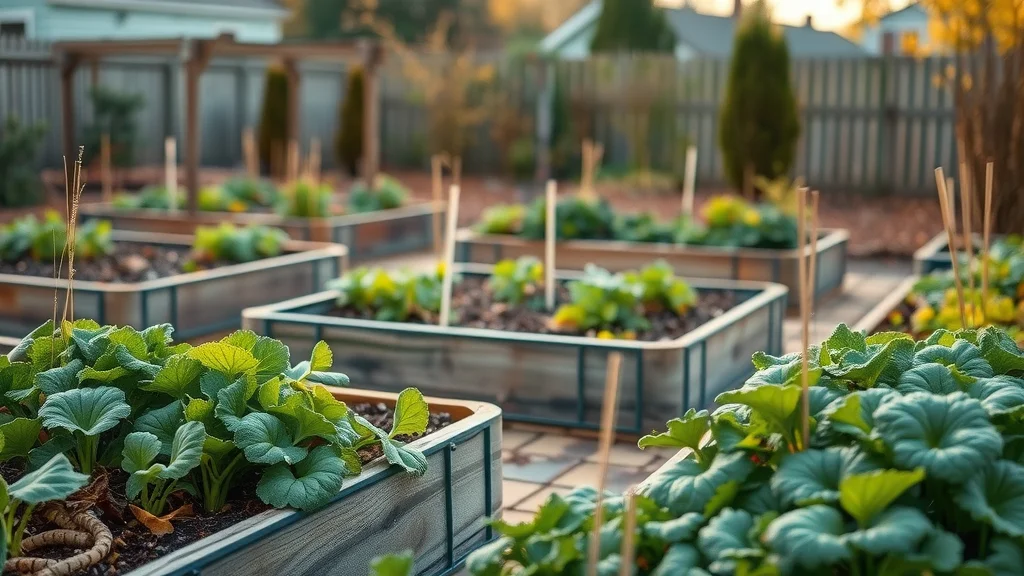
A proactive December gardening checklist will significantly enhance plant health, boost disease prevention, and deliver optimal soil conditions for early spring planting. By focusing on preventative maintenance now, you reduce persistent issues like wet soil compaction, pest populations, and the spread of pathogens in your vegetable garden and across your landscape.
December in San Diego and similar climates doesn’t bring heavy snow, but the region’s rainy season and chilly nights still affect soil moisture and plant health. Tender crops and fruit trees remain susceptible to sudden frosts, while garden beds left cluttered become havens for overwintering pests. Implementing a winter checklist also means you’re less likely to miss important tasks—each designed to ensure your plants, from evergreen trees to bulbs, survive the long winter and are ready for explosive growth come the first sunny days of spring.
The 10 Essential Tasks on Your December Gardening Checklist
- Clean up and remove garden debris to reduce pests and diseases
- Prune dormant trees, perennials, and shrubs
- Protect delicate plants from frost in your vegetable garden and flower beds
- Mulch beds to conserve moisture and moderate ground temperature
- Compost fall leaves and organic waste for next season
- Inspect and maintain garden tools
- Plan next season’s planting strategy, especially for San Diego climates
- Direct-sow or plant winter crops where appropriate
- Address hardscaping repairs before the spring rush
- Test soil and amend as needed to support spring plantings
Need a visual aid? Watch as an expert gardener walks through each December gardening checklist task in a Southern California backyard. See exactly how to clean up beds, prune, mulch, maintain your tools, and maximize your vegetable garden’s winter potential—tailored to San Diego’s unique climate challenges.
Task 1: Cleaning Up the Garden – First Step in the December Gardening Checklist
Why debris removal matters for vegetable gardens
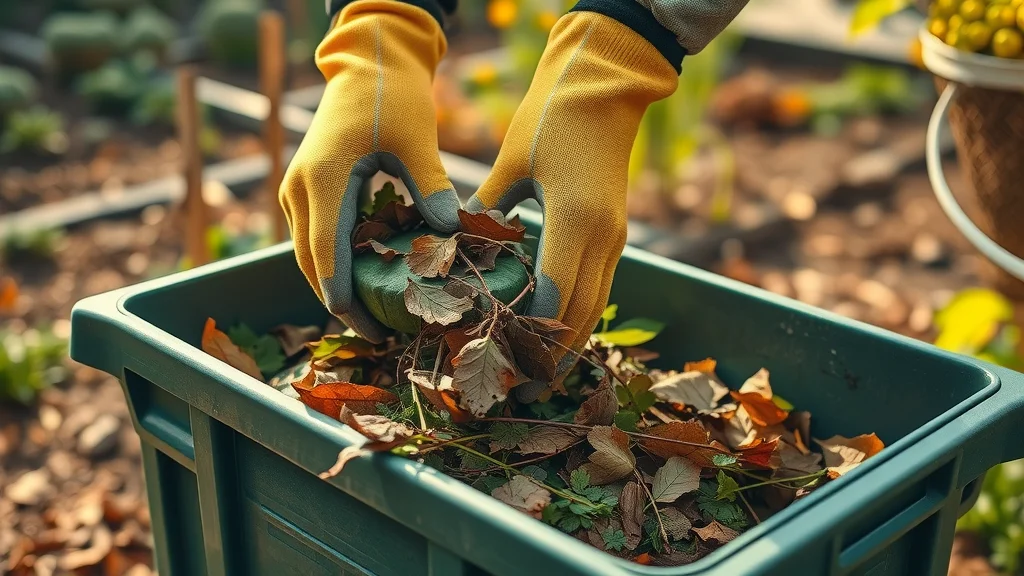
Leaving debris—such as dried stems, fallen leaves, and withered annuals—on your garden beds throughout the winter can create the perfect hiding spots for pests and pathogens. These unwelcome guests linger in the damp, wet soil beneath the clutter, ready to emerge and feast once temperatures warm in early spring. In your vegetable garden, especially, overwintering insects or fungal spores can devastate young seedlings and reduce your springtime yield. Removing debris is an effective form of winter protection and disease control, and gives you a head start on garden health for the year ahead. Debris is best cleared before heavy rain or occasional snow and ice events, which can pack organic waste into soil and make cleanup more difficult. Thoroughly cleaning garden beds is a critical first step, ensuring a clean slate for all your December gardening checklist items that follow.
Task 2: Pruning Dormant Plants and Winter Tree Care
Best practices for pruning in San Diego's winter climate
Careful pruning during dormancy—especially for fruit trees, shrubs, and perennials—promotes healthy spring growth and reduces the risk of branch breakage and winter disease spread. In San Diego or similar climates, it’s time to prune deciduous trees and shrubs after their leaves drop, focusing on removing dead, damaged, or crossing branches. For evergreen trees and shrubs, light shaping is possible, but heavy pruning should be avoided unless absolutely necessary. Always use clean, sharpened pruning tools to minimize injury and spread of infection. Special attention should be paid to fruit trees: thinning crowded areas and eliminating old fruit can prevent disease. Since the ground freezes less often in mild climates like San Diego, roots continue to grow, making winter care vital for longevity. Not only does this step enhance air circulation and sunlight penetration, it’s crucial for gardens aiming to transition seamlessly from winter to spring.
Task 3: Protecting Plants From Frost Using Your December Gardening Checklist
Frost protection strategies for vegetable gardens
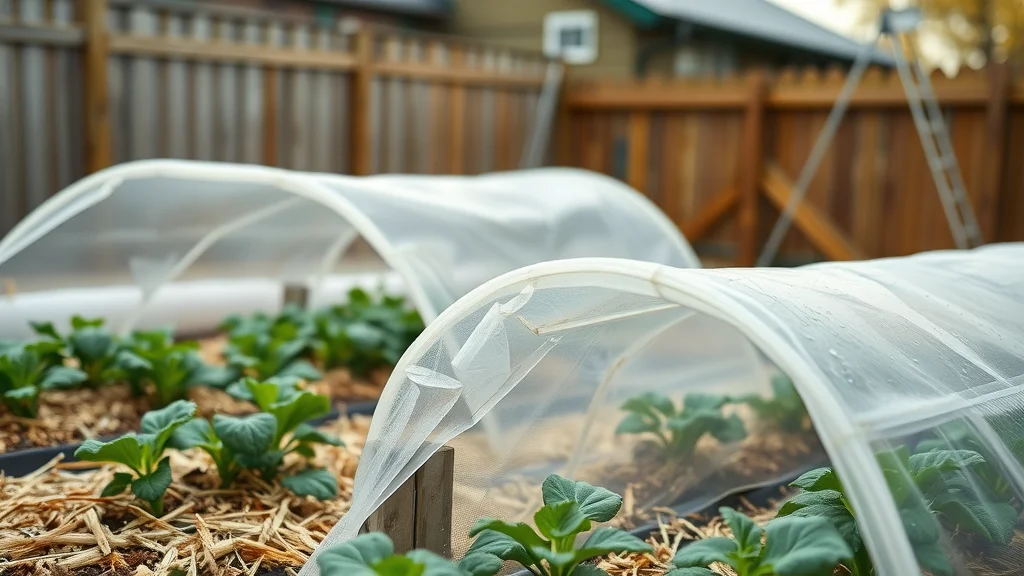
- Row covers: Lightweight fabric shields that trap heat and block frost from settling on tender plants and young vegetable crops.
- Mulching: Applying a thick layer of straw, leaves, or compost helps insulate soil, maintaining more stable soil moisture and temperature around roots.
- Cloche usage: Individual plastic domes or glass jars placed over precious seedlings offer targeted, portable protection during unexpected cold snaps or snow and ice events.
Frost threatens not just your vegetable garden but all unprotected plants. December is the month to keep holiday decor out of garden beds and swap it for protective layers. Start by monitoring weather updates closely in San Diego, and always have your materials ready. Remember, even a light frost can set back leafy crops or bloom-timed bulbs such as the amaryllis bulb. Mulching—through straw or leaves—combats daily temperature swings and helps keep soil workable for early spring plantings, while also conserving valuable moisture during the dry winter weeks. For gardeners experimenting with new plant varieties, using a combination of row covers and cloches can provide the safest outcome for delicate additions to your garden.
Task 4: Mulching Beds – A Key December Gardening Checklist Step
Mulching in December might be the single most powerful tool for moderating temperature extremes in San Diego’s unpredictable winter. By covering your garden beds and vegetable patches with compost, leaf litter, or aged bark, you lock in warmth and moisture while preventing sudden swings that hurt root systems. Mulch not only blankets your soil during cold, windy, or rainy days, but it also introduces valuable organic matter into beds as it decomposes—supporting better structure and fertility in the coming planting season. In regions that rarely see heavy snow but experience chilly nights and daytime warmth, mulch is essential. It also discourages weed germination and ensures rain can absorb gently, avoiding puddles or root rot from wet soil. Your vegetable garden will continue to grow strong roots under this layer, quietly preparing for the rush of spring.
Task 5: Composting In December – Feeding Next Season’s Vegetable Garden
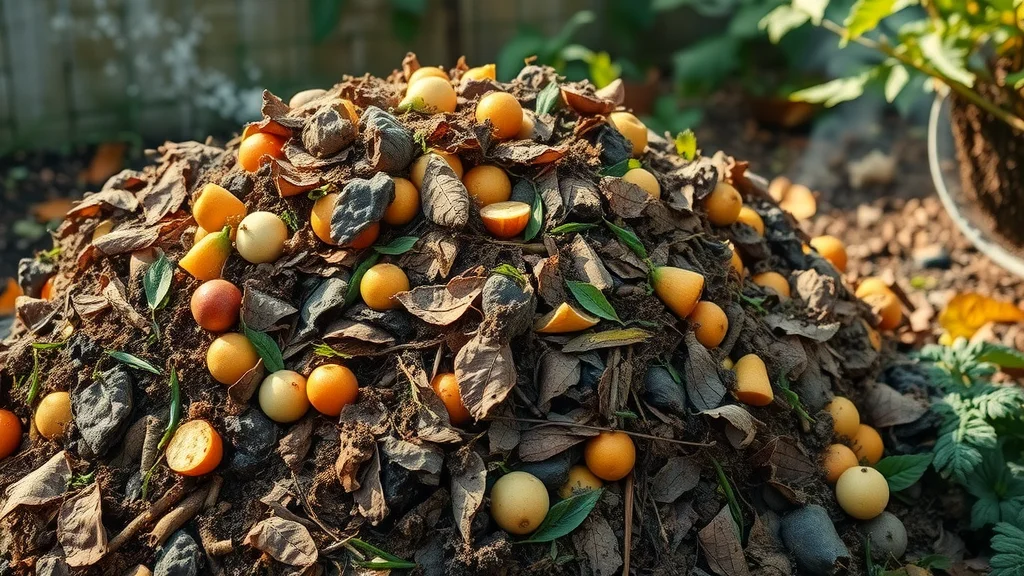
- What to compost in winter: Add fallen leaves, spent vegetable plants, fruit scraps, coffee grounds, and even small pieces of holiday decor (such as natural wreaths), avoiding diseased material or meat products.
- Composting do’s and don’ts for December: Turn the pile to introduce oxygen, balance “greens” (kitchen scraps) with “browns” (dried leaves), and cover compost to protect against excess rain. Avoid adding too much moisture, which leads to wet soil and odor issues.
The magic of composting in winter is that even on cool, short days, heat builds up in the core of an active pile. In San Diego and similar climates, active compost can continue to grow nutritious even in the low 50s Fahrenheit. By using your December gardening checklist to add material and check on the pile, you ensure a healthy supply of compost for starting seeds and enriching beds early in the spring. Keep an eye out for amaryllis bulbs or forgotten holiday plants—they can be composted as they fade, closing the garden’s resource loop.
Task 6: Garden Tool Maintenance and Storage Tips
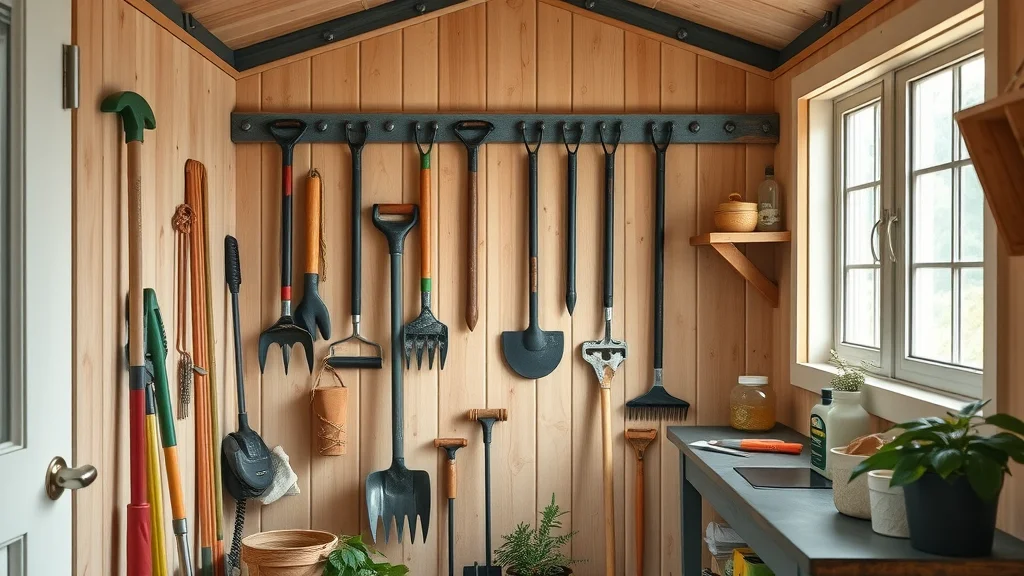
Well-maintained tools make spring gardening easier and safer. As part of your December gardening checklist, sets aside time for deep cleaning: scrub soil from shovels, use steel wool to de-rust, and sanitize tools with a bleach solution to stop the spread of disease. Sharpen blades and shears to reduce injury to plants and yourself. Finally, oil metal components to prevent corrosion during the long winter. Store everything in a dry, organized space—preferably hung along a wall or in a neat rack—so tools are easy to find and ready for action when spring arrives. This investment pays off in healthier cutting, fewer broken handles, and less scrambling when those first warm, sunny days tempt you outside.
Task 7: Planning Your Spring Vegetable Garden Now
- Crop rotation ideas: Move crops around your vegetable garden beds to reduce soil-borne pests and diseases.
- Seed selection: Choose varieties best suited to your regional climate; for San Diego, this includes heat-tolerant lettuces, tomatoes, and peppers that can be started from seed indoors or directly in beds.
- Scheduling your planting calendar: Map out sowing and transplant dates to maximize garden output; in mild climates, the window opens earlier than you think!
Winter is the ideal time to dream for the new garden year. By incorporating planning into your December gardening checklist, you harness excitement while ensuring your vegetable garden is both efficient and disease-resistant. Lay out the shape of new beds, research companion planting, note successes from last season, and order seeds for early spring starts. A detailed calendar is especially valuable in San Diego, where winter and spring blend and allow gardeners to squeeze in extra plantings while the rest of the country waits for the ground to thaw. Plan where you’ll add beauty—maybe poinsettia plants or amaryllis bulbs left over from holiday displays—in your landscape too!
Task 8: Winter Planting Options – What to Sow According to the December Gardening Checklist
December offers surprising opportunities to plant, especially in frost-free regions or those with mild winters like San Diego. You can direct-sow cool weather vegetables such as garlic, onions, broad beans, peas, and leafy greens. Ornamental bulbs—including tulips, daffodils, and amaryllis bulbs—can be set out in beds or containers for spring color. For those in colder climates, forcing bulbs indoors is a wonderful way to add to your garden’s beauty. When following your December gardening checklist, always adapt your planting choices to your region’s lowest average temperatures and be mindful of potential snow and ice. Start seeds indoors for tomatoes, peppers, and eggplants if you want a head start on the early spring rush.
Expert tip: 'Some of the most successful spring vegetable gardens start with strategic winter plantings,' says a local San Diego horticulturist.
Task 9: Hardscaping Repairs and Landscape Updates
Winter downtime is perfect for tackling necessary repairs to paths, raised beds, trellises, arbors, and fences. Check for damage caused by snow, ice, or holiday decor installations, and use hardware cloth to shore up beds or protect trunks from gnawing pests. Simple upgrades now—such as new edging, resurfaced patios, or expanded vegetable beds—save time and stress when spring arrives. Consider adding extra supports to fruit trees or replacing worn garden bed liners. With less pressure from fast-growing plants, you have time to get creative and add lasting value to your yard and garden spaces.
Task 10: Soil Testing and Amendment – The Final Step in Your December Gardening Checklist
- Why winter soil tests are vital: Testing now gives you the data you need to amend beds before the next planting rush. You can assess pH, nutrients, and organic matter content, catching issues from past seasons of wet soil or fertilizer overload.
- Best amendments for vegetable garden success in San Diego: Compost, worm castings, aged manure, and balanced minerals help counteract nutrient leaching during the rainy season and restore vitality to produce-centric beds.
By testing and improving your soil in December, you unlock next year’s potential. San Diego gardeners will want to focus on balancing slightly alkaline soils and building organic matter for continued resilience during dry spells. If you keep up with this vital December gardening checklist item, your spring seedlings will thrive from day one.
December Gardening Checklist Table: Task Timeline and Tools
| Task | Recommended Date | Required Tools | Tips for Vegetable Gardens | San Diego-Specific Advice |
|---|---|---|---|---|
| Clean up debris | Early December | Gloves, rake, compost bin | Remove diseased material first | Tackle before rainy season peaks |
| Prune dormant plants | Mid-December | Pruning shears, saw | Cut just above dormant buds | Focus on fruit and citrus trees |
| Frost protection | During cold spells | Row covers, mulch, cloches | Cover young seedlings and leafy crops | Use light mulch if threat is mild |
| Mulch garden beds | Mid to late December | Rake, mulch, wheelbarrow | Maintain 2-3 inch layer | Refresh mulch on perennials |
| Compost fall waste | All month | Compost bin, pitchfork | Balance greens and browns | Turn pile if weather is dry |
| Maintain tools | Late December | Brush, sharpening stone, oil | Sanitize to prevent disease | Store tools in dry shed |
| Plan spring garden | Late December | Notebook, catalogs, calendar | Map garden, record crop rotation | Order seeds early for longer season |
| Winter planting | All month, region-dependent | Hand trowel, seeds/bulbs | Sow garlic, onions, greens | Direct sow as weather allows |
| Hardscape repairs | Throughout winter | Hammer, saw, hardware cloth | Check for wobbly trellises, paths | Use off-season for major projects |
| Soil testing & amendment | Late December | Soil test kit, compost | Amend based on test results | Focus on organic matter for dry season |
People Also Ask: December Gardening Checklist Edition
What is the 70/30 rule in gardening?
The 70/30 rule in gardening recommends dedicating 70% of your garden space, time, or efforts to tried-and-true crops or maintenance strategies, with the remaining 30% reserved for experimentation—such as testing new varieties or innovative methods. This balance keeps your vegetable garden reliably productive while allowing for growth, discovery, and greater resilience every year.
What is the 3-hour gardening rule?
The 3-hour gardening rule offers a simple, effective time management system: spend at least three focused hours per week on your December gardening checklist, and you'll set a strong foundation for a healthy and abundant garden come spring. By consistently dedicating this amount of time, you avoid backlogs and can more easily adapt to changing winter and early spring conditions.
What is the 3 year rule in gardening?
The 3 year rule in gardening advises giving perennial plants, fruit trees, or new garden beds a minimum of three years to establish and mature before making big changes or expecting peak productivity. This patience is essential when following a December gardening checklist for perennials—roots strengthen and adapt below ground even when visible growth seems slow, leading to greater long-term yields.
Is there anything you can plant in December?
Absolutely—you can plant a range of cold-tolerant vegetables like garlic, onions, broad beans, and hardy greens in December, especially in mild climates like San Diego. Depending on your winter conditions, bulbs and certain flowers can be added to your garden beds or containers, and seeds can be started indoors for early spring transplanting. Regional adaptation, as outlined in your December gardening checklist, is key to success.
Looking for rapid, actionable tips? Check out our brief video series where expert gardeners address these common December gardening checklist questions—each segment includes clear, step-by-step answers for both beginners and seasoned growers, especially those working with a San Diego vegetable garden.
December Gardening Checklist: Frequently Asked Questions
- Should I fertilize my vegetable garden in December?
- How can I prepare my soil for spring planting?
- Is it necessary to water plants in winter?
- Can I prune fruit trees and roses at this time?
- What should I do if frost is forecast?
Key Takeaways: December Gardening Checklist Essentials
- Proactive December tasks make spring gardening easier.
- A maintained vegetable garden in December prevents springtime issues.
- Adapting your checklist to your local climate, like San Diego, maximizes results.
Quotes from Garden Experts on the December Gardening Checklist
'Completing your December gardening checklist sets the stage for a vibrant spring garden.' – Leading horticulturist
'Don't underestimate the value of winter soil care for your vegetable garden.' – Garden soil specialist
Your Next Steps: Download Our Printable December Gardening Checklist
Stay organized and set your vegetable garden up for spring success—download our comprehensive December gardening checklist today!
Taking early action with your December gardening checklist will ensure your yard, vegetable garden, and landscape burst to life when spring arrives.
If you’re looking to take your home and garden care to the next level, consider how your outdoor efforts connect with the overall health of your property. Beyond preparing your garden for spring, safeguarding your home’s foundation from winter moisture is a smart, long-term investment. Discover how integrating effective waterproofing strategies can protect your concrete foundation and support a thriving landscape for years to come by visiting our in-depth homeowner’s resource. Proactive planning now means a more resilient, beautiful, and valuable home environment in every season.
To enhance your December gardening efforts, consider these expert resources:
-
“December Gardening Checklist” by Preen offers a comprehensive guide on winter garden maintenance, including tips on protecting plants from frost and planning for the upcoming season. (preen.com)
-
“Gardening Job Checklists - December” from BBC Gardeners’ World Magazine provides a detailed list of tasks to keep your garden thriving during the winter months, such as pruning advice and indoor plant care. (gardenersworld.com)
These resources offer valuable insights to ensure your garden remains healthy and prepared for a vibrant spring.

Write A Comment