


Did you know: A whopping 70% of hydrangea bloom losses are traced back to mistakes made during the winter months? If you want to enjoy lush, beautiful hydrangeas next summer, now is the time to learn exactly how to get winter hydrangea care tips right. In this comprehensive guide, you’ll discover actionable steps and expert insights designed to help your hydrangea bushes not just survive the cold, but thrive and burst with color when the weather warms.
Startling Stat: Most Hydrangea Losses Occur from Improper Winter Care—Learn to Protect Your Blooms
It’s more common than you think: Most gardeners lose their hydrangeas not because of pests or disease, but due to improper winter care. Research reveals that up to 70% of hydrangea losses in home gardens result from failing to protect flower buds and roots against harsh winter temperatures, wind, or fluctuating freezes. These critical months shape whether you’ll see beautiful flowers bloom on old wood or only sparse greenery.
Understanding winter hydrangea care tips is crucial if you’re aiming for big, colorful blossoms. From the correct mulching methods to the right moment for cutting back hydrangea bushes, small details make the difference between vibrant blooms and frost-damaged disappointment. Below, we break down essential winter care to ensure your hydrangeas thrive—even after a hard winter.
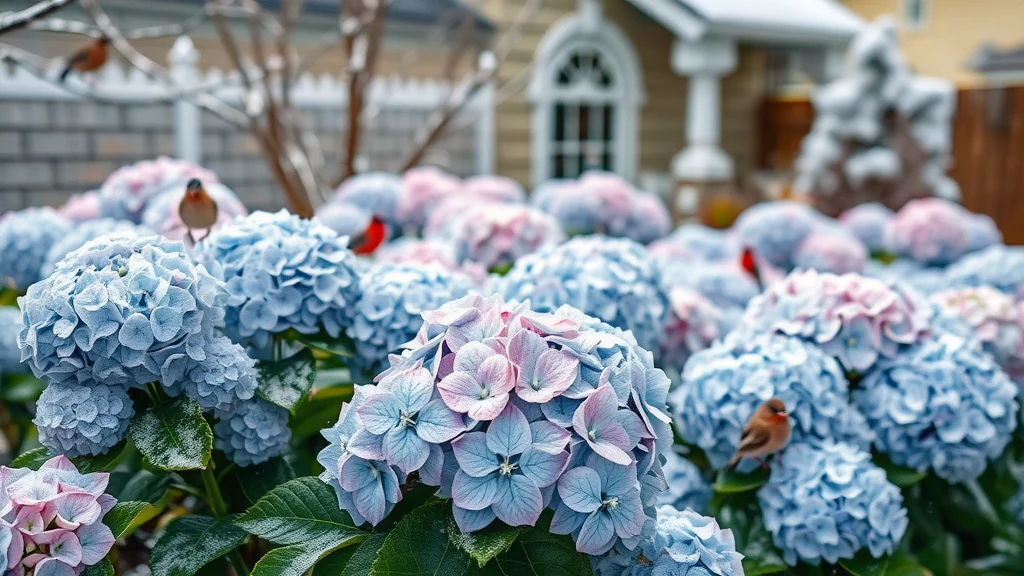
What You'll Learn in This Guide to Winter Hydrangea Care Tips
- Why winter hydrangea care tips are crucial for healthy blooms
- Specific winter care strategies tailored to types of hydrangea
- Expert advice on preserving your blue hydrangea’s vibrant color
- How to apply the 1 3 rule for hydrangeas through the winter
- Answers to the most common winter hydrangea care questions
Why Winter Hydrangea Care Tips Are Critical for Beautiful Flowers
If you aspire to enjoy beautiful flowers and magnificent hydrangea blooms in your garden, winter care cannot be overlooked. Proper winter hydrangea care tips serve as the foundation for strong spring growth, robust flower buds, and vibrant colors. Skipping key steps during winter months can result in lost flower buds, damaged stems, and disappointing displays even with the healthiest plants in early spring.
“Hydrangeas that receive proper winter care see up to 80% more blooms in the following season.” — National Gardening Association
Whether you grow mophead, lacecap, oakleaf, or panicle hydrangeas, understanding their unique needs ensures all your hard work during the growing season pays off. Even the tough hydrangea paniculata or hydrangea arborescens can suffer winter damage if root zones aren’t insulated or buds left unprotected. A season of thoughtful, informed care will set the stage for a spectacular display of beautiful hydrangeas next summer.
Understanding Types of Hydrangea: Tailoring Your Winter Hydrangea Care Tips
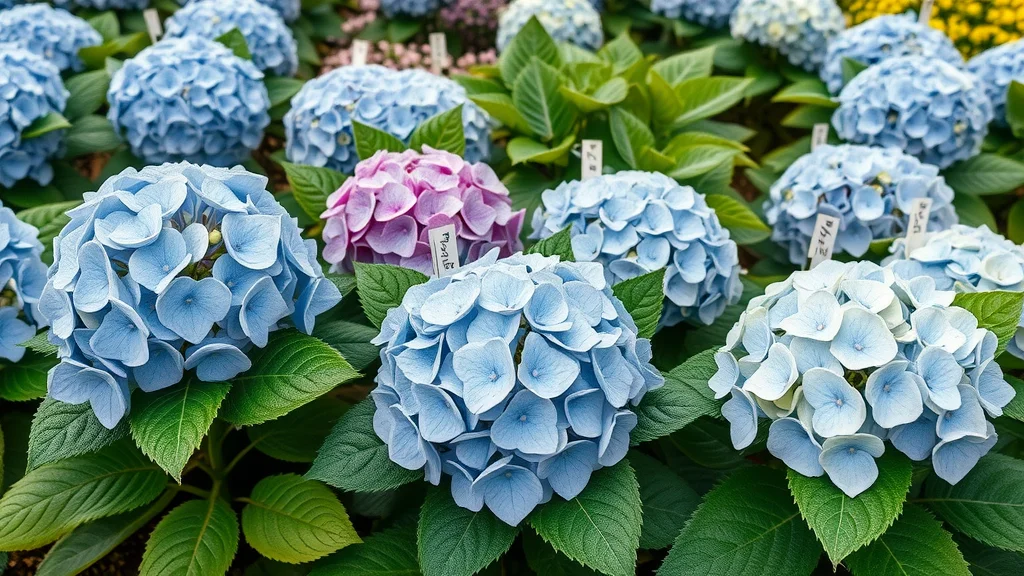
No two types of hydrangea are quite the same, and each requires slightly different winter care strategies. Mophead (Hydrangea macrophylla) and lacecap varieties, famous for their big blue or pink blooms, are particularly susceptible to winter bud loss since they bloom on old wood. Meanwhile, panicle hydrangea (Hydrangea paniculata) and oakleaf hydrangea (Hydrangea quercifolia) are more tolerant of the cold and often bloom on new wood, but can still benefit from protective winter care—especially in colder zones.
For the gardener, identifying your hydrangea type is the starting point. Once you know whether you have a blue hydrangea, a panicle, smooth, or oakleaf variety, you can tailor your winter strategy. Next, let’s break down the specifics for each group to ensure you get protection—without unnecessary steps—for your unique plants.
While winterizing your hydrangeas is essential for healthy blooms, it's also important to consider the overall health of your garden environment. For example, ensuring your home's foundation is protected from excess moisture can help prevent water-related issues that may impact your landscape. Discover practical strategies for waterproofing your concrete foundation to support a thriving garden year-round.
Winter Hydrangea Care Tips for Mophead and Lacecap Varieties
When it comes to mophead (Hydrangea macrophylla) and lacecap hydrangeas, winter care should focus on protecting next year’s flower buds, which form on old wood during late summer or early fall. These buds are especially vulnerable to winter temperatures, frost, and drying winds. To preserve your blue hydrangea and encourage strong blooms, apply a thick winter mulch of shredded leaves, pine needles, or even wood chips around the base of the hydrangea bush after the first frost, but before the ground freezes. A protective wrap of burlap or garden fleece can also shield stems and buds from the worst of the weather, improving your odds for abundant blooms next season.
If you live in a particularly windy or cold climate, use stakes to create a windbreak and gently tie branches together to reduce breakage from heavy snow. Remember: Avoid heavy pruning in late autumn! Cutting back mophead or lacecap hydrangeas too severely can eliminate your spring flower buds and lead to sparse blooming even in late spring. Instead, defer major pruning to after blooming in summer, and only tidy up weak or dead wood in late winter or early spring.
Winter Hydrangea Care Tips for Panicle and Oakleaf Hydrangeas
Panicle hydrangeas (Hydrangea paniculata) and oakleaf hydrangeas (Hydrangea quercifolia) are cold-hardy and bloom on new wood, which means winter damage is less likely to affect next year’s flowers. Still, providing these hydrangea types a modest winter mulch protects the root zone and keeps the soil temperature even when winter months turn frigid. Mulching also prevents the freeze-thaw cycle from damaging roots or causing winter die-back.
Pruning can take place in late winter or early spring for these robust varieties, as they set buds on new growth. Simply remove older stems, dead wood, or spent flower heads, and shape as desired before new shoots appear. Even though panicle and smooth hydrangeas are more forgiving, following these practical winter hydrangea care tips ensures healthy roots and even more abundant, beautiful flowers in next summer’s display.
Proven Winter Hydrangea Care Tips to Ensure Healthy and Beautiful Flowers
- Mulching for winter care to protect roots: Apply a 3–4 inch layer of organic mulch such as shredded leaves, straw, or wood chips around the base. Keep the mulch a few inches away from the stem to prevent rot.
- Staking and wrapping for wind and frost protection: Use stakes and burlap to shield delicate branches and buds, particularly on blue hydrangea and mophead varieties prone to winter damage.
- Pruning best practices and the 1 3 rule for hydrangeas: For plants that bloom on old wood, do not cut them back in late fall. Instead, tidy up dead or weak stems in late winter or early spring, following the 1 3 rule (remove no more than one third of stems at a time).
- Watering schedules in late fall: Give your hydrangeas a deep drink before the ground freezes. Hydrated roots are less likely to suffer winter damage.
- Shielding blue hydrangea buds from harsh temperatures: For blue hydrangea (Hydrangea macrophylla), use garden fleece, burlap, or even a cardboard box over the main stems and buds on the coldest nights, removing on milder days to prevent moisture buildup and disease.
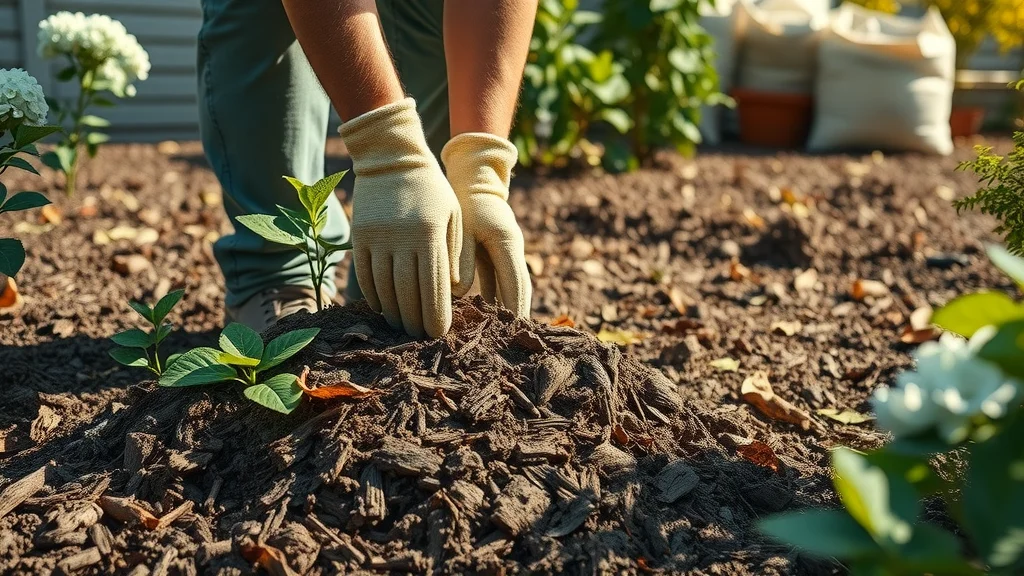
For a visual walkthrough of these key winter hydrangea care tips, watch as our expert demonstrates every step—from mulching and wrapping to shaping for spring—so you can follow along in your own backyard.
People Also Ask: Do Hydrangeas Need to Be Cut Back for Winter?
It’s a frequent question among gardeners: Do hydrangeas need to be cut back for winter? The answer depends heavily on your hydrangea type. For those that bloom on old wood—including mophead hydrangea (Hydrangea macrophylla), blue hydrangea, and some lacecap varieties—avoid cutting them back in the fall. Pruning these in late fall or winter may remove developing flower buds and lead to a disappointing spring. Instead, prune after flowering in summer or only remove dead and damaged stems in late winter or early spring.
For hydrangeas that bloom on new wood—such as panicle hydrangea (Hydrangea paniculata) or smooth hydrangea (Hydrangea arborescens)—late winter or early spring is the perfect time to cut them back and shape them. Just make sure you’re never pruning more than a third of the total plant at once, following what’s commonly known as the 1 3 rule for hydrangeas. This approach protects plant vigor and promotes healthy, beautiful blooms in the growing season to follow.
Guidance on Pruning and the 1 3 Rule for Hydrangeas During Winter
Applying the 1 3 rule means you remove no more than a third of the old stems in any single pruning session, targeting the oldest, least productive wood. For mophead and blue hydrangea that bloom on old wood, restrict pruning to dead or weak stems in late winter or early spring—preserving those vital flower buds for next year’s show. For paniculata or panicle hydrangea and smooth hydrangeas, cut back stems to about 12–18 inches above the ground in late winter or early spring for more vigorous growth and beautiful blooms.
Remember, improper pruning at the wrong time can mean the difference between a lush, explosive flower show and sparse, disappointing blooms. With consistent application of winter hydrangea care tips, you’re setting up your plants for a season filled with color and beauty.
People Also Ask: What to Do with a Hydrangea for Winter?
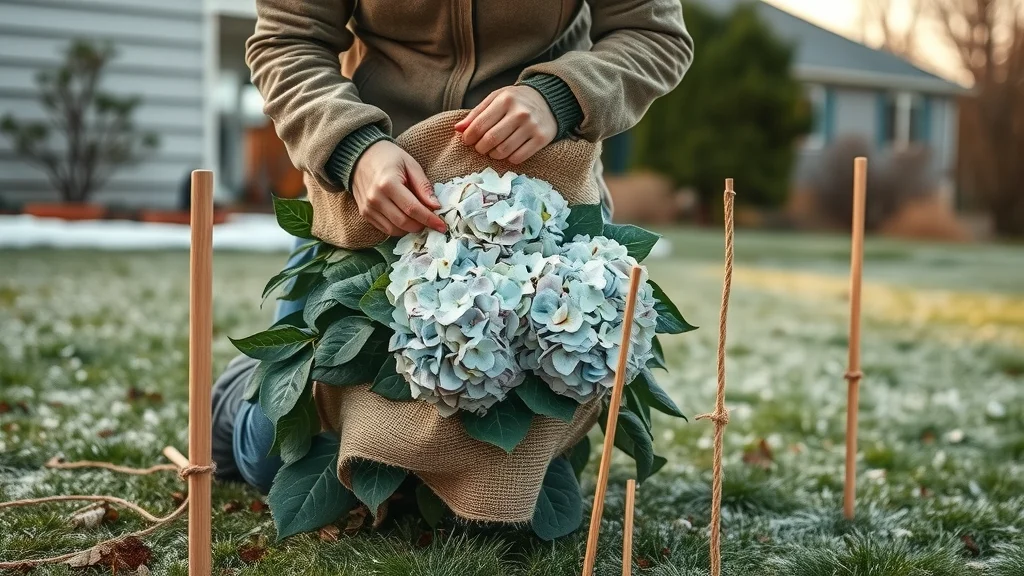
When planning winter care for your hydrangea bush, prioritize insulation and protection. Key strategies include mulching the base of the plant, wrapping stems with burlap (especially for blue hydrangea and mophead types), and, for especially cold climates, providing a windbreak using garden stakes and fabric. These winter hydrangea care tips help prevent both root and bud damage, safeguarding your blooms for the spring. Potted hydrangea or young plants may even be moved to sheltered spots on especially bitter nights.
Don’t overlook the importance of keeping mulch slightly away from main stems to avoid rot and fungal issues. Remove old flower heads only as needed, leaving most to act as natural winter shields for developing buds beneath. If you’ve covered your hydrangea, be sure to remove protection in early spring as soon as threat of deep freezes passes, allowing new shoots to emerge and the plant to come back to life swiftly.
Comprehensive Winter Hydrangea Care Tips Checklist
- Identify your hydrangea type to tailor care (blue hydrangea, mophead, panicle, oakleaf, smooth hydrangea)
- Mulch the root zone after first frost with organic matter (wood chips, shredded bark, straw)
- Wrap delicate stems with burlap or garden fleece for added protection
- Prune only according to type—old wood in summer, new wood in late winter or early spring
- Water deeply in late fall, before the ground freezes
- Create windbreaks for exposed plants and sites
- Monitor for signs of winter damage and remove covers as spring begins
People Also Ask: What is the 1 3 Rule for Hydrangeas?
The 1 3 rule for hydrangeas is a guiding principle for pruning that protects both plant health and next season’s blooms. By removing no more than one third of old stems in a season, you maintain the plant’s structure and energy while eliminating the least productive wood. This reduces shock and makes recovery easier—especially crucial for hydrangeas that bloom on old wood, where over-pruning can eliminate spring flower buds.
This rule applies whether you are tidying up mophead, blue hydrangea, panicle hydrangea, or even oakleaf varieties, but it’s especially important for gardeners new to hydrangea care who want to boost their chances of a beautiful, bloom-filled summer garden.
How the 1 3 Rule Applies to Winter Hydrangea Care Tips
During winter, apply the 1 3 rule as you remove dead, diseased, or damaged stems—keeping at least two-thirds of healthy wood intact. For hydrangea paniculata or panicle and smooth hydrangeas (Hydrangea arborescens), late winter or early spring is the ideal time for a more severe cutback, stimulating new wood growth and big floral displays. For all types, refrain from a hard prune before winter sets in, as this invites winter damage and loss of flower buds in varieties that bloom on old wood.
Coupled with smart mulching and weather protection, following the 1 3 rule supports overall plant vigor and maximizes your odds of seeing those show-stopping beautiful flowers when hydrangeas bloom in late spring or early summer.
People Also Ask: How Do I Winterize My Hydrangea Plant?
Winterizing hydrangeas means readying them for the stress of cold weather, protecting roots, stems, and the invaluable flower buds. Start by identifying your plant type—whether it’s blue hydrangea, panicle hydrangea, oakleaf, or mophead—and use the appropriate winter hydrangea care tips. These steps involve mulching, wrapping stems, setting up windbreaks, watering late in the fall, and pruning only when it benefits next season’s blooming.
Potted hydrangea will need to come inside or be clustered in sheltered areas, while in-ground bushes benefit most from heavy mulching and wind protection. Always adapt your strategy to your local climate and observe closely as the season changes, adjusting covers and supports as needed for the healthiest start next year.
Winterizing Steps: Actionable Winter Hydrangea Care Tips
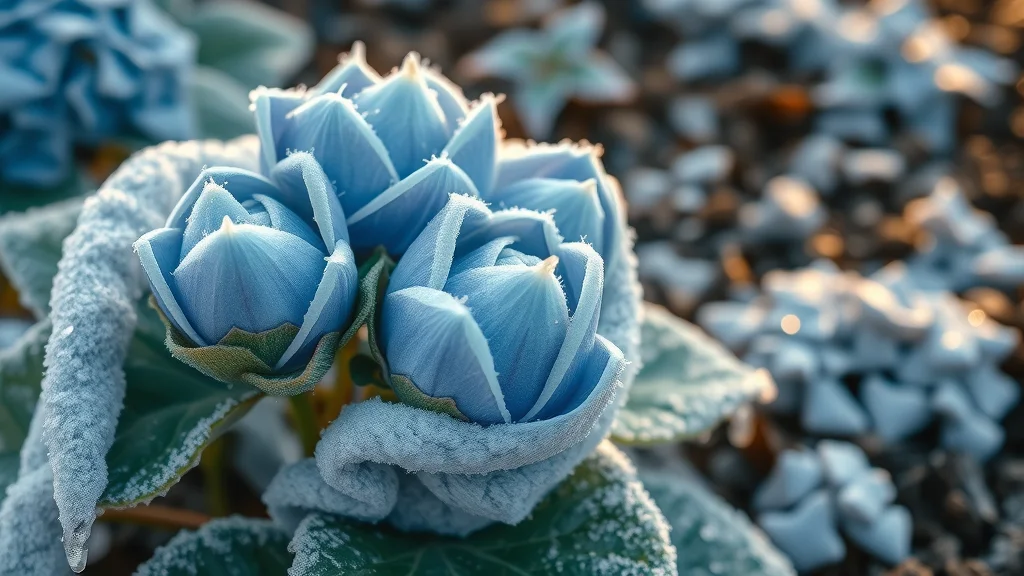
- Mulch: Lay mulch like wood chips or straw around the root area after first frost, but before the ground freezes to protect against deep cold and root damage.
- Wrap/Stakes: For blue hydrangea or mopheads, gently tie branches and wrap with burlap or fleece; stake taller varieties to avoid snow breakage.
- Prune Carefully: Only remove dead stems in winter—avoid cutting healthy stems on old wood bloomers.
- Water: Water hydrangea bushes deeply before ground freezes. Hydrated roots tolerate winter stress better.
- Monitor & Remove Covers: Remove winter protection and old mulch in early spring as new growth appears.
Table: Winter Hydrangea Care Tips for Different Types of Hydrangea
| Hydrangea Type | Blooms On | Pruning Time | Mulch Needed? | Special Protection |
|---|---|---|---|---|
| Blue Hydrangea (Hydrangea macrophylla) | Old wood | After blooming (summer) | Yes, heavy layer | Burlap wrap, windbreak |
| Mophead/Lacecap | Old wood | After blooming (summer) | Yes | Wrap stems if exposed |
| Panicle (Hydrangea paniculata) | New wood | Late winter/early spring | Moderate layer | Stake if heavy snow |
| Oakleaf (Hydrangea quercifolia) | New wood | Late winter/early spring | Moderate layer | Cover if exposed |
| Smooth (Hydrangea arborescens) | New wood | Late winter/early spring | Moderate | Only in severe cold |
Expert Quotes: Insights on Winter Hydrangea Care Tips and Beautiful Flowers
"The secret to blue hydrangea blooms is all in the winter preparation." — Dr. Sarah Jensen, Horticulturist
As Dr. Jensen underlines, winter hydrangea care tips aren’t just about surviving cold, but setting up for unparalleled beauty in the growing season. Protecting flower buds, roots, and stems ensures that when early spring and late spring arrive, your hydrangea bush delivers on color and vigor.
Garden experts consistently remark that consistent winter care—mulching, wrapping, and pruning according to hydrangea type—will yield beautiful flowers and effortless maintenance as the seasons change.
Winter Hydrangea Care Tips FAQs
-
Can I leave hydrangeas uncovered in winter?
In milder climates, established hydrangeas may be left uncovered, particularly panicle and oakleaf types. However, blue hydrangea and mophead hydrangeas benefit significantly from some burlap or fleece protection, especially to prevent winter damage to their delicate flower buds. -
Should I fertilize hydrangeas before or after winter?
Fertilize hydrangeas in early fall, before winter sets in, so roots can absorb nutrients before dormancy. Do not fertilize in late fall or winter, as it can encourage late growth susceptible to frost. -
How can winter hydrangea care tips prevent frost damage on blue hydrangea?
Mulching and wrapping blue hydrangea (Hydrangea macrophylla) with burlap keeps roots and flower buds insulated, helping these varieties avoid frost damage that often results in fewer blooms when hydrangeas flower in late spring or summer. -
When should I remove winter protection from hydrangeas?
Remove burlap, fleece, or heavy mulch in early spring as soon as nighttime temperatures consistently stay above freezing and before new shoots break through. This timing ensures new growth isn’t smothered and helps prevent rot or fungal issues.
Key Takeaways: Achieve Noticeably Beautiful Flowers With Proper Winter Hydrangea Care Tips
- Winter hydrangea care tips are essential for healthy, beautiful blooms.
- Tailor your approach based on hydrangea type—especially for blue hydrangea.
- Follow the 1 3 rule and best pruning practices for winter care.
- Protect buds and roots with effective mulching and covering techniques.
Take the Next Step: Start Applying These Winter Hydrangea Care Tips for a Stunning Summer Display
Apply these winter hydrangea care tips today—your garden will reward you with a spectacular show of color and robust growth when the weather warms. Get started now for a summer brimming with beautiful flowers!
If you’re ready to elevate your gardening expertise even further, consider how the health of your entire outdoor space can impact your plants’ success. From soil quality to moisture management, every detail matters when cultivating a thriving landscape. Explore more advanced home and garden strategies, such as safeguarding your property with effective concrete foundation waterproofing techniques, to ensure your garden remains resilient and vibrant through every season. Taking a holistic approach now will help you enjoy not only stunning hydrangeas, but a flourishing yard for years to come.
To ensure your hydrangeas thrive and produce vibrant blooms next summer, it’s essential to implement proper winter care strategies. The article “How to Protect Hydrangeas in Winter” offers comprehensive guidance on protecting your plants from harsh winter conditions, including tips on pruning, mulching, and wrapping with burlap. (bobvila.com) Additionally, “How to winterize hydrangeas and help them flourish in 2025” provides step-by-step instructions on watering schedules, compost application, and other winterization techniques to safeguard your hydrangeas during the colder months. (tomsguide.com) By following these expert recommendations, you can effectively shield your hydrangeas from winter damage and set the stage for a spectacular floral display in the coming season.


Write A Comment