


Did you know that “Up to 30% of productivity can be lost due to improper winter preparation of raised beds and garden beds,” according to the Horticultural Society? If that statistic surprises you, you’re not alone. Most gardeners overlook winterizing, thinking the cold will merely pause their gardens, but the real threat is what happens beneath the surface. If you want your garden beds (especially raised beds!) to bounce back next season with healthy plants and big harvests, it’s time to rethink your approach to winter. This comprehensive winterize garden beds guide reveals practical, budget-conscious strategies so you don’t sacrifice your garden or your wallet this season.
"Up to 30% of productivity can be lost due to improper winter preparation of raised beds and garden beds." – Horticultural Society
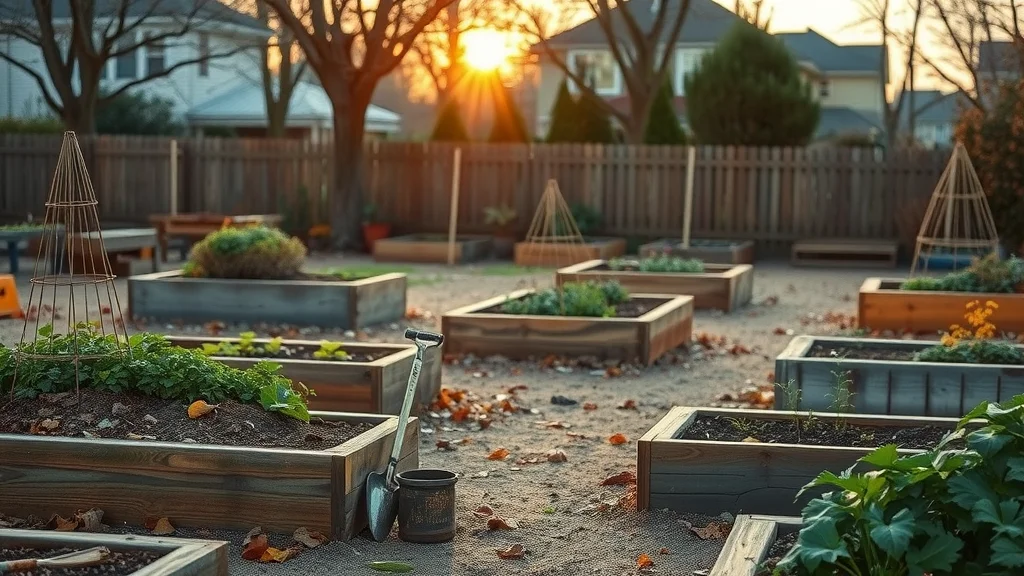
Why Winterize Your Garden Beds? Startling Facts About Winter Damage
Winter is more than a season of dormancy for your garden beds; it’s a critical period that can determine your soil health, spring growth, and disease prevention. Failing to adequately prepare your garden bed or raised bed for winter can lead to erosion, compacted soil, a spike in pest and pathogen populations, and even lost productivity in your next growing season. Studies reveal that garden beds not protected from cold weather, winter wind, and fluctuating temperatures often emerge in spring riddled with dead plant residue, unhealthy soil, and stunted root crops.
Raised beds are particularly vulnerable because they experience more freeze-thaw cycles than in-ground beds, making winterizing your garden a non-negotiable task. Protecting your beds for winter means your compost and mulch don’t just keep the soil warm—they insulate plant roots, encourage beneficial microbe activity, and ensure your raised garden beds and garden beds are primed for the growing season when spring arrives. This guide walks you through each step, showing how a bit of prep now pays back with more vigorous, healthy plants later.
What You’ll Learn in This Winterize Garden Beds Guide
- Budget-friendly strategies to winterize your garden beds
- Specific steps tailored for raised beds and traditional garden beds
- The science behind winter garden preparation
- Essential materials you already have at home
The Step-by-Step Winterize Garden Beds Guide—Preparation Essentials
To get the most out of this winterize garden beds guide, you’ll want to gather your materials and take stock of what you have before winter sets in. Critical supplies for both raised beds and garden beds include: mulch (straw, leaves, or grass clippings), compost, protective covers, and basic gardening tools. Many of the most effective winterizing methods involve items already in your yard or home, meaning the process is not only practical but very affordable.
- Gathering mulch and compost
- Reusing autumn leaves
- Choosing affordable covers for raised bed and garden bed protection

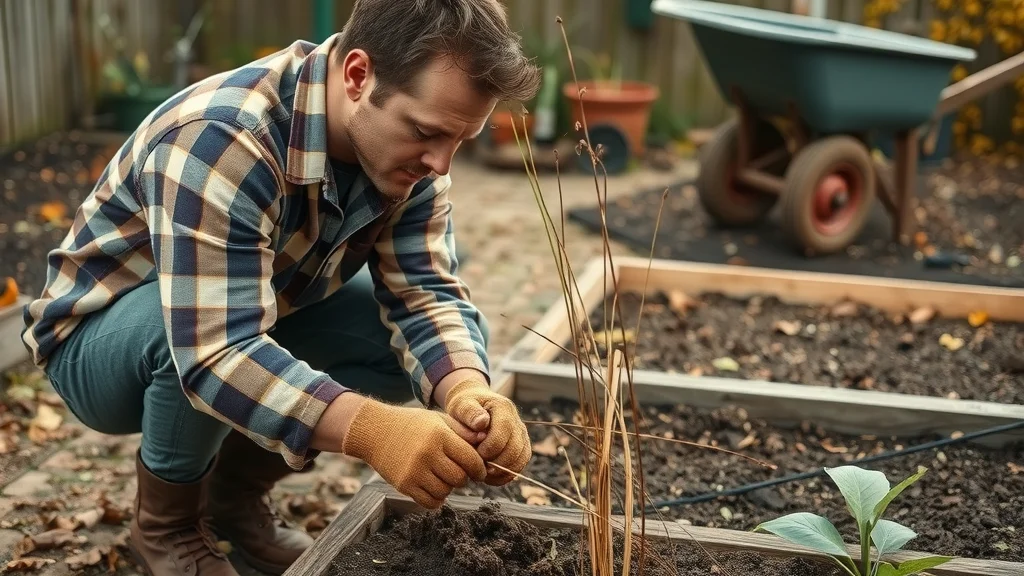
Remove Dead Plants: Essential for Any Raised Beds or Garden Bed
The first key move in your winterize garden beds guide is a thorough removal of dead plant material. This is not just about tidy appearances—it’s a crucial step to prevent disease and pest problems that can overwinter in spent foliage. Leaving old stems and roots in your raised bed or garden bed provides a refuge for harmful pathogens and makes spring cleanup much harder. Whether you’re prepping a raised garden bed or a traditional bed, clearing dead plants allows your organic matter, amendments, and mulch to reach the soil directly.
As you clear out old plant material and prepare to amend your soil, it's also wise to consider how moisture and drainage affect your garden beds throughout the year. For practical tips on protecting your outdoor spaces from excess water and ensuring a healthy foundation for your garden, explore these key strategies for waterproofing your concrete foundation. This can help prevent water-related issues that impact both your garden and your home's structure.
Why It’s Important to Remove Dead Plant Material
- Reduces disease and pest risks
- Preps soil for healthier raised beds next season
"Trimming back plants in raised beds improves winter hardiness and reduces pathogens." – Urban Gardening Expert
Amend Soil in Your Garden Beds With Compost and Organic Matter
Once your beds are cleared, it’s time to boost your soil with organic matter—the secret to vigorous growth next spring. Fall is the ideal time to work in compost, manure, or leaf mold, all of which are budget-friendly and packed with nutrients. Top-dressing your raised beds or garden beds with 2-3 inches of compost not only feeds microbes through the winter, but also improves water retention, aeration, and spring fertility.
Building your soil over the winter is what sets successful gardeners apart. If you’ve got access to finished compost, aged manure, or even a few bags of leaf mold, you’re armed with the best amendments, often for free. The table below compares popular amendments by cost and availability:
Best Compost Practices for Raised Garden & Traditional Beds
| Amendment | Cost | Best For | Availability |
|---|---|---|---|
| Compost | Low | raised bed & garden beds | Home/Store |
| Manure | Low | raised beds | Farm/Garden Center |
| Leaf Mold | Free | garden beds | Yard |

The Role of Cover Crops in the Winterize Garden Beds Guide
Cover crops are one of the most powerful, natural tools in this winterize garden beds guide. By planting quick-growing cover crops such as rye, clover, or vetch in your raised beds or garden beds, you prevent soil erosion, suppress winter weeds, and add organic matter when you turn them under in spring. While cover crops may sound like a big investment, most seed types are affordable and a handful of packets goes a long way in small gardens.
If purchasing seed is out of reach, consider using leftover seeds from past seasons, or partner with gardening neighbors to split bulk packages of rye or clover. Even a small patch of winter rye improves soil texture and nutrient density for the next growing season.
Cover Crop Selection and Affordable Alternatives
- Rye, clover, and vetch for raised beds
- Benefits for soil structure and weed suppression in garden beds
Winter Mulch: What to Use and How to Apply to Raised Beds vs. Garden Bed
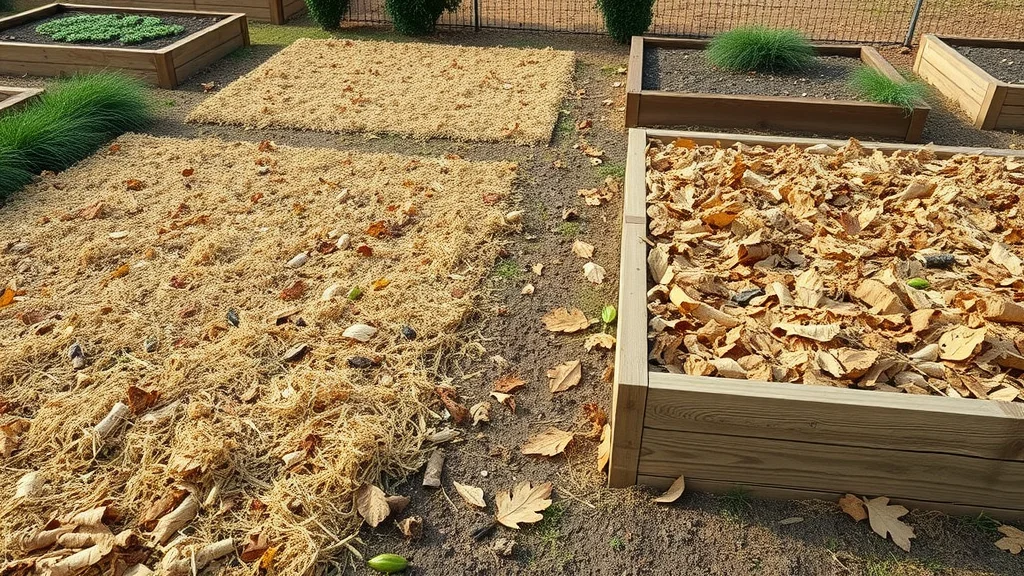
Applying winter mulch is a must for any winterize garden beds guide. Mulch not only insulates the soil in raised beds and garden beds, but also prevents erosion, moderates soil temperature, and protects the root zone from drying winter wind. Straw, shredded leaves, and untreated grass clippings are cost-effective options that most gardeners can source locally—or for free. Spreading a layer of mulch (2-4 inches for beds, 3-6 inches for raised beds) acts as a protective layer to keep beneficial microbes active and your plants’ roots secure.
Remember, the right thickness matters: too much mulch can smother dormant perennials, while too little exposes your soil to freezing and thawing cycles that can ruin a raised garden bed’s structure. Err on the side of generous coverage for exposed or elevated beds, where cold weather hits hardest.
Affordable Winter Mulch Options
- Straw, shredded leaves, and grass clippings for raised garden beds
- Thickness recommendations based on bed type
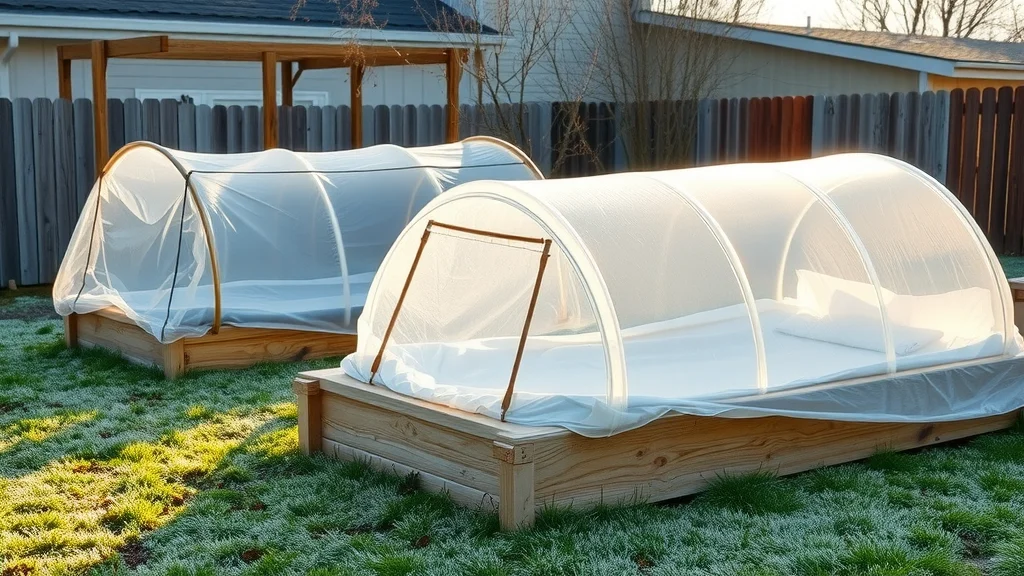
DIY Methods: Covering and Protecting Garden Beds and Raised Beds on a Budget
When temperatures drop, providing a simple cover for your garden beds and raised beds can make the difference between thriving soil and winter damage. Row covers, floating row cover, reused sheets, and makeshift plastic tunnels are staple solutions in any budget-minded winterize garden beds guide. Create frames from scrap wood, old hula hoops, or stakes, then drape with breathable fabric or recycled plastic. Even household materials like clear shower curtains or bubble wrap can shield your soil from severe cold weather.
- Simple frames & recycled sheets for frost protection
- Plastic tunnels vs. row covers
- Reuse household materials
A floating row cover requires minimal investment and is especially useful for raised beds, while a sturdy plastic cold frame offers maximum protection for overwintering crops or early spring planting. Whether you prefer a minimalist or more fortified approach, every additional protective layer turns your raised garden or vegetable garden into a fortress against winter wind and ice.
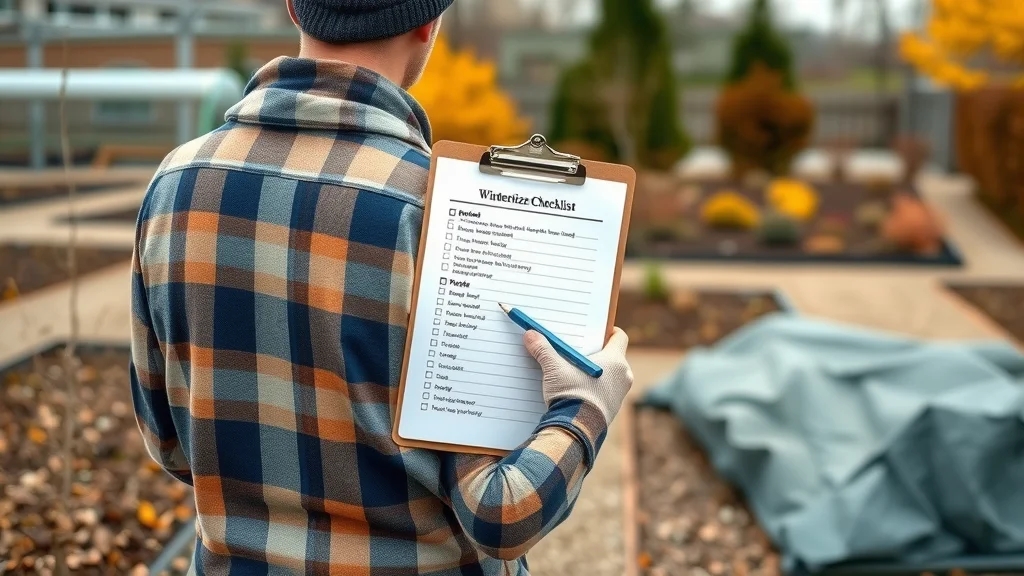
How to Prepare Your Garden for Winter: Final Checklist
Double-check each essential garden bed prep step before winter fully sets in to ensure you’ve done all you can to winterize your garden affordably:
- Remove all dead plants from raised beds
- Spread compost and organic material over garden beds
- Plant cover crops where possible
- Apply thick winter mulch
- Cover and secure beds as needed
People Also Ask: Winterize Garden Beds Guide
How do I winterize my garden beds?
- Remove dead plants, amend soil, plant cover crops, mulch, and cover raised beds if necessary.
Start by eliminating all dead plant material to reduce potential disease and pests. Next, work in compost or leaf mold to recharge soil nutrients during the off-season. Plant cover crops if possible for further soil protection and fertility. Finally, apply a thick layer of mulch (such as shredded leaves or straw) and install row cover or other protection on your garden bed or raised bed to shield against harsh winter weather.
What is the 70/30 rule in gardening?
- The 70/30 rule suggests 70% of your soil should be organic material (like compost) and the remaining 30% as soil minerals for optimal raised garden bed production.
The 70/30 rule is a widely recommended ratio for mixing soil in a new or existing raised bed. By having 70% organic matter (compost, leaf mold, or other well-decomposed amendments) combined with 30% mineral soil (such as topsoil or sandy loam), you increase aeration and drainage while providing sustainable nutrient sources for your vegetable garden. This blend helps your raised beds sustain healthy plants right through spring and summer.

Should you leave leaves in flower beds over winter?
- In most cases, yes. Leaves act as natural winter mulch and enrich raised beds and garden beds.
Leaving a layer of mulch made up of shredded autumn leaves in your flower beds or raised beds can actually protect perennials, insulate roots, and add organic matter as they break down. However, be sure to spread them loosely and check for excessive matting, which can block air and trap moisture. In most scenarios, utilizing autumn leaves is a key theme in this winterize garden beds guide for a budget solution that’s also environmentally friendly.
What to do with garden beds in fall?
- Remove spent crops, add compost, plant cover crops, mulch, and plan for winterizing your raised beds and garden bed areas.
Fall is the best time to prepare your garden for winter. Remove all dead crops, add compost or organic amendments, sow a hardy cover crop, and apply winter mulch to your garden beds and raised beds. Planning for winterizing now means your beds will recover quickly when spring arrives, ensuring a strong start for next season's growing season.
Step-by-step visual demonstration of winterizing raised beds, including plant removal, compost application, mulching, and DIY covering techniques, with close-ups and wide shots in a home garden, clear narration, and visual tips for affordability and efficiency.
Expert Quotes on Saving Money While Winterizing Garden Beds
"With homemade mulch and backyard compost, you can winterize your garden beds for almost nothing." – Sustainability Blogger
FAQs: Winterize Garden Beds Guide
-
Do I need to water my garden beds in winter?
Occasionally, especially if you’re in a dry climate or have newly planted cover crops or perennials. Drought stress can occur in raised beds even during the winter, so monitor moisture after thaw cycles. -
How much mulch is enough for raised beds?
Aim for 3-6 inches of straw, shredded leaves, or grass clippings on raised beds to create an effective protective layer. Too thin and roots risk freezing; too thick and you may promote mold—find a balance for your region’s needs. -
What are the fastest cover crops for winter?
Rye and oats are among the fastest and most affordable cover crops for winterizing a raised bed or garden bed. They germinate quickly in cool weather, suppress winter weeds, and add biomass for next spring.
Key Takeaways from the Winterize Garden Beds Guide
- Affordable garden prep starts with removal, amending, and mulching
- Raised beds and garden beds both benefit from strategic winterizing
- Repurpose materials to cut costs and improve sustainability
Ready to Save Money and Boost Your Soil Health? Start Winterizing Your Garden Beds Today
Begin your backyard transformation now with this winterize garden beds guide, and next season’s garden will thank you.
If you’re inspired to take your garden’s resilience to the next level, consider how your entire outdoor environment works together to protect your investment. Beyond winterizing your beds, understanding the importance of a strong, moisture-resistant foundation can make a significant difference in your landscape’s long-term health. For a deeper dive into safeguarding your home and garden from water damage, discover the essential homeowner strategies for waterproofing your concrete foundation. This broader approach ensures your garden thrives and your home remains secure, season after season.
To enhance your understanding of winterizing garden beds without overspending, consider exploring the following resources:
- “10 Tips for Preparing Your Garden for Winter” (almanac.com)
This article offers practical advice on protecting your garden during the colder months, including steps like harvesting tender vegetables before frost and applying mulch to insulate soil.
- “How to Winterize Your Raised Garden Beds” (primexgardencenter.com)
This guide provides a step-by-step approach to preparing raised garden beds for winter, emphasizing tasks such as cleaning out old plant material, removing garden equipment, and applying mulch to protect the soil.
By consulting these resources, you’ll gain valuable insights into cost-effective methods for winterizing your garden beds, ensuring they remain healthy and productive for the next growing season.



Write A Comment